Mystics of LUX: The 13 Saints of Rosalía
Sacred Flesh and Detachment
The Body as a Relic
In many spiritual traditions, the body is a paradox. It's the source of worldly desire and distraction, yet it's also the only vehicle we have for experiencing the divine. For certain mystics, the body wasn't something to be escaped, but something to be transformed. It could become a living —not a dead saint's bone, but a vibrant, physical testament to a spiritual reality.
This idea turns the profane into the sacred. Instead of denying the flesh, these women used their bodies as instruments. Through acts of extreme discipline, they sought to tune their physical selves to a divine frequency. This wasn't about self-hatred; it was about mastering the physical to manifest the spiritual.
Radical Beauty
Consider Saint Rose of Lima, the first person from the Americas to be canonized. Born into a wealthy family in Peru, her beauty was legendary. But Rose saw her appearance as a spiritual liability, a distraction from God. So she took radical steps.
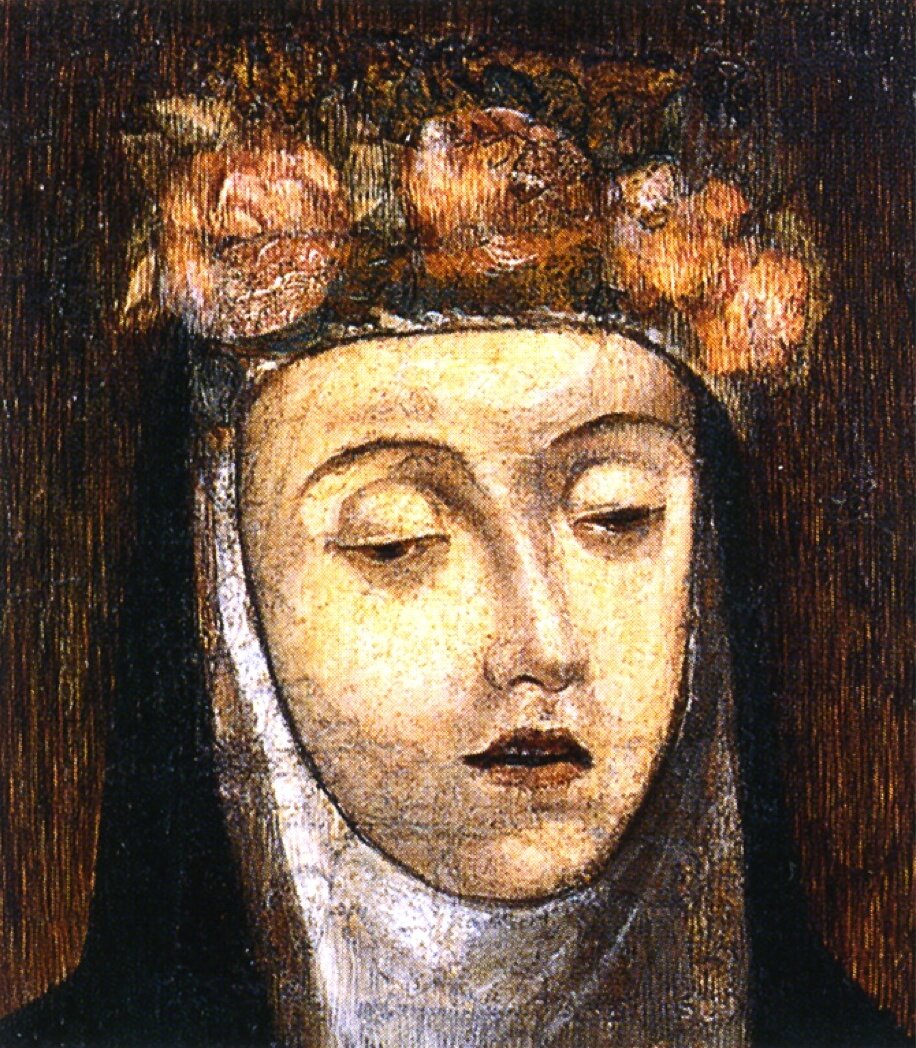
She rubbed her face with pepper to produce blisters, wore a heavy silver crown with inward-facing spikes, and cut her hair short. These weren't acts of self-mutilation for their own sake. They were a form of despojarse—a deliberate stripping away of vanity and worldly attachment. By renouncing her physical beauty, she aimed to make her soul more beautiful to God. She treated her body not as an object of admiration, but as a site of devotion, a canvas for demonstrating her spiritual commitment.
The Interior Castle
A century earlier in Spain, Saint Teresa of Ávila offered a different map to the divine, one that journeyed inward. A reformer and mystic, Teresa described the soul as an 'interior castle' with many mansions, or rooms. The spiritual journey was a process of moving from the outer rooms of superficial prayer and attachment toward the central chamber where God resides.
Teresa’s approach to suffering and healing emphasizes the gradual, stage-like process of transformation, the importance of humble self-knowledge, surrender to a loving presence, and the capacity for greater empathy and service as fruits of spiritual awakening.
Reaching this inner sanctum produced a state she described as a kind of divine intoxication—a spiritual ecstasy so overwhelming that the body could barely contain it. This wasn't a quiet, meditative state. It was a rapturous union that could manifest physically through levitation, visions, and a feeling of being pierced by divine love. For Teresa, the body wasn't an obstacle to this state; it was the theater where this divine drama played out. The ultimate goal was to become so filled with this spiritual 'wine' that the self dissolved into God.
Stripping Down to Spirit
Both Rose's physical penance and Teresa's interior journey are examples of voluntary poverty. This doesn't just mean giving up money. It means consciously stripping oneself of anything that ties the soul to the material world: vanity, social status, ego, and even intellectual pride. This is the act of .
This practice creates a vacuum. By emptying the self of the worldly, a space is cleared for the divine to rush in. The body, stripped of its profane attachments, becomes a sacred vessel. It's a powerful tool for shifting consciousness. Rosalía taps into this idea in her music. A song like 'Reliquia' evokes the body as a sacred object, while 'Sauvignon Blanc' hints at the kind of divine intoxication Teresa described—a spiritual high that transcends ordinary experience.
The mystic's paradox is that by emptying the body of the self, they make it full of God.
The tension between the sacred and the profane body is central to this path. For these mystics, the flesh was not an enemy to be destroyed, but a territory to be conquered and consecrated. Through radical detachment, they transformed their physical existence into a direct expression of spiritual reality.
According to the text, what is the central paradox of the body in the spiritual traditions discussed?
What was the primary goal of Saint Rose of Lima's acts of physical self-discipline, such as rubbing her face with pepper?