Mysteries and History of the Ark of the Covenant
Ancient Near Eastern Context
The World of the Ark
To understand the Ark of the Covenant, we need to look beyond the biblical narrative and into the world it came from. The Ancient Near East was a place filled with gods, temples, and sacred objects. For the cultures surrounding ancient Israel, the presence of a deity was not always fixed to a single temple. Gods could travel.
This idea of a mobile divine presence was common. Deities were paraded through cities during festivals or even accompanied armies into battle. To do this, they needed special containers or vehicles. The Ark of the Covenant, a portable wooden chest, fits perfectly into this cultural pattern.
Divine Travel
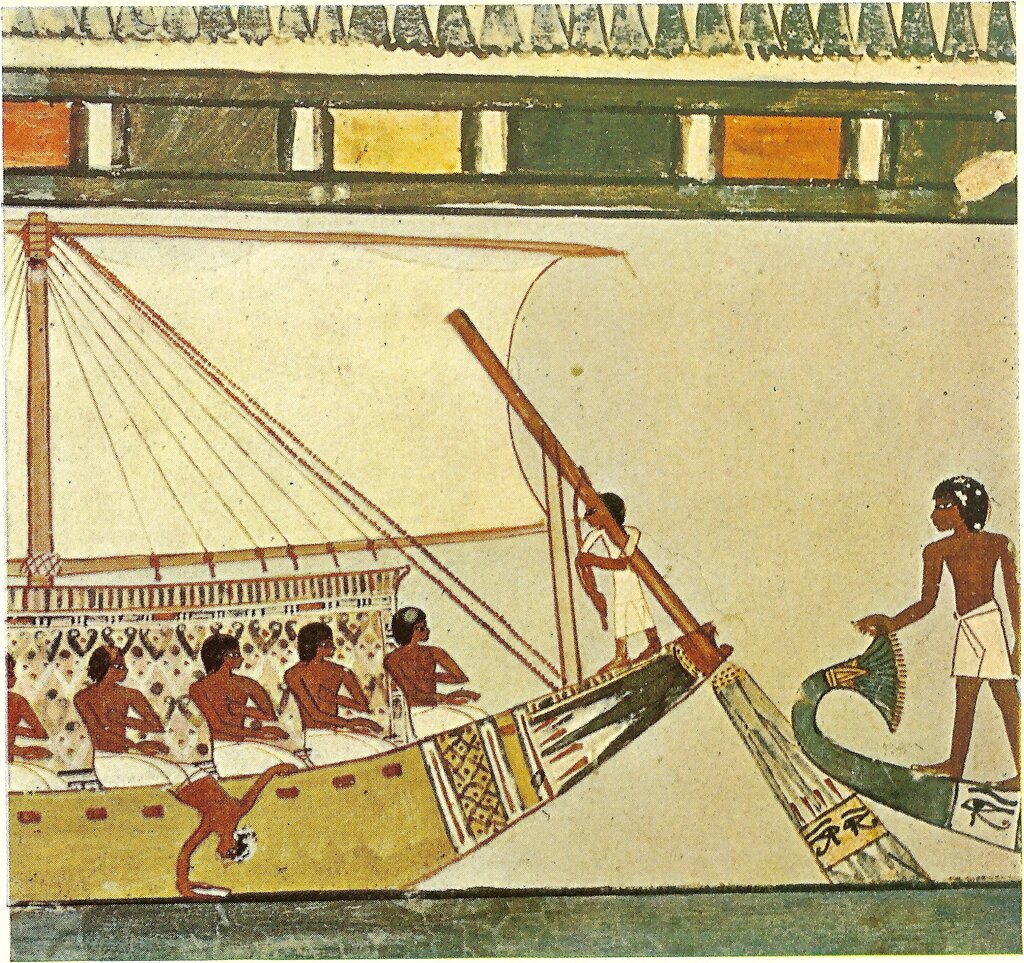
In Egypt, gods were often transported in ornate, boat-shaped shrines called barques. During religious festivals, priests would carry a statue of a god, concealed within its barque, on long poles through the streets. This allowed the public to feel the presence of the deity moving among them. The design of the Ark, carried on poles by the Levites, is a striking parallel to this Egyptian practice.
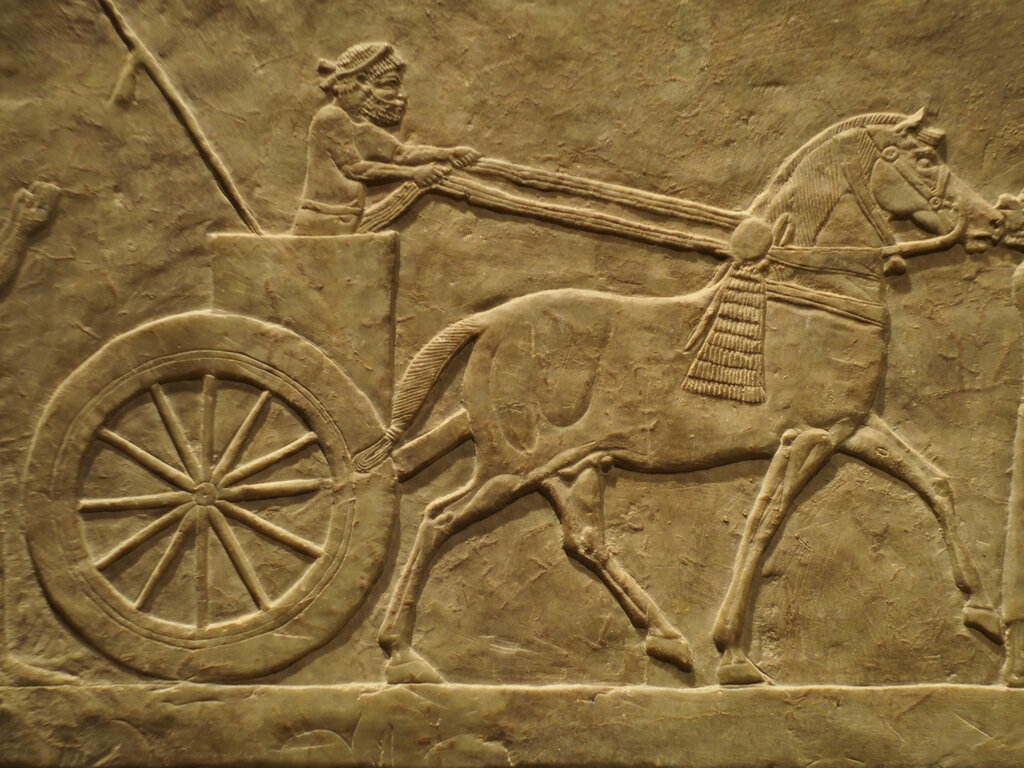
In Mesopotamia, the idea was similar. Divine statues were sometimes placed on throne-chariots and wheeled in processions. These cultures also had the concept of the "tablets of destiny," clay tablets that recorded the decisions of the gods and the fate of the world. Just as these tablets represented divine authority, the stone tablets within the Ark represented the terms of God's covenant with Israel.
An Empty Throne
This is where Israelite practice takes a radical turn. While their neighbours carried physical statues of their gods, the Ark contained no idol. This concept is known as aniconism, the absence of material representations of the divine.
The Ark was not a container for God, but a sign of His presence. Specifically, the lid of the Ark, known as the Mercy Seat, was understood as the footstool of God's invisible throne. The space between the two cherubim on the lid was empty, signifying a deity who could not be depicted by human hands. God was invisibly enthroned above the Ark, not contained within it.
This wasn't just a theological detail; it was a powerful statement. By creating a shrine that pointed to an invisible, un-drawable God, the Israelites set themselves apart from their neighbours. The Ark was a familiar object type in their world, but they used it to express a revolutionary idea about the nature of the divine.
According to the provided text, what shared cultural concept from the Ancient Near East does the Ark of the Covenant reflect?
What was the most significant and revolutionary difference between the Ark of the Covenant and similar sacred containers in Egypt or Mesopotamia?