MySQL Database Essentials
Introduction to MySQL
What is MySQL?
Think of a massive library, filled with millions of meticulously organized index cards. Each card holds a specific piece of information, and they're all interconnected in a logical way. MySQL is like the ultimate librarian for this digital library. It's a system for storing, organizing, and retrieving vast amounts of data efficiently.
Technically, MySQL is an open-source relational database management system, or RDBMS. Let's break that down:
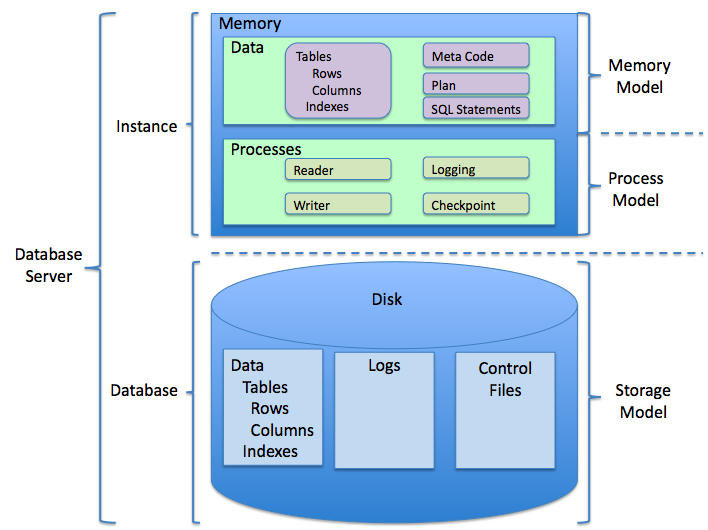
- Relational Database: This means data is stored in tables, which are like spreadsheets. The tables can be linked, or related, to one another. For example, one table might list customers, and another might list their orders. A relationship would link a customer to all the orders they've placed.
- Management System: This is the software that lets you interact with the database. It provides the tools to add, change, delete, and search for data without needing to know the complex details of how it's stored on a computer's disk.
- Open-Source: MySQL's source code is freely available. This means anyone can use, modify, and distribute the software for free. This has led to a huge community of developers who use and improve it.
Key Features
MySQL didn't become one of the world's most popular databases by accident. It has several features that make it a go-to choice for developers and businesses.
Performance and Scalability: MySQL is known for being fast and reliable. It can handle everything from a small personal project to the massive databases of large companies. As a business grows and its data needs increase, MySQL can grow with it, a concept known as scalability.
Platform Independence: It doesn't matter if you're using Windows, macOS, or Linux. MySQL runs on all major operating systems, making it incredibly flexible for different development environments.
Strong Security: Data is valuable, and protecting it is crucial. MySQL includes robust security features, like password protection and user privilege systems, to ensure that only authorized users can access or modify sensitive information.
How It Compares
MySQL is just one of many RDBMS options. Two other major players are PostgreSQL and Microsoft SQL Server. Each has its own strengths, and the best choice often depends on the specific needs of a project.
| Feature | MySQL | PostgreSQL | Microsoft SQL Server |
|---|---|---|---|
| Cost | Free (Community Edition) | Free and open-source | Free (Express Edition) & Paid |
| Model | Open-source | Open-source | Proprietary |
| Best For | Web apps, high-speed tasks | Complex queries, data integrity | Enterprise Windows environments |
| Key Strength | Speed and reliability | Advanced features, extensibility | Deep integration with Microsoft products |
While PostgreSQL is often favored for complex data analysis and enforcing strict data rules, and SQL Server is a natural fit for businesses heavily invested in the Microsoft ecosystem, MySQL shines in its balance of speed, ease of use, and reliability, especially for web-based applications.
Common Use Cases
You've probably used an application powered by MySQL today without even realizing it. It's the database backbone for a huge portion of the internet.
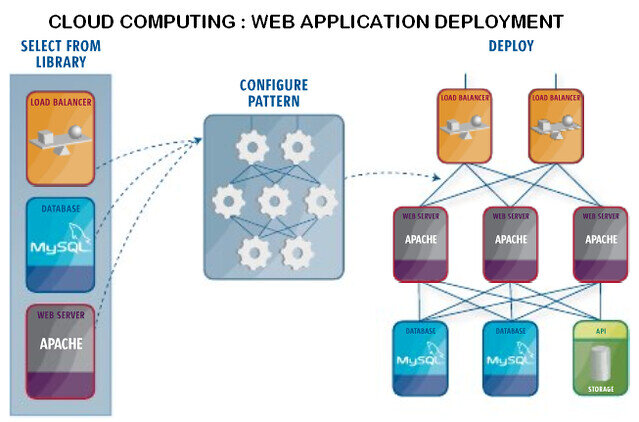
One of its most famous roles is as the 'M' in the LAMP stack, a popular open-source combination for building websites and web apps. The stack consists of:
- Linux (Operating System)
- Apache (Web Server)
- MySQL (Database)
- PHP, Perl, or Python (Programming Language)
Major platforms like Facebook, Twitter, YouTube, and WordPress all started with or still use MySQL to manage their enormous amounts of user data, content, and interactions. It's also widely used in e-commerce platforms to manage products, customers, and orders, and in data warehousing to store and analyze business information.
Now that you know what MySQL is and where it's used, let's test your understanding.
What does the acronym RDBMS stand for?
The 'M' in the popular LAMP web development stack stands for MySQL.
In short, MySQL is a powerful, flexible, and free tool for managing structured data. Its combination of speed, reliability, and strong community support has made it a foundational technology of the modern web.