Music Video Production and Directing
Introduction to Music Video Production
More Than Just a Song
A music video does something a song can't do on its own: it gives sound a face. By blending music with moving images, it creates a whole new experience. This combination can transform a simple tune into a story, a statement, or a visual spectacle that sticks with you long after the music stops.
A Quick History
Long before YouTube or even MTV, musicians were experimenting with visuals. In the 1940s, short musical films called "soundies" were played on jukebox-like machines. Fast forward to the 1960s, when bands like The Beatles created promotional clips for their songs to send to TV shows, avoiding the need to travel for every performance.
A major turning point came in 1975 with Queen's "Bohemian Rhapsody." Its video used clever editing and visual effects that were groundbreaking for the time. It proved that a well-produced video could make a hit song a cultural event.
The real game-changer was the launch of MTV in 1981. Suddenly, there was a 24/7 channel dedicated to playing music videos. This shifted the entire industry. A strong visual presence became just as important as the music itself. Artists like Michael Jackson embraced this, creating mini-movies for songs like "Thriller." His videos weren't just promotional clips; they were cinematic masterpieces that set a new standard for what a music video could be.
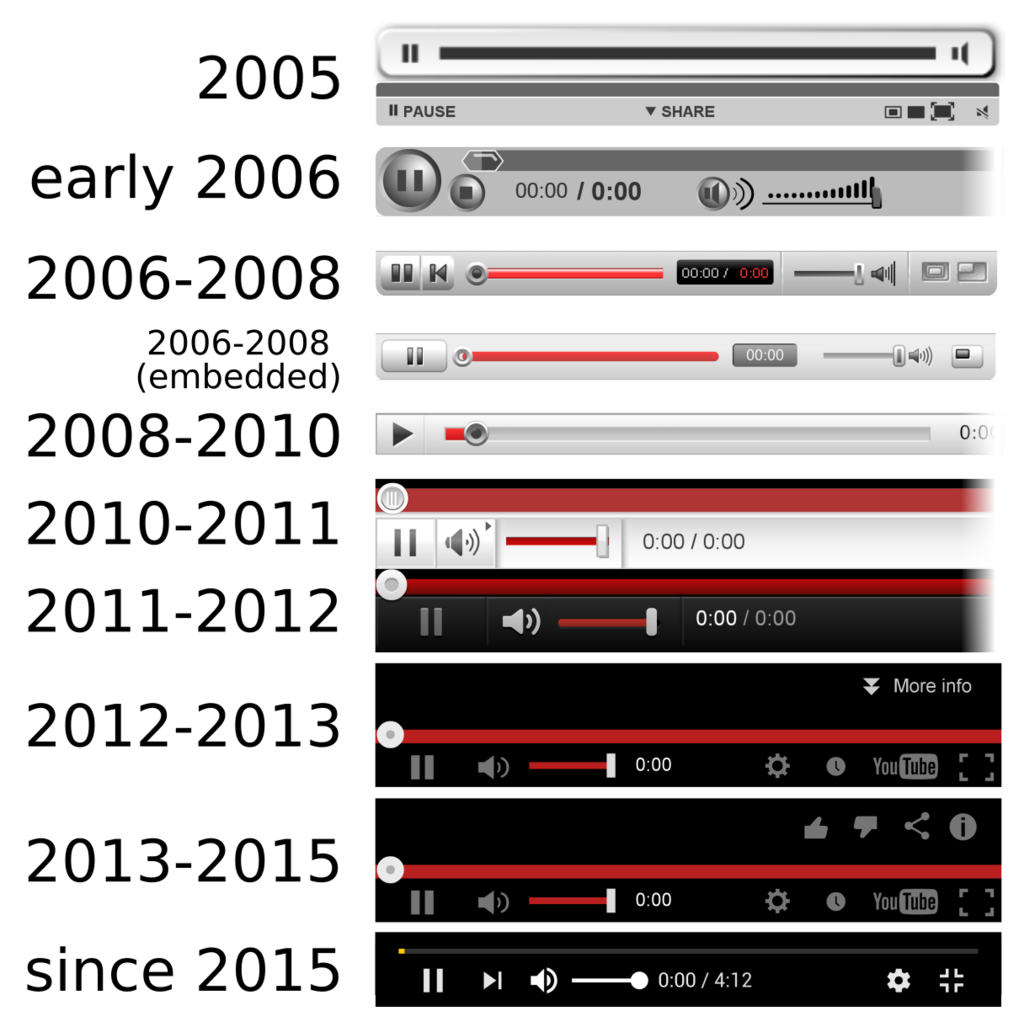
Then came the internet. The rise of YouTube in the mid-2000s completely democratized the music video. Artists no longer needed a massive budget or a record label to get their videos seen by millions. This digital revolution opened the door for endless creativity, allowing independent artists to build a following with nothing more than a camera and a good idea.
Why Videos Matter
In today's crowded music scene, a video is a crucial marketing tool. It helps an artist build a distinct brand and image, making them more memorable. A unique visual style can set an artist apart from everyone else.
Videos also add new layers of meaning to a song. They can tell a story that expands on the lyrics, establish a mood, or simply showcase the artist's personality. This visual storytelling forges a deeper connection with listeners, turning casual fans into dedicated followers.
A music video isn't just art; it's a powerful commercial for the song, the artist, and their entire brand.
Common Styles
While there are no hard rules, most music videos fall into a few general categories. Understanding these styles can help you appreciate the creative choices behind your favorite videos.
| Style | Description | Example |
|---|---|---|
| Performance | Focuses on the artist or band performing the song. It can be a live concert, a studio session, or a staged performance. | A band playing in an empty warehouse. |
| Narrative | Tells a story, much like a short film. The artist may or may not be a character in the story. | A video showing a couple's relationship from start to finish. |
| Conceptual | Based on a single idea or visual theme. These videos are often abstract, symbolic, and artistically driven. | An artist singing in a room where the walls slowly change color. |
| Lyric | The lyrics of the song are displayed on screen in a creative and animated way. | Animated text that moves and changes in time with the music. |
Many videos blend these styles. A performance video might cut away to short narrative scenes, or a conceptual video might incorporate the song's lyrics into its visuals. The possibilities are endless, and that's what makes the music video such a dynamic art form.
Ready to test your knowledge?
What were the short musical films from the 1940s, played on jukebox-like machines, called?
Which artist's cinematic 'mini-movies' in the 1980s, such as "Thriller," set a new standard for music video production?
From simple promotional clips to cinematic short films, music videos have become an essential part of how we experience music. They give songs a visual identity and connect artists with audiences in a way that sound alone never could.