Music Single Launchpad
Understanding Music Production
The Path of a Song
Creating a song is more than just hitting record. It's a journey through several distinct stages, each building on the last. Think of it like building a house: you need a blueprint, a foundation, walls, and then all the finishing touches. Skipping a step or doing it poorly can compromise the whole structure.
Let's walk through what happens at each step.
1. Songwriting & Composition: This is where the magic begins. It’s the raw creation of melody, harmony, rhythm, and lyrics. It might start with a guitar riff, a piano chord progression, or a lyrical hook.
2. Arrangement: Once you have a song, you need to arrange it. This involves deciding the song's structure (verse, chorus, bridge) and what instruments will play which parts. When does the bass come in? Should there be a guitar solo? Arrangement gives the song its shape and flow.
3. Recording: Also known as tracking, this is the process of capturing the performances. A vocalist sings into a microphone, a drummer plays the kit, a synth part is programmed. Each instrument is typically recorded onto its own track.
4. Editing: No performance is perfect. Editing is the cleanup phase. Here, you might tighten up the timing of a drum track, tune a slightly flat vocal note, or remove the sound of a musician breathing between phrases. The goal is to make everything sound tight and professional without losing the human feel.
5. Mixing: With all the parts recorded and edited, it's time to mix. A mixing engineer acts like a chef, blending all the individual tracks (the ingredients) into a cohesive final dish. They adjust volume levels, use equalization (EQ) to shape the tone of each instrument, and add effects like reverb or delay to create a sense of space.
6. Mastering: This is the final step, the quality control before a song is released. A mastering engineer takes the final mix and applies subtle adjustments to ensure it sounds good on any system, from earbuds to a car stereo. They make it loud, clear, and competitive with other professional tracks.
Each stage is a creative opportunity. Mastering the fundamentals of each step gives you control over the final sound of your music.
The Production Team
While it's possible for one person to wear all the hats, especially in a home studio, professional productions often involve a team of specialists. Each person brings their expertise to a specific part of the process, ensuring the highest quality at every stage.
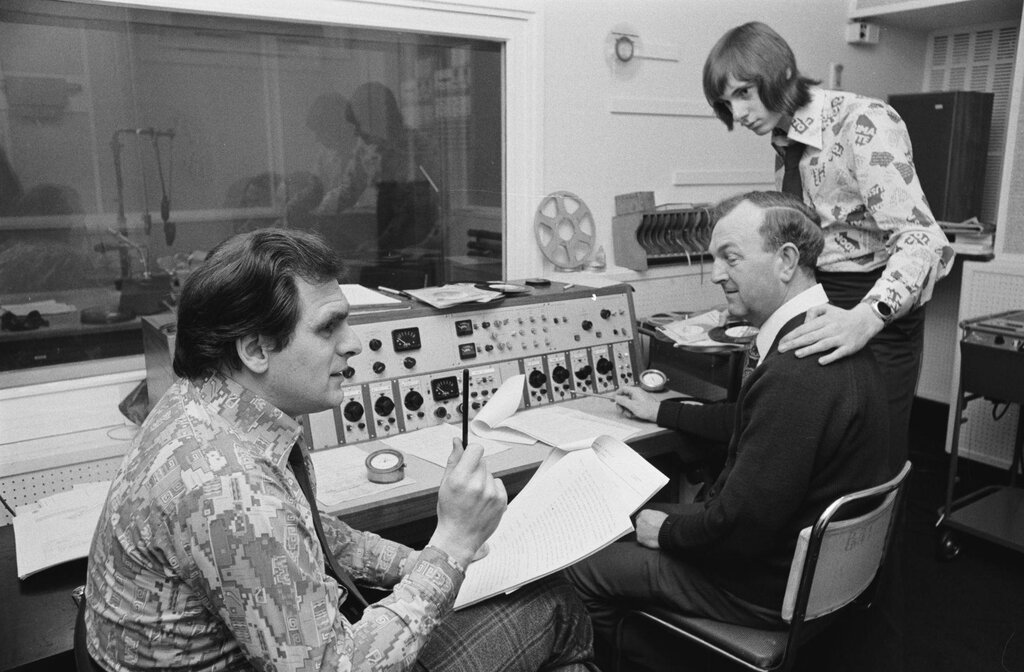
Here are some of the key players you'll find in a studio environment.
| Role | What They Do |
|---|---|
| Artist/Songwriter | The creative force; writes the music and lyrics. |
| Producer | The project's director; guides the artistic vision and oversees the entire process. |
| Arranger | Structures the song and determines instrumentation. |
| Recording Engineer | Operates the technical equipment to capture high-quality audio. |
| Mixing Engineer | Blends the individual recorded tracks into a cohesive mix. |
| Mastering Engineer | Applies the final polish to the mix for commercial release. |
The roles can often blur. A producer might also be the songwriter or the mixing engineer. In the world of electronic music, the artist is frequently the producer, songwriter, and engineer all in one. The key is that every function gets performed, whether by a team or a single individual.
Tools of the Trade
To bring a song to life, you need the right tools. Modern music production combines physical hardware with powerful software. At the heart of it all is the Digital Audio Workstation, or DAW.
DAW
noun
A Digital Audio Workstation is a software application used for recording, editing, and producing audio files. It's the digital equivalent of a recording studio.
The DAW is your command center. It’s where you arrange your song, record audio, edit clips, and apply effects. Popular examples include Ableton Live, Logic Pro X, FL Studio, and Pro Tools. While they all do the same core job, they have different workflows that appeal to different types of creators.
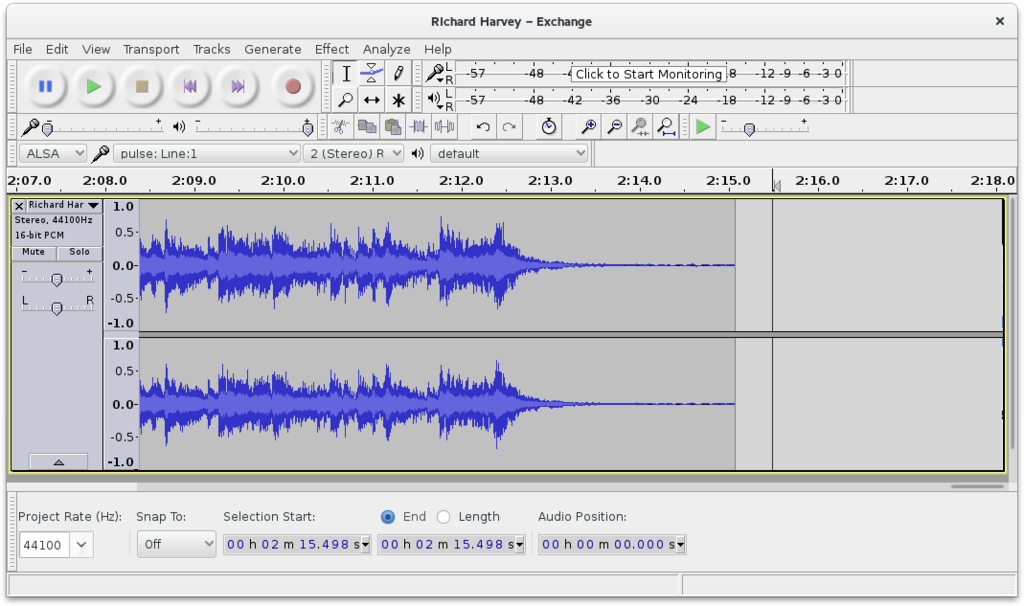
Beyond the DAW, here are a few other essential pieces of gear:
- Audio Interface: This is a device that connects your microphones and instruments to your computer. It converts the analog signal from a mic into a digital signal that your DAW can understand.
- Microphone: Essential for capturing vocals or acoustic instruments. Different types of microphones (like condenser or dynamic) are suited for different sound sources.
- MIDI Controller: A keyboard or pad controller that lets you play virtual instruments inside your DAW. It doesn't make sound on its own; it sends MIDI (Musical Instrument Digital Interface) data to the computer to trigger sounds.
- Studio Monitors & Headphones: These are specialized speakers and headphones designed to provide an accurate, flat sound representation. Unlike consumer speakers that might boost the bass, studio monitors help you hear your mix honestly so you can make accurate decisions.
Invest in professional recording equipment, editing software, and sound engineering to ensure clear audio and polished production values.
With these concepts in mind, you're ready to start thinking about the actual production of your track.
Time to check your understanding of the music production process.
What is the final stage of music production, focused on quality control and preparing the song for various playback systems?
A producer notices a drum performance is slightly off-beat. The process of tightening up the timing of this performance without re-recording it is called:
Understanding these foundational pillars—the stages, roles, and tools—is the first step toward creating professional, polished music that connects with listeners.