Music Single Launch Mastery
Music Production Basics
The Recording Process
Recording is the first step in bringing a song to life. At its core, it's simply the process of capturing sound and converting it into a digital format that your computer can understand and manipulate. Think of it as taking a sonic photograph of a performance.
The goal is to capture a clean, strong, and noise-free signal for every instrument and vocal part. A clean recording is much easier to work with later on. Before you hit record, make sure your environment is as quiet as possible. Turn off fans, close windows, and silence your phone. Even small background noises can become distracting in the final track.
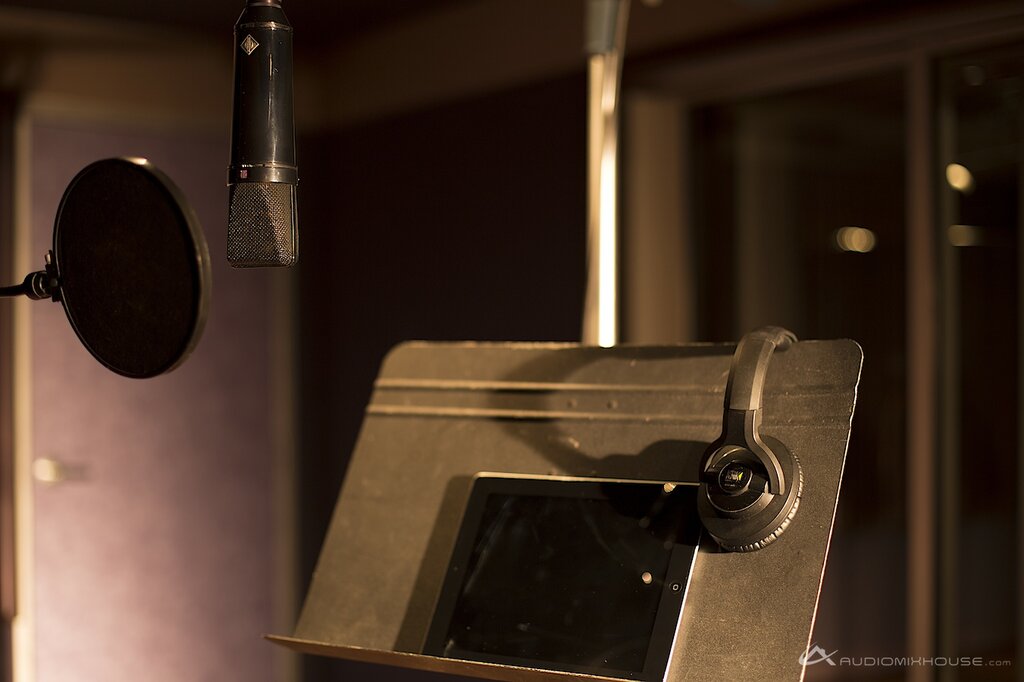
When you record, each sound source, whether it's a voice, a guitar, or a drum, gets its own track in your music software. This separation is key, as it allows you to adjust each element individually during the mixing stage.
Your main objective during recording is to capture the best possible performance, technically and emotionally. A great recording starts with a great take.
Your First Studio Setup
You don't need a million-dollar studio to produce professional-sounding music. Modern technology has made it possible to create a powerful home studio with just a few key pieces of equipment. Let's break down the essentials.
Your setup will revolve around a computer and specialized software called a Digital Audio Workstation, or DAW. The DAW is where you'll record, edit, and mix your music. Popular options for beginners include GarageBand (free for Apple users), Audacity, Reaper, and more advanced programs like Ableton Live, Logic Pro X, and FL Studio.
To get sound into your computer, you'll need:
- An Audio Interface: This box acts as the bridge between your microphones or instruments and your computer. It converts the analog signal from your gear into a digital signal for your DAW.
- A Microphone: A large-diaphragm condenser microphone is a versatile choice for a first mic. It's great for capturing the detail in vocals and acoustic instruments.
- Headphones: You'll need a good pair of closed-back headphones for monitoring your sound as you record, without the sound bleeding into the microphone.
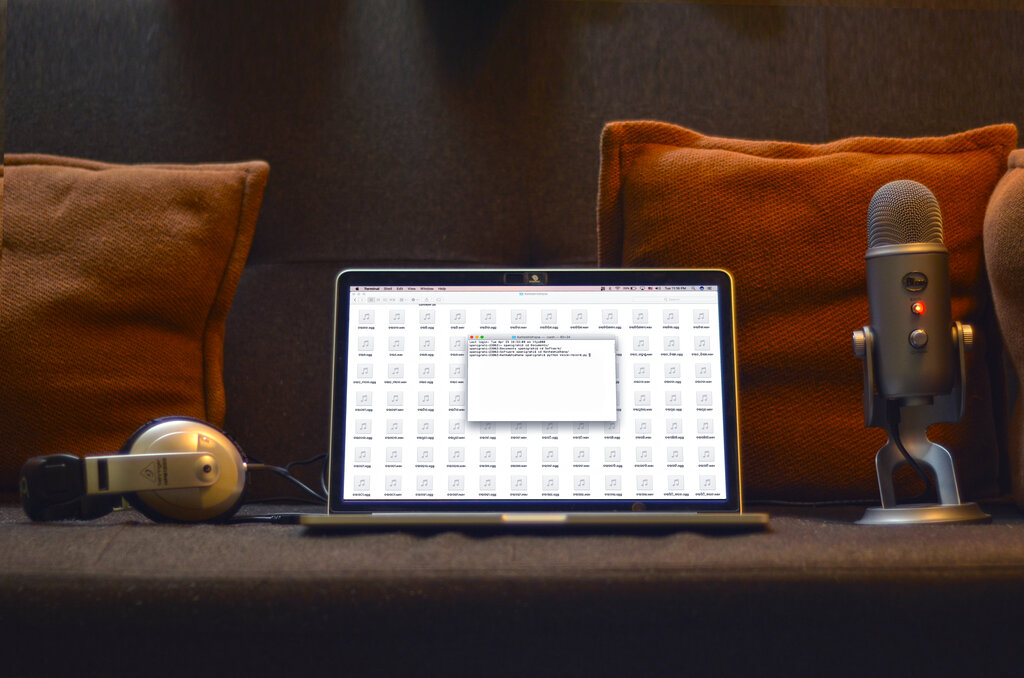
Focus on composition: Good composition matters more than expensive equipment
An Introduction to Mixing
Once all your tracks are recorded, it's time to mix. Mixing is the art of blending all the individual tracks together into a single, cohesive piece of music. The goal is to make sure every instrument has its own space and can be heard clearly, creating a balanced and emotionally impactful listening experience. It's like a chef balancing the flavors of different ingredients to create a perfect dish.
You'll perform the mix inside your DAW using a few fundamental tools:
| Tool | Purpose |
|---|---|
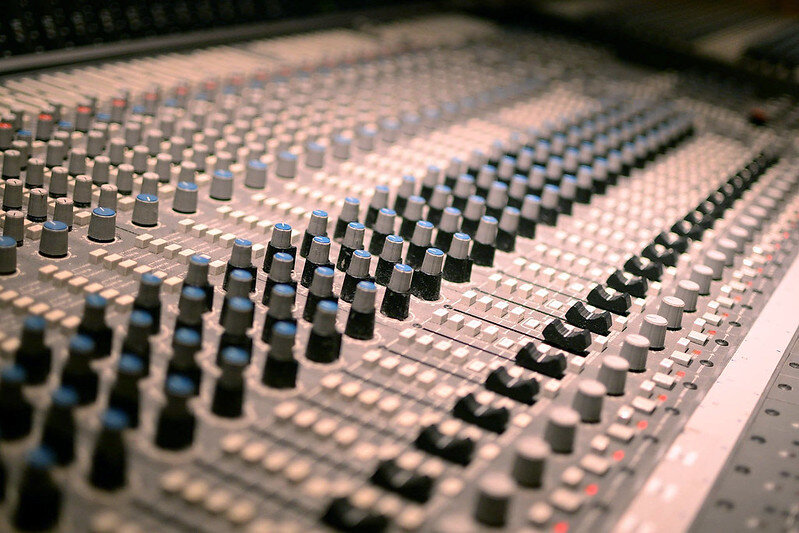
| Volume Faders | The most basic tool. Used to set the loudness of each track relative to the others. |
| Pan Knobs | Places sounds in the stereo field, from left to right. This creates a sense of width. |
| Equalizer (EQ) | Shapes the tone of a sound by boosting or cutting specific frequencies. Use it to remove unwanted sounds or help an instrument stand out. |
| Compression | Evens out the volume of a track, making the quiet parts louder and the loud parts quieter. This adds punch and control. |
Start by setting the volume levels of all your tracks to create a basic balance. From there, use panning to give each instrument its own position. Then, use EQ and compression subtly to solve problems and enhance what's already there. A good mix should sound clear and full on any sound system.
The Final Polish: Mastering
Mastering is the final step of the production process. It's the last chance to enhance the overall sound of your song before it's released to the world. Where mixing deals with balancing the individual tracks, mastering focuses on polishing the final stereo mix.
The primary goals of mastering are to make your track sound good on a wide variety of playback systems—from earbuds and laptop speakers to car stereos and club systems—and to ensure its volume is competitive with other commercial releases. Basic mastering involves applying subtle processing to the entire mix, often using tools like EQ, compression, and a limiter.
A limiter is a special type of compressor that prevents the audio signal from ever going above a set level, allowing you to increase the overall loudness without distortion.
While professional mastering is a highly specialized skill, you can perform basic mastering in your DAW to get your song ready. The key is to be subtle. Small, careful adjustments can make a big difference in giving your track that final layer of polish and professionalism.
Now, let's test what you've learned about getting a song from idea to finished track.
What is the primary purpose of an audio interface in a home studio?
In the mixing process, what is the function of "panning"?
Understanding these foundational steps—recording, equipping your studio, mixing, and mastering—sets you on the path to creating polished, professional-sounding music.