Music Production Controllers
Introduction to MPC
A New Rhythm
Before the late 1980s, creating a drum beat meant one of two things: hiring a live drummer or programming a rigid, robotic-sounding drum machine. While drum machines offered a new world of electronic sounds, they often lacked a human touch. The patterns were stiff, and the ability to use custom sounds was limited. Producers wanted a tool that combined the rhythmic flexibility of a live musician with the power of electronic sound manipulation.
Enter the MPC, or Music Production Controller. Developed through a partnership between the Japanese company Akai and the American engineer Roger Linn, the first model, the MPC60, was released in 1988. It wasn't just a drum machine; it was an all-in-one production studio in a box. It combined two crucial functions: sampling and sequencing.
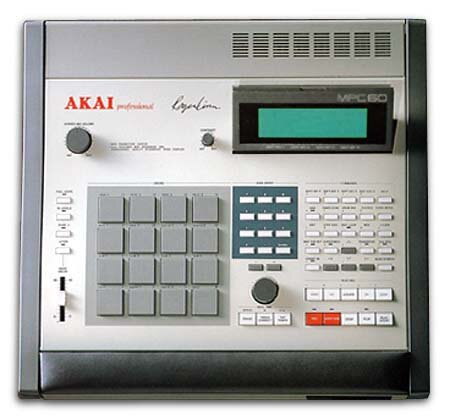
This combination was the magic ingredient. A producer could now record any sound they wanted, assign it to one of the 16 velocity-sensitive pads, and then arrange those sounds into a complete song.
Sampler
noun
An electronic instrument that records and plays back digital audio recordings, or 'samples'.
Sequencer
noun
A device or software application that can record, edit, and play back musical performance information in a sequence.
The Sound of a Generation
The MPC's intuitive design made it an instant hit, especially in the burgeoning hip-hop scene. The 4x4 grid of pads felt like a natural, playable instrument. Producers could tap out drum patterns with their fingertips, and the pads' sensitivity to pressure allowed for dynamic, expressive beats that felt alive. A light tap could produce a quiet hi-hat, while a hard smack could trigger a powerful kick drum.
The MPC's iconic "swing" feature allowed producers to shift notes slightly off the grid, mimicking the subtle, imperfect timing of a human drummer. This feature alone is credited with defining the groovy, laid-back feel of 90s hip-hop.
Legendary producers like DJ Premier, Pete Rock, and J Dilla built their signature sounds around the MPC. They would dig through old vinyl records, find a short snippet of a drum break, a horn stab, or a vocal line, and sample it into the machine. From there, they would chop, pitch, and re-sequence these sounds into entirely new compositions. The MPC became the heart of the studio, the central hub where classic tracks were born.
While its roots are in hip-hop, the MPC's influence quickly spread. Electronic musicians, from house to techno producers, adopted its powerful workflow. Pop artists and rock bands also found uses for it, incorporating sampled textures and programmed beats into their music. The MPC wasn't just a hip-hop tool; it was a music tool.
From Box to Software
As technology advanced, so did the MPC. Later models offered more memory, better effects, and refined features. The core workflow, however, remained largely the same, a testament to the strength of the original design.
Today, the MPC exists in many forms. There are modern standalone units that are more powerful than ever, packed with features that early pioneers could only dream of. There are also MPC-style controllers that connect to computers, integrating the classic pad-based workflow with the flexibility of modern music software. The legacy is even alive in mobile apps that let you make beats on your phone.
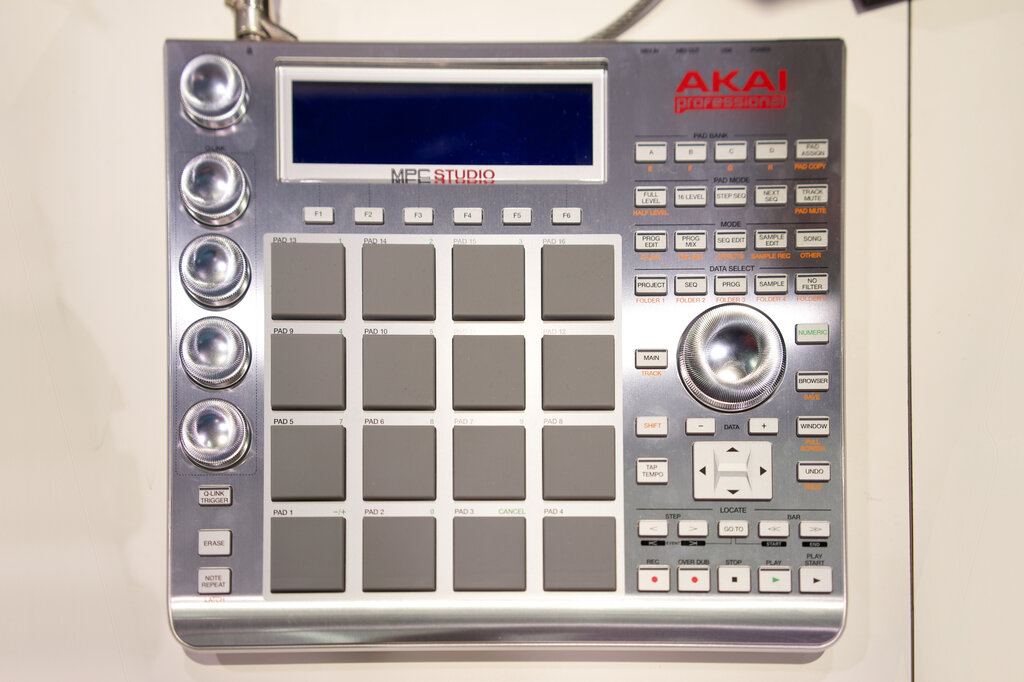
No matter the format, the core idea remains. The MPC democratized music production, giving artists a powerful, intuitive tool to turn the sounds in their heads into reality. It changed the way music is made and continues to influence producers across every genre.
Time to review the key ideas from this introduction.
Now, let's check your understanding.
What two core functions combined to make the original MPC a revolutionary music production tool?
The MPC's velocity-sensitive pads were a major innovation because they allowed producers to: