Music Marketing Essentials
Understanding Music Marketing
What Is Music Marketing?
Music marketing is the process of connecting an artist's music with an audience. It's much more than just running ads or posting on social media. It’s a deliberate strategy to build a world around the music, find the people who will love it, and turn casual listeners into dedicated fans.
In a world where millions of songs are just a click away, great music isn't always enough to get noticed. Marketing is what cuts through the noise. It tells an artist's story, communicates their value, and builds the momentum needed for a sustainable career.
building an effective music brand goes far deeper than just having “a look.” It’s about creating a cohesive identity that flows from your core purpose through every touchpoint with your audience—your sound, your story, your visual identity, your website content, social media presence, even your posters, stickers, and album covers.
The Core Components
An effective music marketing strategy is built on a few key pillars. These elements work together to create a cohesive and compelling experience for the listener.
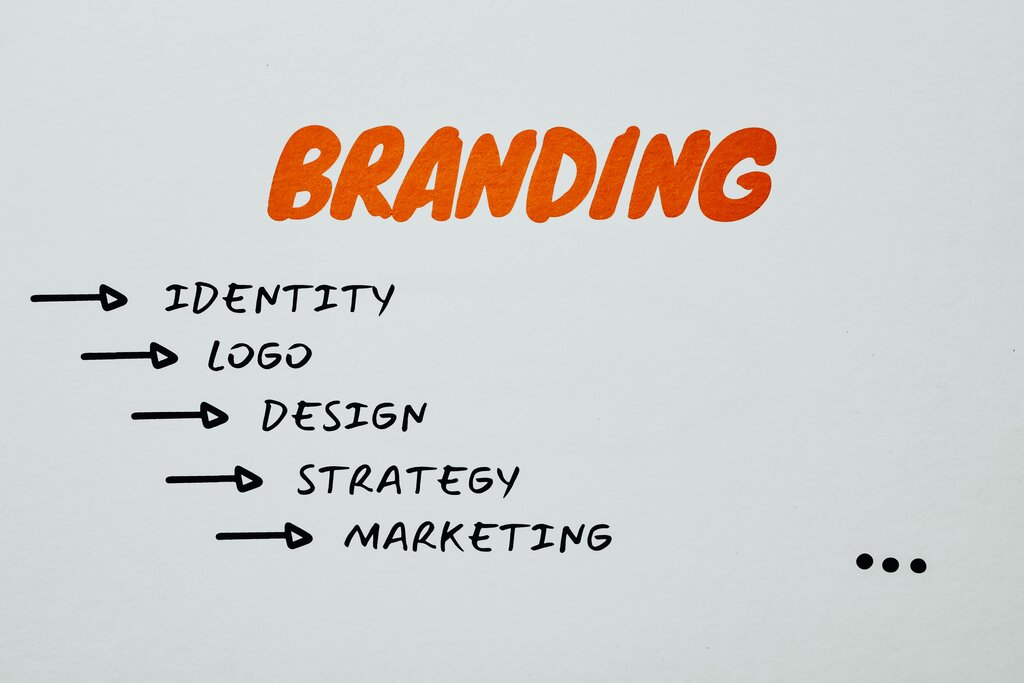
First up is branding. An artist's brand is their public identity. It’s the combination of their musical style, visual aesthetic, personal story, and values. A strong brand is consistent and authentic, helping fans understand who the artist is and what they stand for. It answers the question: "Why should I listen to this artist over all the others?"
Branding
noun
The process of creating a distinct identity for an artist or their music in the minds of their target audience. It encompasses visuals, messaging, and overall perception.
Next is audience engagement. This is about building a relationship with fans, not just broadcasting to them. It means creating a community through social media interactions, newsletters, and live shows. Engaged fans are more likely to buy merchandise, attend concerts, and share the music with their friends. They become advocates for the artist.
Marketing is a conversation. When fans feel heard and valued, they become part of the artist's journey.
Finally, there's promotion. This is the part most people think of as marketing. It’s the active work of making the music visible and accessible. This includes getting songs on playlists, securing press coverage, collaborating with other artists, and sharing content online. The goal is to reach potential new listeners where they already are.
Impact on a Career
Good marketing doesn't just sell a single song; it builds a career. A well-executed strategy creates a positive feedback loop. More visibility leads to more listeners, which grows the fanbase. A larger, more engaged fanbase leads to more opportunities, like bigger shows, better collaboration offers, and licensing deals for TV and film.
Ultimately, marketing empowers artists to turn their art into a sustainable profession. It creates a direct line to the people who value their work, allowing them to build a career on their own terms, with their community behind them.
Now, let's review the key terms we've covered.
Ready to test your knowledge? Let's see what you've learned about the fundamentals of music marketing.
What is the primary goal of music marketing according to the provided text?
Which key pillar of music marketing focuses on an artist's public identity, including their story, values, and visual aesthetic?
By understanding these core concepts, an artist can lay the groundwork for connecting their music to the world.