Music Industry Shifts in the Creator Economy
Music Industry Overview
From Sheet Music to Streaming
Before you could listen to music, you had to play it. In the late 19th and early 20th centuries, the music industry was all about selling sheet music. If a family wanted to hear the latest hit, they'd buy the composition and play it on their parlor piano. This business model was turned on its head by Thomas Edison's phonograph, which for the first time allowed sound to be recorded and played back.
The era of recorded music had begun. Vinyl records became the dominant format, and a new industry structure formed around discovering artists, recording their performances, and selling physical copies. Over the decades, the delivery method changed, but the core product—a physical object containing music—remained the same. Vinyl gave way to 8-track tapes, which were replaced by cassette tapes, and then compact discs (CDs) in the 1980s.
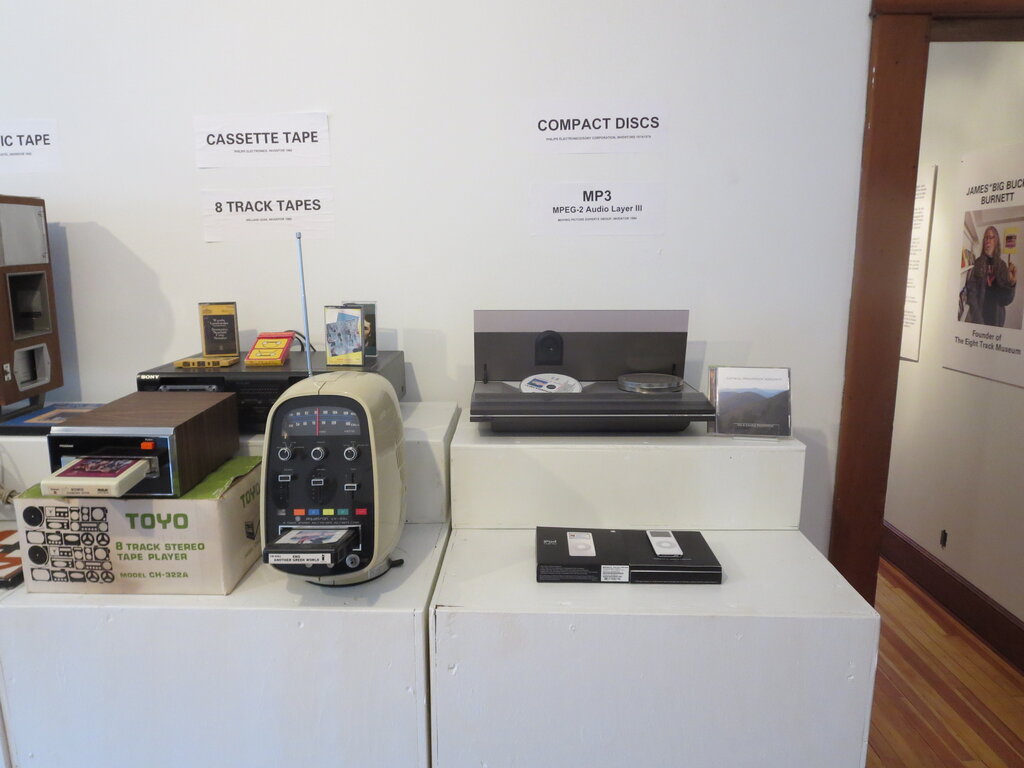
Each new format offered more convenience and portability, but the biggest disruption was yet to come. The arrival of the internet and the MP3 file format in the late 1990s shattered the physical distribution model. Music could now be copied and shared instantly, leading to a decade of declining revenue as the industry grappled with digital piracy. Eventually, legal download stores like iTunes provided a legitimate alternative, which was soon overtaken by the current dominant model: streaming.
The Players in the Game
The music industry is a complex ecosystem with several key players, each with a distinct role. Understanding how they interact is crucial to seeing the bigger picture.
At the center of it all is the artist, the creator who writes, composes, and performs the music. Most artists partner with other entities to get their music to a wider audience.
A record label invests in artists to record, produce, and market their music. Traditionally, they handle everything from funding studio time to securing press coverage and radio play. They own the master recordings, which are the specific versions of songs you hear.
A publisher is different. They focus on the song itself—the melody and lyrics, known as the composition. Publishers work to get these compositions used in various ways, such as by other artists (a cover), in movies, or in commercials. They collect royalties on behalf of the songwriter.
Finally, distributors are the logistical link in the chain. They take the finished recordings from the record label and deliver them to retailers, whether that's a physical record store or a digital platform like Spotify or Apple Music.
Following the Money
The music industry generates revenue from several distinct streams. While the percentages have shifted dramatically over time, the core sources remain the same.
| Revenue Stream | Description | Examples |
|---|---|---|
| Recorded Music | Income from the sale or consumption of sound recordings. | Vinyl/CD sales, digital downloads, streaming royalties. |
| Live Performance | Money earned from playing shows. | Ticket sales, merchandise sold at concerts. |
| Publishing | Royalties from the use of a musical composition. | Radio airplay, a song used in a TV show, another artist covering a song. |
For decades, recorded music meant physical sales. Consumers bought an album or single on a CD or vinyl record. With the digital shift, downloads offered a similar one-time purchase model for digital files. Today, streaming is the dominant form of music consumption. Instead of owning a copy, listeners pay for access to a massive library of songs. Artists and labels earn a fraction of a cent each time their song is played.
Live performances have always been a cornerstone of an artist's career. This includes revenue from selling tickets to concerts and festivals, as well as sales of merchandise like t-shirts and posters at those events. For many artists, touring is their largest source of income.
Publishing revenue is more complex. It includes:
- Mechanical Royalties: Generated every time a composition is reproduced, whether on a CD, a vinyl record, or a digital stream.
- Performance Royalties: Paid when a song is performed publicly. This includes radio stations, TV shows, bars, and live venues.
- Synchronization (Sync) Licenses: A fee paid to use a song in visual media like a film, commercial, or video game.
The Industry by the Numbers
The global music industry is a massive economic force. In 2023, the recorded music market alone generated over $28 billion in revenue, with streaming accounting for the vast majority of that figure. This number doesn't even include the billions generated from live music, publishing, and merchandise sales.
The industry's growth is driven largely by the widespread adoption of paid streaming subscriptions around the world. While the value of a single stream is tiny, the sheer volume—trillions of streams per year—adds up to a significant and growing revenue pie. This foundational structure sets the stage for understanding the new forces and trends that are currently reshaping the music business.