Music Industry Shifts and the Creator Economy
Introduction to Music Industry Evolution
From Records to Streams
For a long time, music was something you could hold. It came on vinyl records, cassette tapes, and later, compact discs (CDs). Each format was a physical object you had to buy from a store. Your music collection was limited by your budget and the space on your shelf. Getting a new album was an event. You'd unwrap it, look at the artwork, and listen from start to finish.
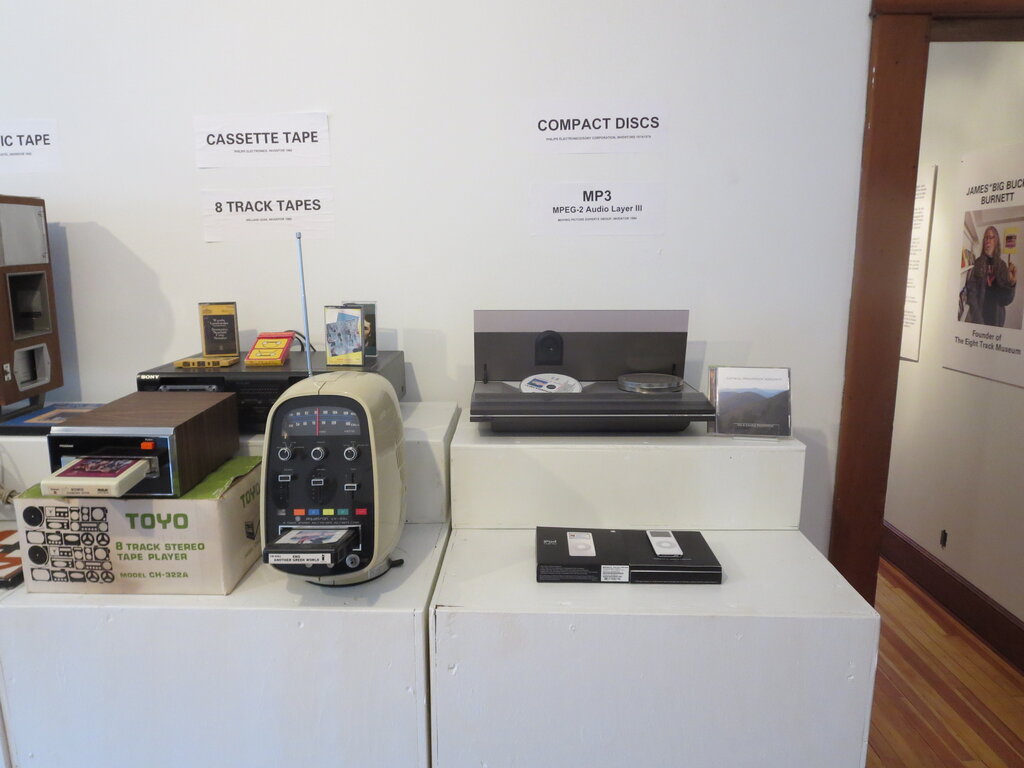
Then, technology changed everything. The arrival of the MP3 file in the 1990s was a revolution. An MP3 is a compressed digital audio file, small enough to be easily stored on a computer and shared over the internet. Suddenly, a song wasn't a physical thing anymore. It was just data.
This shift had a massive impact on music distribution. Before, getting music to listeners involved manufacturing plants, trucks, and record stores. The MP3 cut out the middleman. Artists and listeners could connect more directly, but it also opened the door to widespread piracy. Services like Napster allowed people to share music for free, which shook the industry to its core.
Technological changes in the music industry and the ways in which consumers culturally embrace these changes are important yet overlooked components of pop song history.
The Age of Access
The move from physical to digital didn't just change how music was sold; it changed how we listen. Consumer behavior shifted dramatically. The idea of owning a curated collection of albums began to fade. Why buy an album for one or two good songs when you could download just the tracks you liked?
This new mindset prioritized access over ownership. People started building huge digital libraries on their computers and devices like the iPod. The focus was on playlists and shuffling thousands of songs, rather than experiencing a single album as a complete work.
The fundamental shift was from owning music to accessing it. This changed our entire relationship with songs and artists.
Streaming services like Spotify and Apple Music were the next logical step. They offered a solution to the piracy problem by providing a legal, convenient, and affordable way to access nearly all the music in the world. Instead of buying individual songs or albums, you pay a monthly fee for a subscription.
This model solidified the shift to an access-based culture. The modern listener is less a collector and more a curator, creating playlists for different moods and moments from a seemingly infinite catalog. This has fundamentally reshaped what it means to be a music fan and how the industry makes money.
Now, let's test your understanding of this evolution.
What was the primary technological innovation that began the shift from physical to digital music consumption?
The text describes a major shift in consumer behavior. This shift is best described as moving from a culture of ______ to a culture of ____.
Understanding this transition from physical products to digital access is key to seeing how the entire business of music has been forced to adapt.