Music Industry Meets Creator Economy
Music Industry Overview
From Records to Streams
For decades, the music industry revolved around a simple idea: selling physical objects. Whether it was a vinyl record, a cassette tape, or a compact disc, you bought a copy of the music to own. This model defined how artists were paid, how music was marketed, and how fans built their collections. If you wanted to listen to an album, you had to buy it.
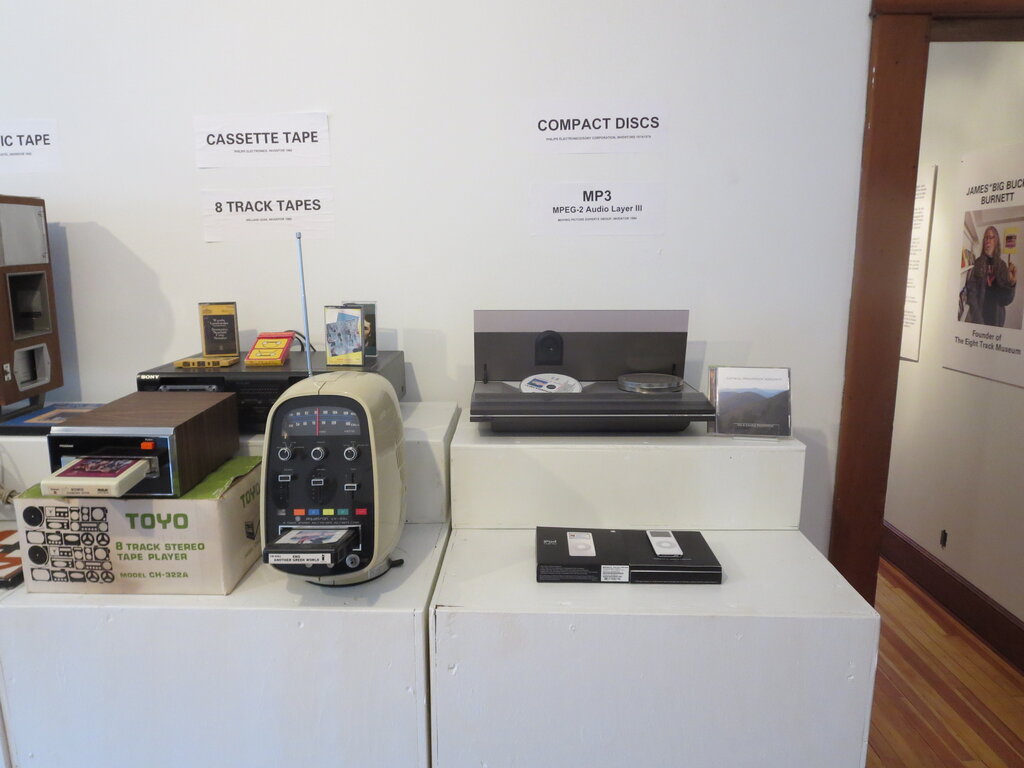
The internet changed everything. In the late 1990s and early 2000s, file-sharing platforms like Napster let people download MP3s for free. This digital disruption shook the industry to its core. Physical sales plummeted as millions of people suddenly had access to a near-infinite library of music without paying for it.
The first response was legal digital stores, like Apple's iTunes. This brought back the concept of ownership, but in a digital form. You could buy a song for $0.99 or an album for $9.99. It was a crucial step, but it was just a bridge to the next major shift.
The Age of Access
The real revolution wasn't just digital music; it was streaming. Services like Spotify and Apple Music introduced a new model: access over ownership. Instead of buying individual songs or albums, you pay a monthly subscription fee for access to a massive catalog of music. You don't own the files, but you can listen to almost anything, anytime.
This shift has completely reshaped the industry's finances. After years of decline, the music business is growing again, powered almost entirely by streaming revenue.
In 2024, global recorded music revenue reached 💲29.6 billion. Streaming subscriptions and advertising accounted for 69% of that total, making it the dominant force in the market.
A handful of major players now control the streaming landscape. While the exact numbers fluctuate, the market is highly concentrated among a few key services.
This concentration means that decisions made by a few large tech companies can have a huge impact on artists and listeners worldwide. The move from physical sales to digital streams has fundamentally altered how we discover, consume, and value music.
The digital age has significantly changed how music is consumed, promoted, and monetized.
Let's review these key changes in the music industry.
What was the primary shift in the music consumption model introduced by streaming services like Spotify?
What major impact did early file-sharing platforms like Napster have on the music industry?
The transition from owning physical copies to subscribing for digital access marks one of the most significant transformations in the history of the creative industries.