Music Industry Evolution The Creator Economy
Traditional Music Industry Models
The Age of the Record Label
Before you could discover a new artist from a playlist, the music industry ran on a very different model. At its center was the record label. Think of a label as a mix between a bank and a talent agency. They invested huge sums of money in artists they believed had potential.
This investment covered everything from recording the album in a professional studio to designing the cover art. Labels had departments dedicated to finding and nurturing talent, known as A&R, or "Artists and Repertoire." An A&R representative would scout clubs, listen to demo tapes, and ultimately decide who to sign. Getting a record deal was the first and most crucial step for any aspiring musician.
Once an artist was signed, the label took control of turning their music into a physical product and getting it into the hands of listeners. This was a complex and expensive operation, and it defined how everyone in the ecosystem made money.
Selling Music, Not Streams
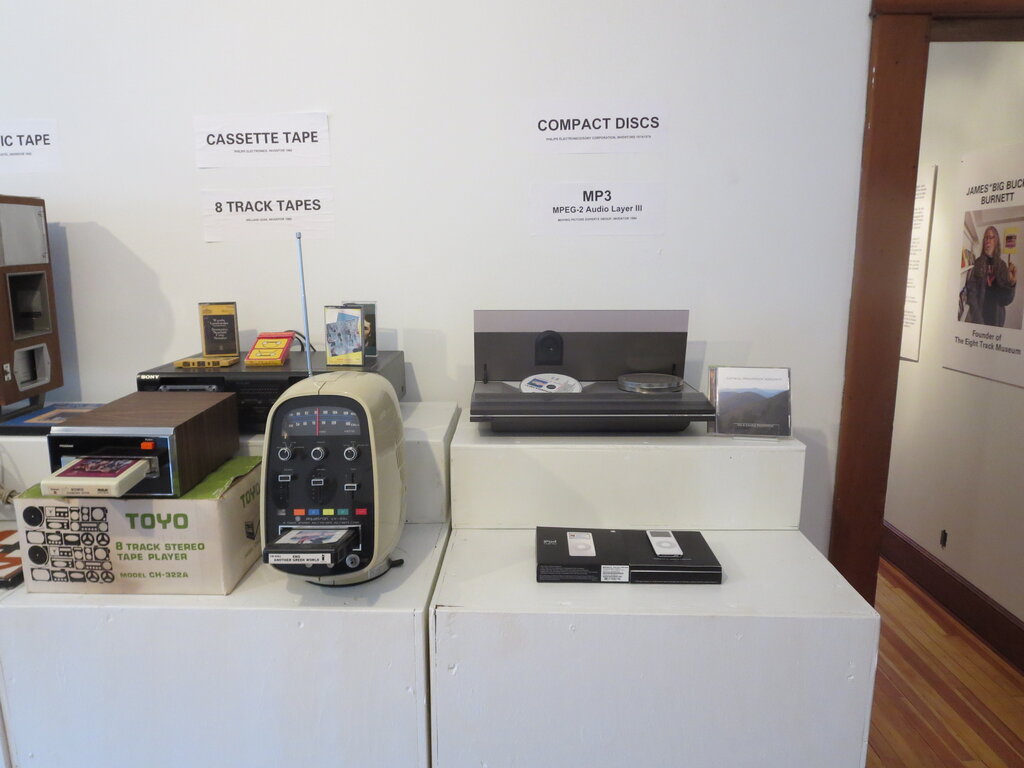
The primary way artists and labels earned money was through the sale of physical music formats: vinyl records, cassette tapes, and later, compact discs (CDs). Each sale of an album or single generated revenue that was split between the record store, the distributor, the label, and the artist.
However, the split was far from even. The label fronted all the costs, so they took the largest share of the revenue. Artists earned a small percentage known as a royalty, and they often had to pay back the label's initial investment (called an advance) before they saw any money from sales. For many, even successful albums didn't translate into big payouts.
Beyond album sales, touring was another major source of income, especially for established acts. While new artists often toured at a loss to promote their album, big bands could sell out arenas and stadiums. Selling merchandise—t-shirts, posters, and other memorabilia—at these shows was, and still is, a very profitable business for artists.
Breaking Through the Static
How did anyone hear about a new album? The answer was almost always the radio. In the pre-internet era, radio was the king of music discovery. Getting a song into heavy rotation on major radio stations could make an artist an overnight star. This process, called radio promotion, was a key job for the record label. They had teams of people dedicated to building relationships with radio programmers to get their artists' songs on the air.
A song wasn't just a hit because it was good; it was a hit because it was on the radio. Airplay created demand and drove fans to record stores.
This system created powerful gatekeepers. Record labels decided which artists received the investment needed to make a professional record. Radio stations then decided which of those records the public would get to hear. There was no direct path to an audience. An artist couldn't just record a song in their bedroom and upload it for the world to find.
This structure made it incredibly difficult for independent artists to break through. Without the financial backing and industry connections of a major label, reaching a mass audience was nearly impossible. You had to go through the official channels or not go at all.
Now, let's test your knowledge on how the music industry used to work.
What was the primary role of a record label's "Artists and Repertoire" (A&R) department?
In the context of a traditional record deal, what was an "advance"?
Understanding this traditional model is key to seeing just how much the industry has changed. The roles of investment, promotion, and distribution still exist, but who performs them and how they work has been completely transformed.