Music Industry Evolution The Creator Economy
Music Industry Overview
The Music Industry Machine
The music industry can seem complex, but at its core, it revolves around two main pillars: recorded music and music publishing. Think of them as two different businesses built around a single song.
Recorded music is the business of the actual sound recording. This is what you listen to on Spotify or buy on vinyl. It's traditionally managed by record labels, which can be massive global corporations (the “majors”) or smaller independent companies (“indies”). These labels invest in artists to record, market, and distribute their music.
Music publishing is the business of the song itself—the melody and lyrics. A publisher's job is to make sure the songwriter gets paid whenever their composition is used. This could be when it's sold, streamed, played on the radio, or used in a movie. An artist can be their own songwriter, or they can record a song written by someone else. In either case, the songwriter and their publisher own the composition.
Follow the Money
So how does money actually flow through this system? It comes from several different streams, and a successful artist relies on a mix of them.
Recorded Music: This is revenue from the master recording. It includes money from digital streams, downloads from stores like iTunes, and sales of physical formats like CDs and vinyl records. Artists typically receive a percentage of this income, known as a royalty, after the record label recoups its initial investment.
Publishing: This is revenue from the composition. When a song is streamed or sold, a “mechanical royalty” is paid to the songwriter and publisher. When it’s played on the radio, in a restaurant, or performed live, a “performance royalty” is generated. Money also comes from “sync licensing,” which is when a song is placed in a movie, TV show, or commercial.
Live Performances: For many artists, touring is their biggest source of income. This includes ticket sales, which are split between the artist, promoter, and venue.
Merchandising: This is the business of selling branded products. Think t-shirts, posters, and other items sold at concerts or online. It can be a surprisingly significant revenue stream.
For modern musicians, income isn't just about selling albums. It's a blend of streaming royalties, publishing fees, concert tickets, and merchandise.
From Records to Streams
The way we listen to music has changed dramatically, and so has the industry. For decades, the business was built on selling physical products. It started with vinyl records, then moved to cassettes, and later, compact discs (CDs). Each format had its own era, but the basic model was the same: you bought a physical copy of the music you wanted to hear.
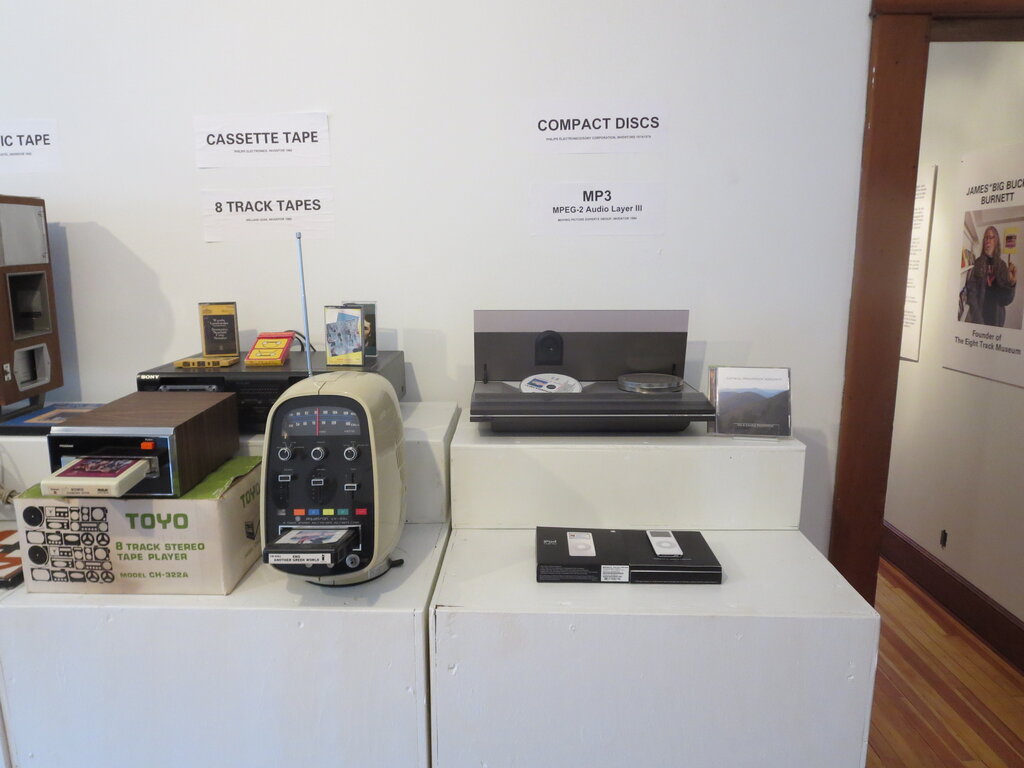
The internet upended everything. The invention of the MP3 file format in the 1990s made it possible to share music online. Services like Napster allowed millions of people to download music for free, and the industry’s revenue from CD sales plummeted.
Apple’s iTunes store provided the first successful legal alternative. It proved people were willing to pay for digital music, but the model shifted from buying an entire album to buying individual songs for $0.99. This was a step toward recovery, but the next big change was just around the corner: streaming.
The Streaming Revolution
Streaming services like Spotify and Apple Music changed the game again. Instead of owning music, listeners now pay a monthly fee for access to a massive library of songs. This “access over ownership” model has become the dominant way people consume music.
For the industry, streaming has brought a return to growth. Global revenue is higher than it was during the peak of the CD era. But for artists, the economics are different. A single stream pays a tiny fraction of a cent. To earn significant money, an artist needs hundreds of millions, or even billions, of streams. This has changed not only how artists get paid, but also how they get discovered, with algorithmic playlists and viral trends on social media becoming powerful promotional tools.
Technological changes in the music industry and the ways in which consumers culturally embrace these changes are important yet overlooked components of pop song history.
Let's review what we've covered.
What is the primary difference between the 'recorded music' and 'music publishing' sectors of the industry?
If a song you wrote is used in a major motion picture, the income generated is primarily from what kind of license?
This foundation gives us a clear picture of the traditional music industry. Next, we'll explore how new tools and platforms are allowing creators to build careers on their own terms.