Music Industry Evolution in the Creator Economy
Music Industry Overview
From Physical to Digital
For over a century, listening to music meant owning a physical object. It started with wax cylinders, then moved to vinyl records, 8-track tapes, cassettes, and eventually compact discs (CDs). Each new format promised better sound quality, portability, or durability. The business model was simple: artists recorded music, labels manufactured it, and fans bought it from a store.
This all changed in the late 1990s with the invention of the MP3 file. Suddenly, music could be compressed into a small digital file, easily shared over the internet. This innovation led to the rise of peer-to-peer file-sharing services, which rocked the industry. But it also paved the way for legal digital downloads from platforms like the iTunes Store.
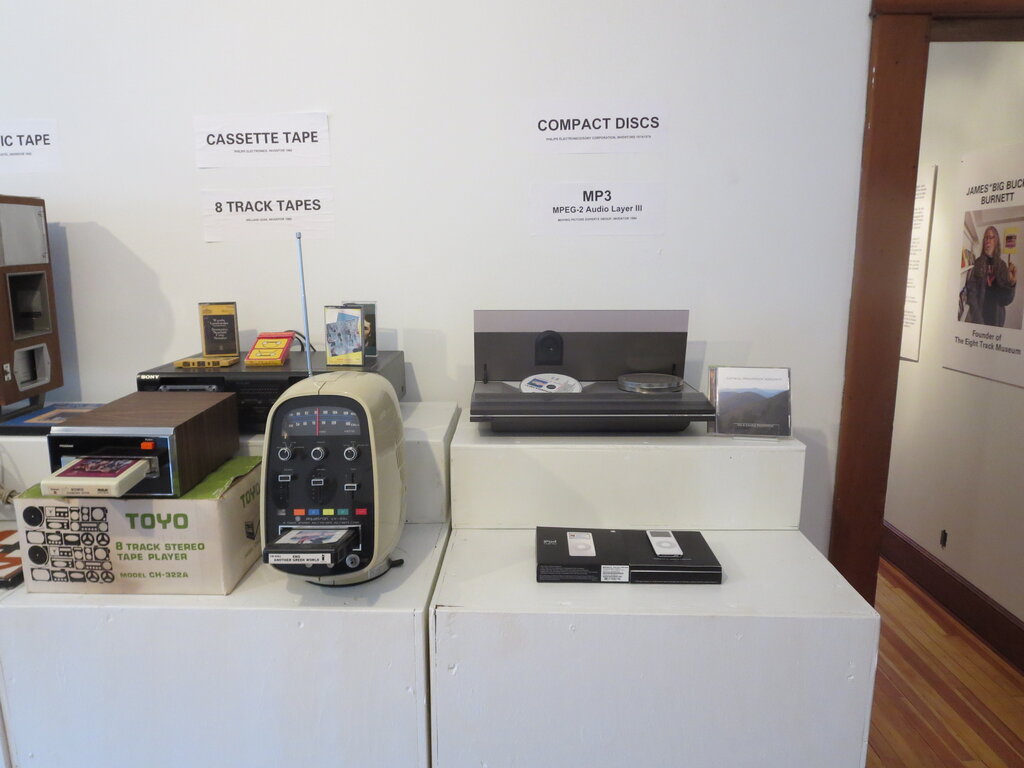
Today, we live in the age of streaming. Instead of owning a song, most people pay a monthly fee for access to vast libraries of music on services like Spotify, Apple Music, and YouTube Music. This shift from ownership to access fundamentally changed how music is distributed and how artists get paid.
The Role of Record Labels
Record labels have traditionally been the gatekeepers of the music industry. They discover and sign artists, fund the recording process, handle marketing and promotion, and manage distribution. For decades, getting a deal with a major label was the only path to a successful music career.
The
There are two main types of labels: major and independent.
Major labels are large corporations with massive resources. Think of Universal Music Group, Sony Music Entertainment, and Warner Music Group. They have the financial power and global networks to turn an unknown artist into a household name. However, they often demand significant creative control and take a large percentage of the artist's earnings.
Independent labels (or "indies") are smaller companies that operate outside the major label system. They typically offer artists more creative freedom and a larger share of the profits. The trade-off is that they have smaller budgets for marketing and promotion, making it harder to achieve mainstream success.
| Feature | Major Label | Independent Label |
|---|---|---|
| Resources | Vast (funding, studios, staff) | Limited |
| Creative Control | Often limited for the artist | Generally high for the artist |
| Artist Royalties | Lower percentage | Higher percentage |
| Distribution | Global reach | Varies, often smaller scale |
| Marketing Power | Massive | Niche and targeted |
The Independent Artist
The internet and digital technology have broken down the old barriers. Today, an artist doesn't need a record label to release music. Services like DistroKid, TuneCore, and CD Baby allow anyone to upload their songs to all the major streaming platforms for a small fee. Social media provides a direct line to fans, eliminating the need for traditional marketing gatekeepers.
Technological advancements have transformed how music is created and consumed, influencing tastes and the music itself.
This shift has given rise to a new ecosystem in music, often called the creator economy.
Creator Economy
noun
An economy where independent content creators, including artists, writers, and musicians, monetize their skills and content directly with their audience.
In this model, musicians act as entrepreneurs. They build a brand, engage with their community, and create multiple streams of income. Streaming royalties might be one source, but they can also sell merchandise, offer subscriptions through platforms like Patreon, license their music for ads or films, and earn money from live performances. The artist is in control, managing their career like a small business.
Ready to check your understanding?
What was the primary business model for music consumption before the late 1990s?
Which technological innovation was the direct catalyst for the widespread sharing of music over the internet?
The music industry continues to evolve, but one thing is clear: the power has shifted. While labels still play a role, artists now have more control over their careers than ever before.