Music Industry Evolution in the Creator Economy
Music Industry Overview
The Music Industry Machine
The music industry can seem like a complex web of interconnected players, all working to bring a song from an artist's mind to a listener's ears. At its core, it's a system designed to create, package, and sell music. Think of it as a factory line, but for art. An artist writes a song, a label helps record and market it, a publisher manages the songwriting rights, and a distributor gets it onto shelves or into digital storefronts.
Each part of this chain has a specific job. Understanding these roles is the first step to seeing how the entire industry functions.
Who Does What
Four key players have traditionally defined the music business:
-
Artists: These are the creators. They write the lyrics, compose the melodies, and perform the songs. Without the artist, there is no music.
-
Record Labels: Think of labels as investors and project managers. They sign artists and fund the recording process. They also handle marketing, promotion, and music video production. Their goal is to turn a recorded song into a commercial success. They own the final sound recording, often called the "master."
-
Music Publishers: Publishers focus on the song itself, not the recording. They represent the songwriter and manage the song's composition—the melody and lyrics. They work to get the song licensed for use in movies, TV shows, commercials, or recorded by other artists. Every time a song is used, the publisher collects royalties on behalf of the songwriter.
-
Distributors: These are the logistics experts. Historically, they moved physical products like CDs and vinyl records from warehouses to retail stores. Today, they primarily deliver digital music files to online stores and streaming platforms. They are the bridge between the finished product and the public.
| Stakeholder | Primary Role | Manages... |
|---|---|---|
| Artist | Creates the music | Songs & Performances |
| Record Label | Invests in and markets recordings | The Master Recording |
| Music Publisher | Manages and licenses compositions | The Songwriting |
| Distributor | Gets music to the market | The supply chain |
It's important to remember that a single song has two distinct copyrights: one for the sound recording (usually controlled by the label) and one for the underlying composition (controlled by the publisher).
How The Money Flowed
Before the internet changed everything, the industry's revenue streams were fairly straightforward. The biggest money-maker for decades was the sale of physical music.
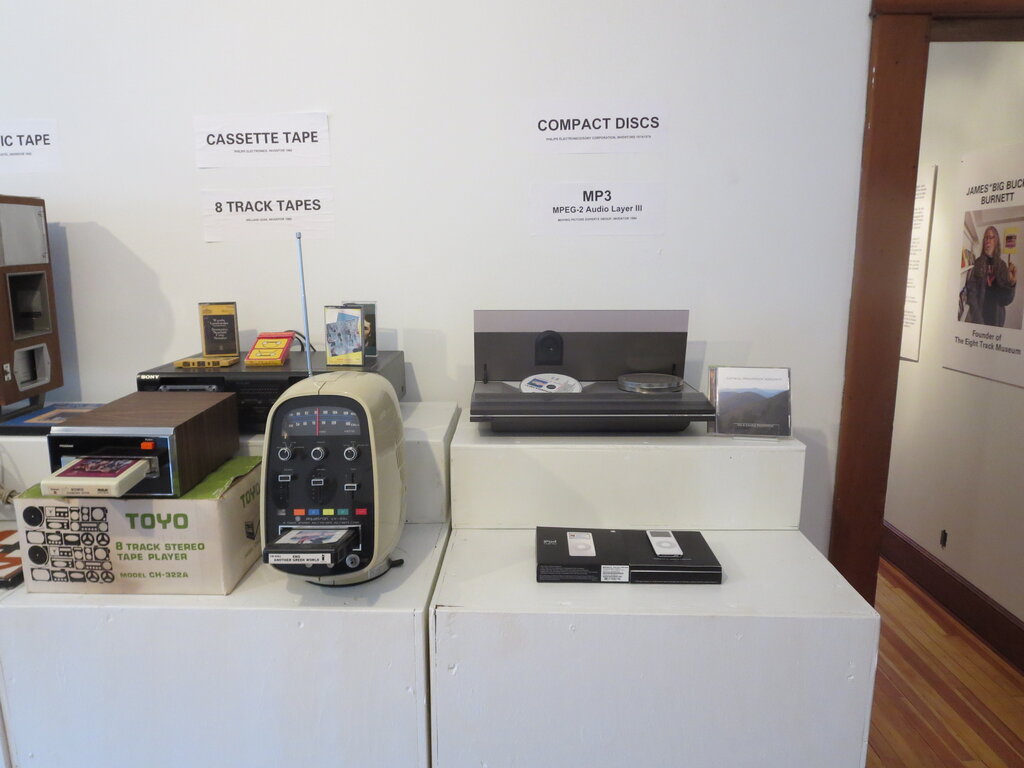
Consumers bought vinyl records, cassette tapes, and later, compact discs (CDs). This model was simple: create a physical product, ship it to stores, and sell it to fans. A significant portion of the price went to the record label to recoup its investment in recording and marketing.
Another key revenue source was, and still is, performance rights. When a song is played in a public setting—on the radio, on TV, in a bar, or at a sporting event—a fee must be paid. Organizations like ASCAP, BMI, and SESAC collect these royalties and distribute them to publishers and songwriters.
Performance royalties ensure that creators are compensated whenever their work is broadcast or performed publicly.
The Digital Disruption
The rise of the internet and MP3 file sharing in the late 1990s and early 2000s threw the traditional model into chaos. Suddenly, music could be copied and distributed for free, causing physical sales to plummet.
The industry's first major response was the launch of digital download stores like Apple's iTunes. This shifted the model from buying physical albums to purchasing digital files, often one track at a time. For a while, this created a new, viable revenue stream.
However, digital downloads were just a transitional phase. This shift retrained consumers to think of music as something that lived on their computers and phones, not on a physical disc. It paved the way for the access-over-ownership model of streaming services, which would once again transform how music is consumed and monetized.
Technological changes in the music industry and the ways in which consumers culturally embrace these changes are important yet overlooked components of pop song history.
This digital transformation fundamentally altered the power dynamics and cash flow of the music industry, setting the stage for the streaming era and the new challenges and opportunities it presents.
What is the primary role of a record label in the music industry?
A single song has two distinct copyrights. One is for the sound recording (the "master"), and the other is for the underlying ______.
This look at the traditional music industry gives us the foundation to understand how things work today. The players and revenue streams have evolved, but the core concepts of recording rights, publishing rights, and distribution remain.