Music Industry Evolution and the Creator Economy
Music Industry Economics
The Old-School Music Machine
For much of the 20th century, the music industry ran on a simple, powerful engine: physical sales. Getting music to the masses was a massive undertaking. It required factories to press vinyl records, duplicate cassette tapes, and burn CDs. It needed trucks for shipping, warehouses for storage, and brick-and-mortar stores for sales.
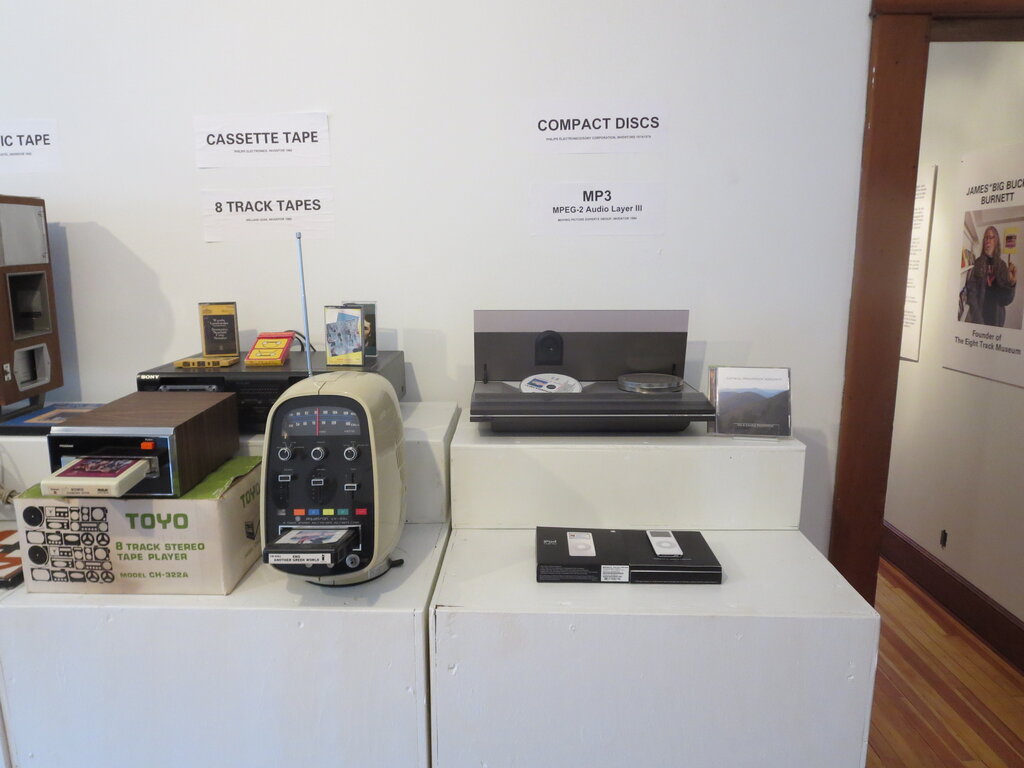
At the center of this world was the record label. Labels were the gatekeepers. They had the capital to fund recording sessions, the manufacturing power to produce albums, and the marketing muscle to get songs on the radio. An aspiring artist’s goal was straightforward: get signed.
A typical record deal was a complex financial arrangement. The label would front the money for everything related to creating and promoting an album. This was called an advance, and it was essentially a loan. The artist wouldn't see another dime until the label recouped every single dollar of that advance from the artist's share of sales.
Revenue from physical sales was split between many parties: the record store, the distributor, the manufacturer, the publisher, and the label. The artist often received the smallest piece of the pie.
Royalties and Rights
When a fan bought a CD, the money from that sale triggered different kinds of payments, known as royalties. Understanding these is key to understanding how artists and songwriters got paid.
royalty
noun
A payment made to the legal owner of a property, patent, copyrighted work, or franchise by those who wish to make use of it for the purposes of generating revenue.
The two main types are mechanical and performance royalties.
Mechanical Royalties are earned from the reproduction of a song. Every time a record label pressed a vinyl or a CD, they had to pay a mechanical royalty to the songwriter or their publisher. This rate is set by the government, so it's standardized.
Performance Royalties are generated whenever a song is performed publicly. This includes radio airplay, use in a TV show or movie, or being played in a restaurant or at a concert. Organizations called Performing Rights Organizations (PROs), like ASCAP and BMI in the U.S., collect these fees and distribute them to songwriters and publishers.
Notice a key distinction: the recording artist and the songwriter aren't always the same person. Mechanical and performance royalties traditionally go to the songwriter and publisher, not the performing artist.
The Digital Download Era
Around the turn of the millennium, the internet changed everything. The rise of MP3s and platforms like iTunes introduced the digital download. Suddenly, you could buy a song or an album with a single click.
This new format eliminated the costs of manufacturing, packaging, and shipping physical goods. In theory, this meant more money could go to the creators. While artists' royalty rates for digital sales were often slightly higher than for physical CDs, the fundamental structure didn't change much. The labels, which controlled the master recordings, still took the lion's share of the revenue from a $0.99 download.
This diagram shows a very simplified breakdown. The actual percentages varied wildly based on an artist's fame and negotiating power, but the overall structure remained consistent. The label invested the capital and controlled the product, while the artist provided the creative labor in exchange for an advance and a small percentage of sales, if they ever recouped.
This model defined the industry for generations, creating superstars and a powerful corporate structure. But it also laid the groundwork for the massive disruption that was just around the corner.
In the 20th-century music industry, what was the primary role of a record label?
A record label would often provide an artist with an "advance." How did this payment function?