Music Industry Evolution and the Creator Economy
Music Industry Overview
From Sheet Music to Speakers
Before you could listen to music with the tap of a button, you had to make it yourself. For centuries, the music industry wasn't about recordings—it was about selling the instructions. The business revolved around sheet music. If you wanted to hear the latest hit, you bought the sheet music and played it on your piano at home.
Everything changed in the late 19th century with the invention of the phonograph. For the first time, sound could be captured and replayed. This was a monumental shift. The industry slowly pivoted from selling instructions (sheet music) to selling a finished product: the recording. This gave rise to the record industry, which focused on producing and selling discs and cylinders.
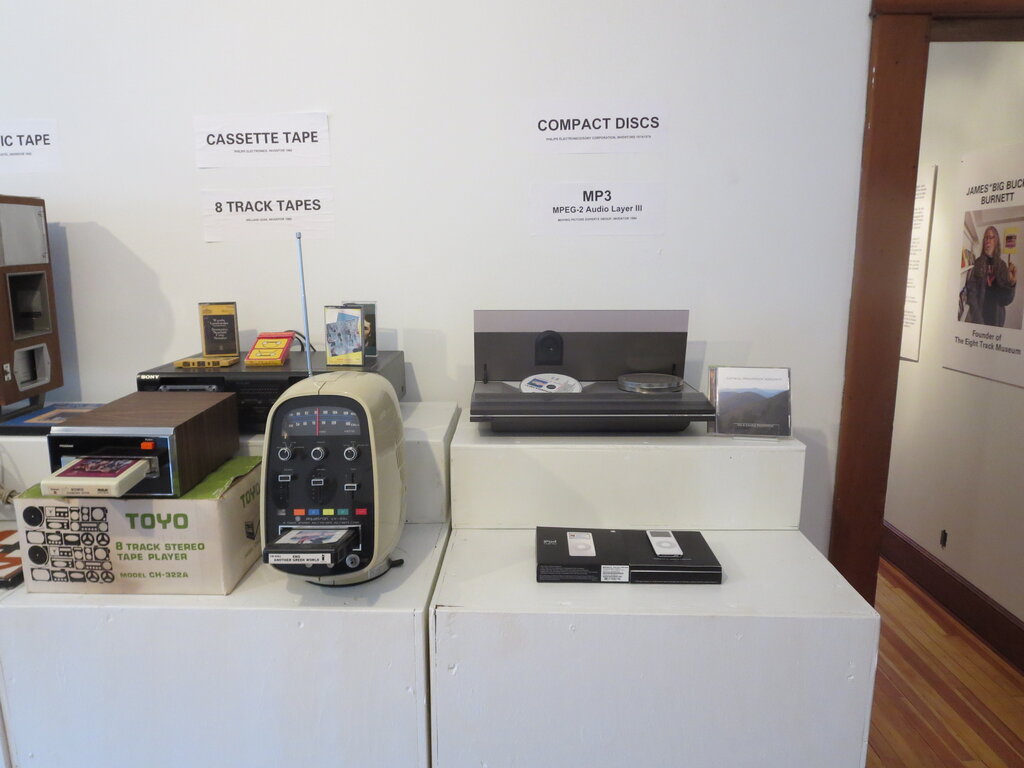
Over the next century, the technology kept evolving. Vinyl records, 8-track tapes, cassettes, and finally compact discs (CDs) each had their moment. Each new format made music more portable and accessible, and the industry grew into a global powerhouse built on the sale of these physical objects.
The Three Pillars
The music industry isn't one single business. It’s a collection of several distinct, yet interconnected, businesses. Think of it as a structure supported by three main pillars: recording, publishing, and live performance.
1. Recording: This is the part of the industry most people think of. It's the business of creating, manufacturing, and selling sound recordings. These are often called "masters." When you buy an album, you're buying a copy of the master recording.
2. Publishing: This is the business of the song itself. Before a song can be recorded, it has to be written. Music publishing deals with the copyright of the composition—the melody and lyrics. Publishers work to get songs placed with recording artists, used in movies or commercials, and they collect royalties for the songwriter whenever the song is used.
3. Live Performance: This is the business of concerts, tours, and festivals. It’s where fans connect with artists in person. This pillar involves promoters who book the shows, venues that host them, and the entire crew that makes the show happen every night.
A recording is a specific performance of a song captured in a studio. A composition is the underlying melody and lyrics. One composition can have many different recordings by many different artists.
Who's Who in the Music World
Just as the industry has different pillars, it also has different key players, each with a specific job. Understanding these roles is crucial to seeing how the whole system works.
| Stakeholder | Role |
|---|---|
| Artist | The creator and/or performer of the music. The central figure around which the industry revolves. |
| Record Label | Invests in artists to create, market, and sell recordings. They typically own the master recordings. |
| Publisher | Represents songwriters and their compositions. They license the songs and collect the royalties owed to the writer. |
| Distributor | The logistical link. They get the physical products (like CDs and vinyl) from the record label to the retailers. |
The artist is at the center of it all. They write and perform the songs that audiences connect with.
Record labels are like venture capitalists for music. They invest significant money to record an album, create music videos, and promote it to the public. In exchange, they usually own the master recordings and take the largest share of the revenue from sales. They take on the financial risk, hoping for a hit that will pay off their investment and then some.
A publisher's client is the songwriter (who is often also the artist, but not always). Their job is to manage the song as a piece of intellectual property. They find opportunities for the song to be used and make sure the songwriter gets paid for it.
Finally, distributors handle the logistics. In the age of physical media, their role was to get albums from the warehouse into stores around the world. They managed shipping, inventory, and relationships with thousands of retailers.
Technological changes in the music industry and the ways in which consumers culturally embrace these changes are important yet overlooked components of pop song history.
These roles and pillars formed the bedrock of the music industry for the better part of a century. They created a system that produced some of the most iconic music in history, all built around the simple act of selling a copy of a song.
Before the invention of the phonograph, what was the primary product sold by the music industry?
What is the primary role of a music publisher?
This foundational structure is the key to understanding everything that came next in the ever-changing world of music.