Music Industry Evolution and the Creator Economy
Music Industry Business Models
The Traditional Model
For decades, the music industry ran on a straightforward model built around physical products. An artist signed with a record label, which then financed the recording, manufacturing, and marketing of albums—first as vinyl records, then cassettes and CDs. The label was the central bank and marketing machine.
Once manufactured, these physical copies were sent to distributors, who acted as the wholesalers. They sold the albums to retail stores, from large chains to small independent shops, where fans would finally buy them. Each step involved a middleman who took a cut, and the artist typically received a small percentage of the sales, known as a royalty, after the label recouped all its costs.
This system was linear and controlled. Labels acted as gatekeepers, deciding which artists had a chance to be heard. Success was measured in album sales, and breaking into the industry required navigating this established chain of command.
In this model, ownership was key. Fans bought a physical object, a tangible piece of music they could hold, collect, and listen to on their own terms. The entire economic structure was built on selling these individual units.
The Digital Disruption
The internet upended everything. In the late 1990s and early 2000s, peer-to-peer file-sharing platforms like Napster allowed people to share digital music files for free. This shattered the industry's control over distribution and caused a massive decline in physical album sales.
The industry's first major response was the legal digital download. Apple's iTunes Store, launched in 2003, offered a compelling alternative: buy a single song for 99 cents or a whole album legally. This was a monumental shift. It unbundled the album, making the individual song the primary unit of consumption. For the first time, fans could pick and choose tracks without buying the entire record.
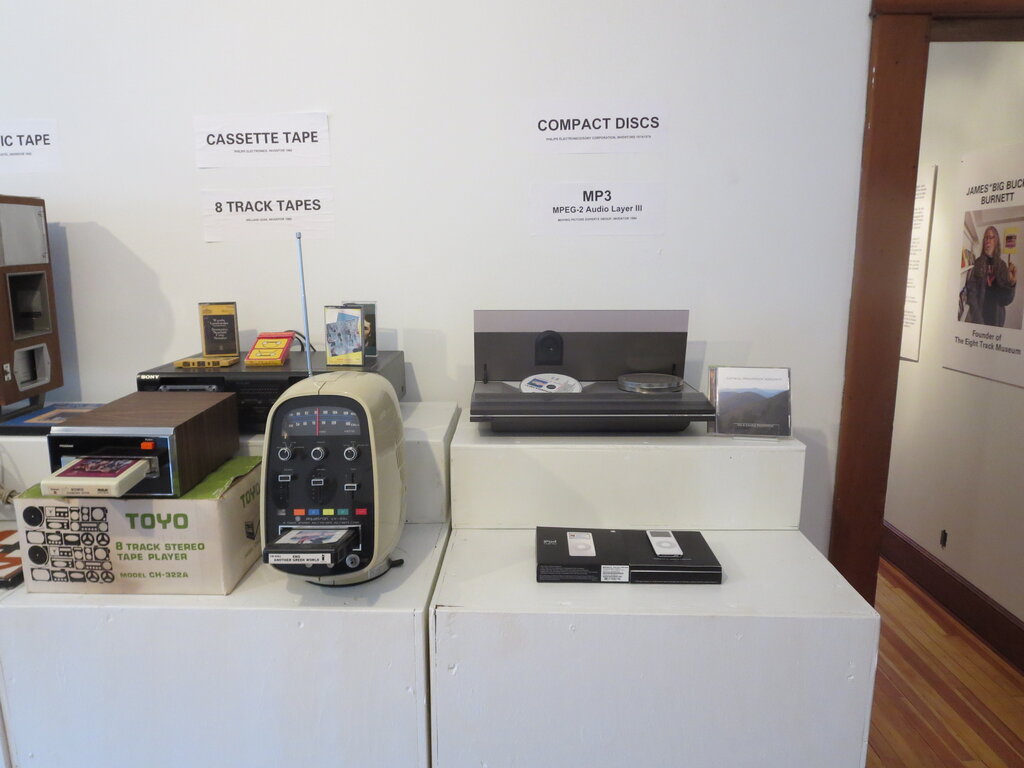
This move to digital downloads preserved the idea of ownership—you still bought and owned the music file—but it eliminated the need for manufacturing, distribution, and physical retail. It was a more direct path from the label to the listener, but it also signaled that the old way of doing business was over.
The Rise of Streaming
The next wave of change was even more profound. Streaming services like Spotify and Apple Music introduced a new paradigm: access over ownership. Instead of buying music, listeners pay a monthly subscription fee for access to a massive, seemingly infinite library of songs.
This model completely changed how people consume music and how artists get paid. Revenue no longer comes from individual sales but from a collective pool of subscription fees and advertising income. This pool of money is then distributed to rights holders (labels, publishers, and artists) based on their share of total streams.
The financial structure of streaming is complex. A single stream of a song is worth a fraction of a cent. Earnings depend on accumulating millions of streams.
The most common payment system is the "pro-rata" model. All the money collected by a streaming service in a given period is put into a single pot. This money is then divided by the total number of streams across the platform to determine the value of a single stream. Rights holders are then paid based on how many streams their songs generated. This means an artist's earnings aren't tied directly to a specific fan's subscription but to their overall popularity on the platform.
The Creator Economy
Alongside the dominance of streaming, another model has begun to take shape: the creator economy. This concept isn't exclusive to music, but it's having a significant impact. In this model, artists leverage digital tools and platforms to build businesses directly around their fanbases.
Rather than relying solely on traditional gatekeepers like record labels or the algorithms of streaming platforms, artists act as entrepreneurs. They use platforms like Patreon, Bandcamp, and social media to connect directly with their most dedicated supporters. This allows them to create and monetize their work in new ways, independent of the mainstream industry's financial structures.
This isn't a replacement for the old models but a parallel ecosystem. It empowers artists to build sustainable careers on their own terms, redefining what it means to be a successful musician in the digital age. It represents a shift from artists as simple content providers to artists as community builders and business owners.