Music Industry Creator Economy Shifts
Music Industry Basics
The Music Machine
Before a song reaches your ears, it travels through a well-oiled machine. For decades, the music industry has operated on a specific structure, a pathway designed to turn a creative spark into a commercial product. Think of it like a factory assembly line: an idea goes in one end, and a finished record comes out the other, ready for fans to buy.
This traditional system is built around a few key players, each with a distinct job. Understanding their roles is the first step to understanding how the music business works, from the creative process in the studio to the final product on a store shelf.
The Key Players
At the heart of the industry is the artist. They are the source of the music—the songwriter, the musician, the performer. Their primary role is to create. But turning that creation into a career requires a team.
An artist creates the song, but a record label turns it into a product.
This is where the record label comes in. A label is essentially a bank and a marketing agency rolled into one. They invest in the artist, paying for studio time, producers, music videos, and promotional tours. In exchange, the label typically owns the master recordings of the songs and takes a significant percentage of the revenue. They handle the business so the artist can focus on the art.
In the studio, the producer acts as the director. Their job is to shape the song's sound. They work with the artist on arrangements, guide their performances, and oversee the technical recording and mixing process. A great producer can transform a simple demo into a polished hit.
Once the music is recorded and mixed, it needs to get to the public. That's the job of the distributor. In the traditional model, distributors are the logistics experts. They forge relationships with retail stores and manage the physical distribution of CDs, vinyl records, and cassettes, ensuring the music is available for purchase across the country and around the world.
Following the Money
So how does everyone get paid? Traditionally, the industry relied on a few core revenue streams.
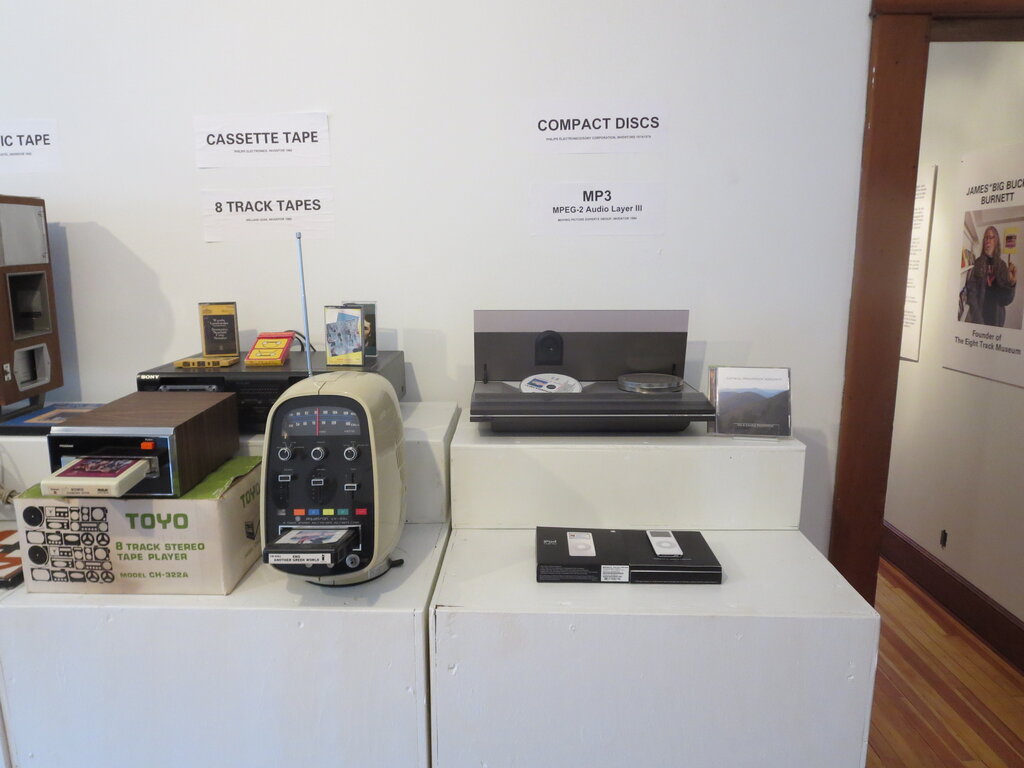
The most important was album sales. For most of the 20th century, the primary product was a physical object: a vinyl record, a cassette tape, or a CD. Fans bought music by the album, and the money from each sale was split between the retailer, distributor, record label, and finally, the artist. This was the engine that powered the entire industry.
Live performances were another crucial source of income. Touring not only promotes album sales but is a business in itself. Revenue comes from ticket sales, which is shared between the artist, promoter, and venue. For many artists, playing live is both a passion and a primary way to connect with their audience and earn a living.
Finally, there's merchandising. Walk around at a concert, and you'll see t-shirts, posters, and all sorts of branded items for sale. This "merch" is a direct-to-fan revenue stream that allows artists to build their brand and gives fans a tangible connection to the music they love. It's more than just a souvenir; it's a significant part of the financial picture.
Now, let's test your knowledge of how the traditional music industry operates.
In the traditional music industry model, what is the primary function of a record label?
Who is responsible for shaping a song's sound, guiding the artist's performance, and overseeing the technical recording process?
These players and revenue streams formed the foundation of the music business for generations. While technology has changed how we listen to music, this traditional structure is still influential today.