Music Industry and the Creator Economy
Music Industry Basics
The Music Industry Machine
At its core, the music industry is split into two main businesses: recorded music and music publishing. Think of it like a movie. The final film you watch—with the actors, direction, and special effects—is one product. The screenplay it was based on is another. In music, the final recording is called the master recording, while the underlying song (the melody and lyrics) is called the composition.
Record labels traditionally manage the master recording. They sign artists, fund the recording process, handle marketing, and distribute the finished product. They own the master recording copyright, and the artist typically earns royalties from its sales.
Music publishers, on the other hand, manage the composition. They work with songwriters to license the use of their songs in various formats. This could be for a recording by another artist, a movie soundtrack, or a commercial. The publisher and the songwriter share the income generated from the composition copyright.
This fundamental split is why you might hear about artists fighting for ownership of their "masters." Owning the master recording gives them control over the specific recording of a song, a valuable asset.
How the Money Flows
With this structure in mind, we can look at how money has traditionally been made. For the recorded music side, revenue came from selling copies of the master recording.
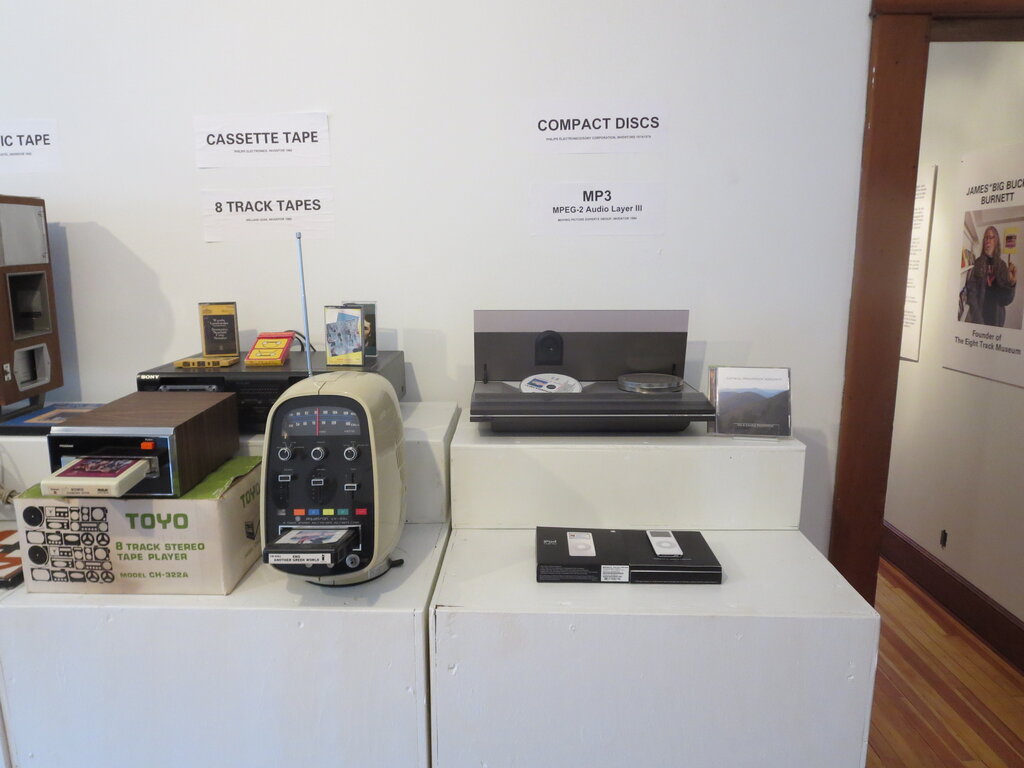
For decades, this meant physical sales: vinyl records, cassettes, and CDs. When you bought an album at a store, the money was split between the retailer, the distributor, the record label, and the artist. Then came digital downloads from platforms like iTunes, which replaced a physical product with a digital file but kept a similar per-unit sales model.
Streaming services like Spotify and Apple Music changed the game by shifting from an ownership model to an access model. Instead of selling individual copies, they sell subscriptions or play ads, and then pay out tiny fractions of a cent per stream to the rights holders (the record label).
The publishing side generates money differently. Every time a composition is used publicly, the songwriter and publisher are owed a royalty. This includes:
- Performance Royalties: When a song is played on the radio, on TV, in a restaurant, or performed live at a concert.
- Mechanical Royalties: When a copy of the song is made. Originally for player pianos, this now applies every time a song is sold on CD, downloaded, or streamed.
- Synchronization (Sync) Royalties: When a song is licensed for use in a visual medium, like a film, TV show, or video game.
This is too complex for publishers to track alone. That's where Performance Rights Organizations (PROs) come in.
PROs like ASCAP, BMI, and SESAC in the United States act as intermediaries. They collect performance royalties from thousands of venues and broadcasters and distribute them to their member songwriters and publishers.
The Key Players
Understanding these roles and revenue streams is key. The traditional music industry is a web of specialized players, each with a specific function in bringing music from an idea to your ears and ensuring everyone gets paid along the way.
| Stakeholder | Primary Role | Key Revenue Stream |
|---|---|---|
| Artist | Performs the music for a recording. | Royalties from record sales/streams. |
| Songwriter | Creates the composition (melody & lyrics). | Royalties from public performances, sales, and licenses. |
| Record Label | Funds, markets, and distributes master recordings. | Revenue from record sales/streams. |
| Music Publisher | Manages and licenses song compositions. | A share of the songwriter's royalties. |
| PRO | Collects and distributes performance royalties. | Administrative fees on collected royalties. |
This structure has been the bedrock of the industry for a century. While new technologies are changing how these players interact, the fundamental concepts of master recordings, compositions, and royalties remain.
What is the fundamental difference between a "master recording" and a "composition" in the music industry?
Which organization is primarily responsible for managing the composition and licensing its use in various formats?