Music Industry and the Creator Economy
Music Industry Overview
The Music Machine
Before a song reaches your ears, it travels through a complex network of businesses, each taking a piece of the pie. The traditional music industry was built on a few core pillars, each with a specific job: finding talent, funding recordings, manufacturing products, and getting those products to the public.
Think of it like building a car. An artist might have the initial design and the engine (the song), but they need a factory to build it, a marketing team to create commercials, and a network of dealerships to sell it. In music, record labels, publishers, and distributors play these roles.
Record Labels as Investors
At the center of the industry traditionally stood the record label. Their primary role is to act as a high-risk investment bank for musicians. Labels scout for new talent through their Artists & Repertoire (A&R) departments. Once an artist is signed, the label fronts the money for everything needed to create a professional album.
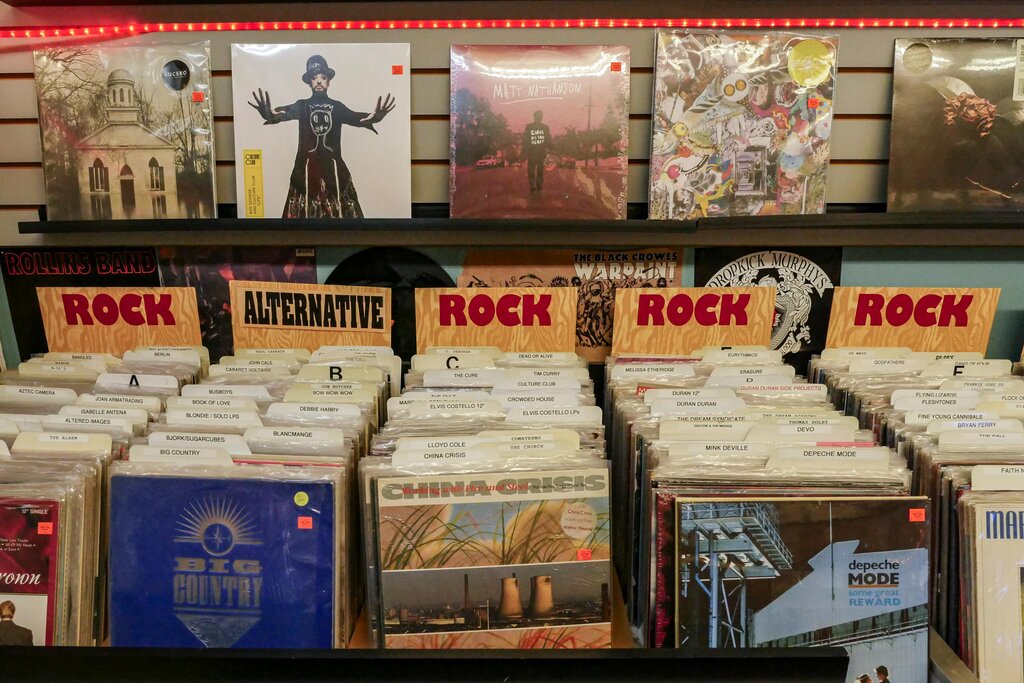
This includes paying for studio time, hiring producers, engineers, and session musicians. They also handle the manufacturing of physical media like vinyl records and CDs, and design the album art. It's a huge upfront cost, and the label is betting they'll earn it back, and much more, through album sales.
After the music is recorded, the label's marketing and promotion teams take over. Their job is to create a buzz, secure radio airplay, get music videos on television, and arrange press interviews. They build the artist's image and brand.
The Two Copyrights in a Song
Every piece of recorded music actually contains two separate, valuable copyrights. Understanding this split is key to understanding how everyone gets paid. The first copyright is for the song itself, and the second is for the recording of that song.
| Copyright Type | What It Covers | Typically Owned By |
|---|---|---|
| Composition | The underlying melody and lyrics of a song. | The Songwriter and their Music Publisher |
| Master Recording | A specific recorded performance of that song. | The Record Label that financed the recording |
So, when you listen to Aretha Franklin's version of "Respect," you're hearing two things. The composition was written by Otis Redding, so he and his publisher own the rights to the song's melody and lyrics. The master recording, however, the iconic version sung by Aretha, was financed by her record label, so they own that specific sound recording.
Publishers and Royalties
While record labels focus on the master recording, music publishers work with the composition. A publisher's job is to find opportunities for the songs in their catalog to be used and to collect the money generated.
This income comes in the form of royalties, which are payments made for the right to use a copyrighted work.
royalty
noun
A payment made to the legal owner for the use of property, especially patents, copyrighted works, or natural resources.
There are two main types of royalties that publishers collect:
- Mechanical Royalties: These are generated every time a copy of the song is made. In the traditional model, this meant a payment for every vinyl record pressed or CD manufactured.
- Performance Royalties: These are paid whenever a song is performed publicly. This includes radio broadcasts, TV shows, commercials, and even music played in a restaurant or sports stadium.
Organizations like ASCAP, BMI, and SESAC in the U.S. track these public performances and collect the royalties on behalf of publishers and songwriters.
Getting Music to the Masses
Once an album was recorded, marketed, and manufactured, it needed a way to get into the hands of fans. This is where distribution channels came in. Distributors acted as the wholesalers of the music world.
They would buy albums in bulk from record labels and then sell them to thousands of retail stores, from large chains to small independent shops. The distributor's network was essential; without it, a label would have no way to get its products onto shelves across the country or the world.
The final major revenue stream is live performance. For many artists, touring is a primary source of income. This ecosystem includes concert promoters who book the venues, venues themselves, and ticketing companies. Revenue is generated through ticket sales, merchandise sold at the show, and sometimes corporate sponsorships.
These interconnected pieces, from the A&R scout to the record store clerk, formed the backbone of the music industry for decades. Each played a crucial, specialized role in the journey of a song from an idea to a global hit.