Music Industry and Creator Economy Shifts
Music Industry Overview
The Music Industry Machine
For a long time, the music industry worked like a well-oiled, but complex, machine. An artist with a song needed a way to record it, manufacture it, ship it to stores, and let people know it existed. This required a team of specialists, each playing a crucial role in getting music from the creator's mind to the listener's ears.
At the heart of this process are the artists. They write, compose, and perform the music. But turning a song into a product requires significant investment and infrastructure.
This is where record labels come in. Think of them as the venture capitalists of the music world. They sign artists and fund everything from studio time to music video production. More importantly, they handle the business side: marketing, promotion, and connecting with the broader network of distributors and media outlets. In exchange for this investment and risk, labels traditionally took a large percentage of the revenue.
Once a song or album is recorded and packaged, distributors take over. They are the logistics experts, responsible for getting the physical products (like CDs and vinyl records) onto store shelves and digital files onto online platforms. They bridge the gap between the record label and the places where people actually buy music.
Following the Money
In this traditional model, money flowed back up the chain. For decades, the primary revenue stream was physical sales. People bought vinyl records, cassette tapes, and later, CDs. Each sale generated money that was split between the retailer, distributor, label, and finally, the artist.
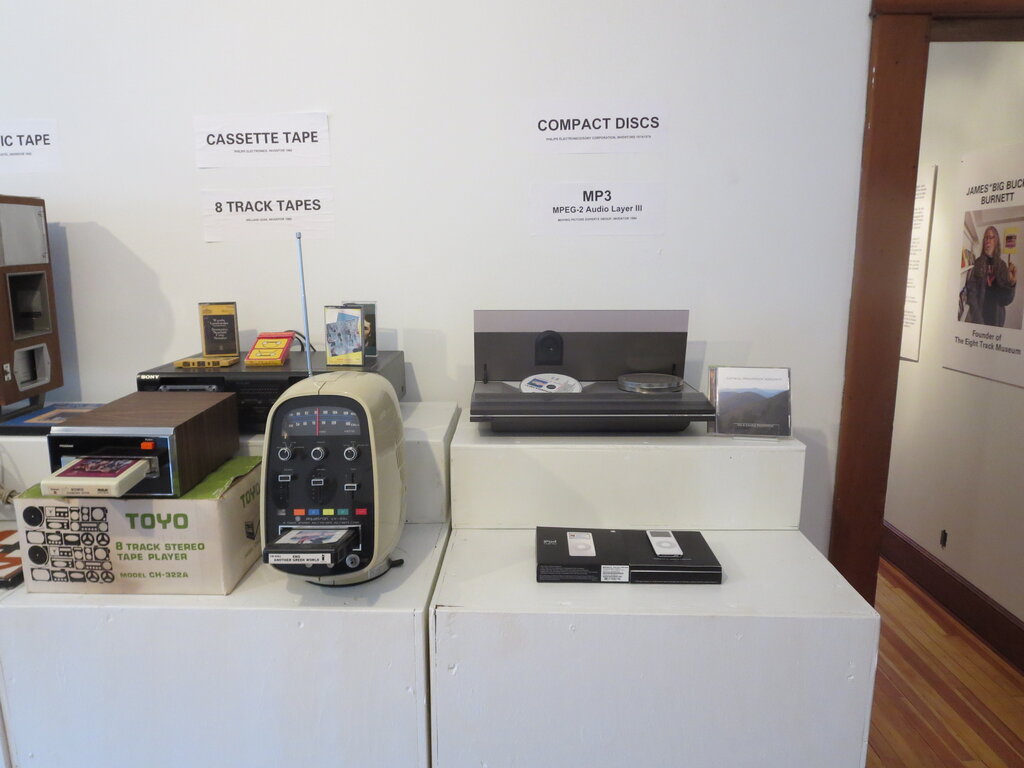
The rise of the internet introduced digital downloads. Platforms like iTunes allowed consumers to buy individual songs or albums directly on their computers and MP3 players. While the format changed, the basic business model remained similar, with revenue shared among the platform, label, and artist.
Another major source of income has always been live performances. Concert tours, festival appearances, and ticket sales are a huge part of the industry. For many artists, especially in the modern era, touring and selling merchandise at shows is their most significant and direct source of income.
The three main traditional revenue streams are physical sales, digital downloads, and live performances.
The Rise of the Creator Economy
Technology didn't just change the format of music; it changed the entire structure of the industry. The internet and social media have given artists the power to bypass the traditional gatekeepers. This shift has given rise to the creator economy.
In this new model, artists can connect directly with their audience. They can release music on their own, build a fanbase through social platforms, and monetize their work without needing a major record label. The tools for recording, distributing, and promoting music are now more accessible and affordable than ever before.
As the culture of creation spreads towards audiences themselves, it is these sorts of companies that have the ability to play the most transformative role in the future of music creation.
This direct connection changes the relationship between artists and fans. Instead of being passive consumers, fans can become active supporters and part of a community built around an artist's work. It opens up new ways for artists to earn a living, from crowdfunding projects to offering exclusive content to their biggest supporters.
This doesn't mean the old model is gone. Record labels and traditional structures still play a massive role. But the creator economy provides an alternative path, giving more power and flexibility to the artists themselves.
In the traditional music industry model, what was the primary role of a record label?
In the traditional model focused on physical sales, who was typically the last in the chain to receive a share of the revenue from a sale?
The music industry continues to evolve, but understanding these core roles and revenue models provides a solid foundation for seeing where it's headed next.