Music Industry and Creator Economy Shifts
Music Industry Overview
The Music Business Machine
Before you could stream any song in seconds, getting music to the masses was a massive undertaking. The music industry evolved from publishers selling sheet music in the 19th century to a global business built on a new invention: the phonograph. For the first time, a musical performance could be captured and sold as a physical object.
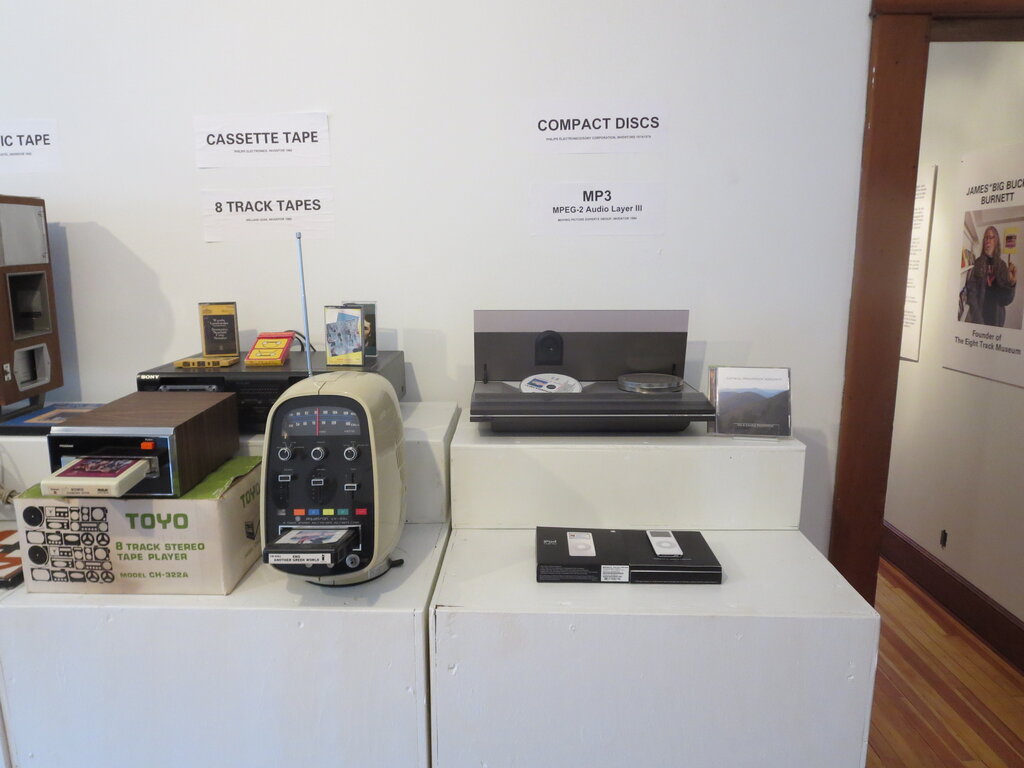
This created a complex system of creators, producers, and sellers. Understanding this traditional structure is key to seeing how the industry works today. Think of it as a machine with several essential, interconnected parts, each with a specific job to do.
Meet the Players
At the heart of the industry is the artist. They write the songs, sing the vocals, and play the instruments. The artist is the creative engine. But turning that creativity into a career requires a team.
Enter the record label. Labels are like talent incubators and investment banks rolled into one. Their A&R (Artists & Repertoire) departments scout for new talent. Once an artist is signed, the label invests money to record an album, manufacture physical copies, and handle marketing and promotion. In exchange, the label typically owns the master recordings and takes the largest share of the profits from their sales.
While the label focuses on the recording, the music publisher focuses on the song itself—the melody and lyrics that make up the composition. A publisher's job is to get the song placed in movies, commercials, or recorded by other artists. They collect royalties whenever the composition is used and split them with the songwriter.
royalty
noun
A payment made to the legal owner for the use of property, especially patents, copyrighted works, or franchises.
Finally, distributors handle the logistics. In the age of physical media, their role was crucial. Distributors are the link between the record label and the retail stores. They manage the warehousing and shipping of CDs and vinyl records to ensure they end up on shelves where fans can buy them.
How the Money Was Made
In the traditional model, revenue came from a few primary sources. The biggest driver was physical sales. People went to record stores and bought vinyl albums, cassettes, and later, compact discs (CDs). This was the industry's bread and butter for decades. For every album sold, the money was split between the retailer, distributor, record label, publisher, and artist, with the label taking the largest cut.
A Gold certification from the RIAA means an album has sold 500,000 copies, while Platinum means 1 million copies have been sold.
As technology shifted, digital downloads emerged as a new revenue stream. Services like Apple's iTunes Store allowed consumers to purchase and own digital files of songs or full albums. While this shifted the format from a physical object to a file, the business model was similar: a one-time payment in exchange for ownership of the music.
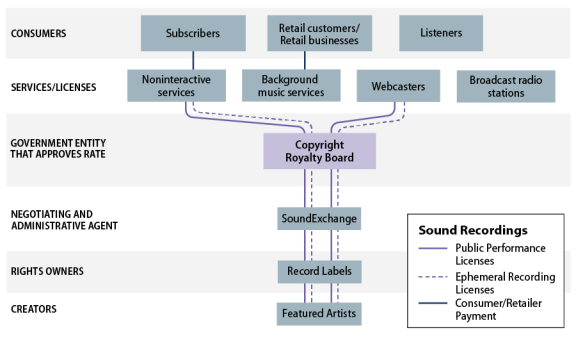
The other major source of income has always been live performances. Concerts, tours, and festival appearances generate revenue through ticket sales. For many artists, especially those who aren't multi-platinum sellers, touring is their most significant source of personal income. This money comes directly from the fans who pay to see them perform, though it's also shared with promoters, venues, and crew.
Music licensing, performance, teaching, and music-related byproducts have become essential elements of a career strategy.
These three pillars—physical sales, digital downloads, and live shows—formed the financial foundation of the music industry for many years. Each represented a different way to connect with fans and generate income from creative work.
Which entity in the traditional music industry is primarily responsible for managing a song's composition (the melody and lyrics) and getting it placed in movies or commercials?
In the traditional model, when a physical CD was sold, which entity typically received the largest portion of the revenue?
This traditional model set the stage for the massive shifts that would come with new technologies. But its core components—creation, promotion, distribution, and performance—are still central to the music business today.