Music Industry and Creator Economy Shifts
Music Industry Overview
The Music Ecosystem
The modern music industry is a complex web of relationships. At the center is the artist, but getting their music to your ears involves a team of specialized players. Think of it less as a simple chain and more as an interconnected ecosystem, where each part plays a crucial role in creating, distributing, and monetizing music.
Labels and Publishers
Two of the most important players are record labels and music publishers, and they handle different things. A record label is interested in a specific recording of a song. They invest in the artist to record music, and then they focus on marketing and selling that recording. They own the master recording, often called the "master."
A music publisher, on the other hand, is concerned with the song itself—the melody and lyrics, or what’s known as the composition. They work to get the song used in various places, like movies, commercials, or covered by other artists. They own and administer the copyright for the composition.
Labels deal with the recording. Publishers deal with the song.
Major labels like Universal Music Group, Sony Music Entertainment, and Warner Music Group operate as global powerhouses, signing artists and managing massive catalogs. Independent labels, or "indies," often work with niche genres and have more artist-friendly deal structures. Publishers perform a similar role for songwriters, ensuring they get paid whenever their composition is used.
The Streaming Revolution
For decades, the industry's business model was based on selling physical copies of music—vinyl records, tapes, and CDs. The internet changed that. First, digital downloads from stores like iTunes shifted the model from albums to singles. Then came streaming.
Platforms like Spotify, Apple Music, and YouTube Music fundamentally altered how we consume music. Instead of owning a copy, listeners pay for access to vast libraries of songs. This shift from ownership to access has become the dominant way people listen to music and the primary source of revenue for the industry.
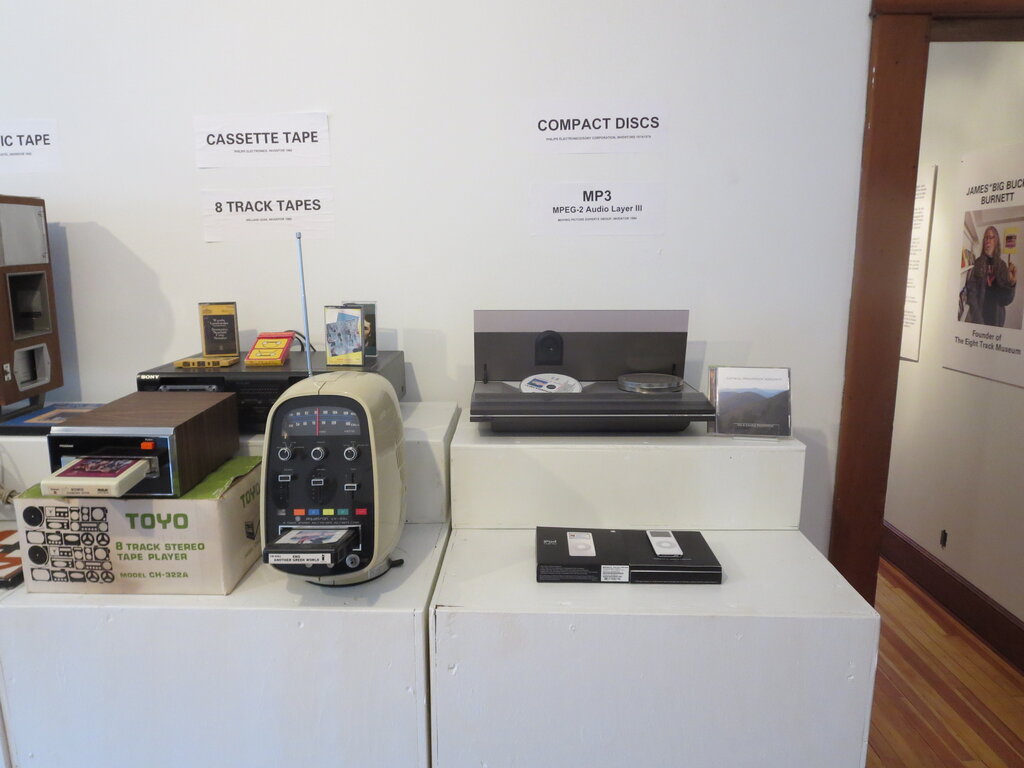
Streaming services generate money through paid subscriptions and advertising. They then pay a portion of that revenue back to the rights holders—the labels and publishers—based on the number of times their songs are played. This digital transformation has made music more accessible than ever, but it has also sparked debates about fair compensation for artists.
The digital age has significantly changed how music is consumed, promoted, and monetized.
The Power of Live Music
Even with the dominance of streaming, live performance remains a vital part of the music world. For many artists, touring is their largest source of income. Concerts, festivals, and tours are where fans connect directly with artists and where the community around the music comes alive.
The live music sector has its own set of key players. Promoters, like Live Nation and AEG, take on the financial risk of organizing tours and festivals. Venues provide the physical space for the shows, and ticketing companies manage sales. Together, they create the experiences that turn listeners into lifelong fans.
From the artist's initial idea to the song playing in your headphones or at a live show, the music industry is a collaborative machine. Each piece, from the label that funds the album to the platform that streams it, plays a part in bringing music to the world.
Ready to check your understanding?
What is the primary distinction between a record label and a music publisher?
An artist writes a new song. A record label funds the studio time to record it. The record label now owns the rights to the __________.
This ecosystem, while complex, sets the stage for how creators build their careers. Now that we've seen the major players, we can explore how artists are navigating this landscape in new ways.