Music Industry and Creator Economy Shifts
Music Industry Business Models
From Records to Streams
For decades, the music business ran on a simple model: selling physical copies of music. Artists signed with record labels, who funded the recording, manufacturing, and distribution of vinyl records, cassettes, and later, compact discs. Revenue came directly from these sales. If you wanted to hear a song, you had to buy the album.
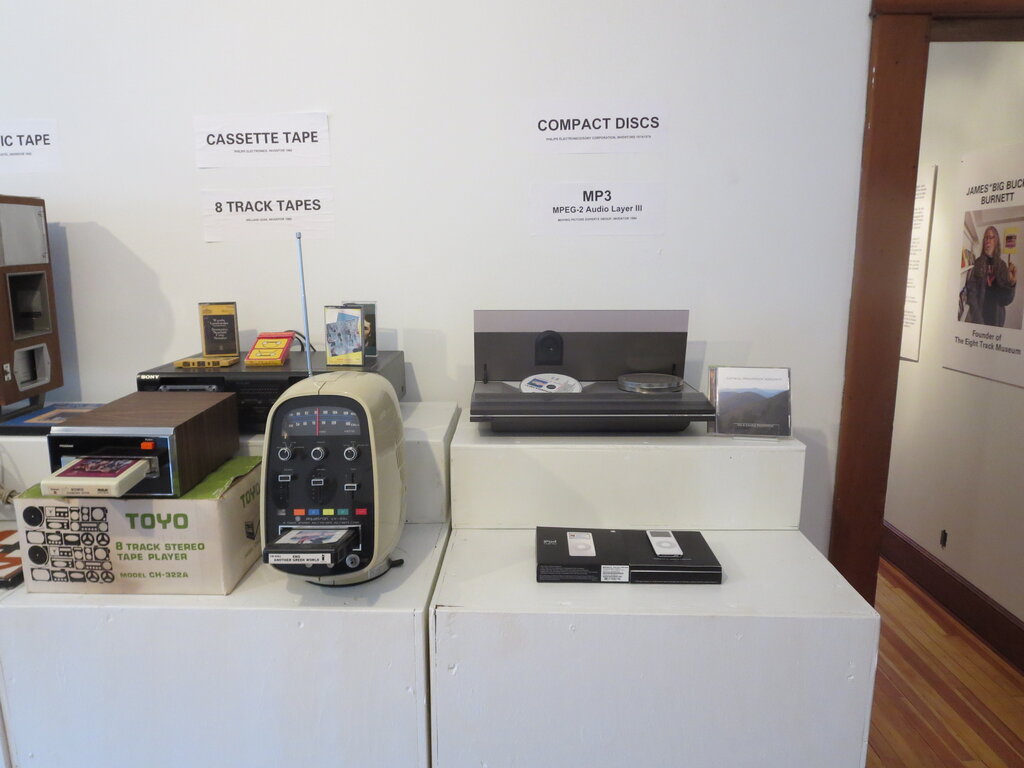
The late 1990s and early 2000s brought a seismic shift with the rise of the internet and MP3s. Digital downloads, popularized by platforms like Apple's iTunes Store, offered a new way to buy music. Instead of purchasing an entire album, listeners could buy individual songs. This unbundling changed consumption habits forever, but the core idea of ownership remained. You paid a fee and owned a digital file.
This was the first major step away from the physical product, directly linking artists to listeners through a digital storefront.
The Streaming Revolution
Today, the dominant model is streaming. Services like Spotify, Apple Music, and YouTube Music have replaced the concept of ownership with access. Listeners pay a monthly subscription fee for access to a massive library of music, rather than buying individual songs or albums. This shift has fundamentally altered how the industry generates revenue and how artists get paid.
The digital age has significantly changed how music is consumed, promoted, and monetized.
Instead of direct sales, revenue is generated from subscription fees and advertising. This pool of money is then distributed to rights holders, including artists, labels, and publishers, based on the number of streams their music receives. The exact value of a single stream is tiny and varies, making volume the key to earning significant income.
Who Gets Paid and How
When a song is played on a streaming service, the money doesn't go straight to the artist. It flows through a complex system of rights holders. Two main types of copyrights are involved for every song: the master recording (the actual audio file) and the composition (the underlying melody and lyrics).
- Record labels typically own the master recording. They invest in artists' careers, handling marketing, promotion, and distribution in exchange for a majority share of the master recording revenue.
- Music publishers represent the songwriters and own the composition. They work to get songs placed in movies, commercials, and other media, and they collect royalties on behalf of the songwriter.
For artists signed to a major label, the label collects the streaming royalties for the master recording and pays the artist a small percentage, often after recouping its initial investment. Songwriters receive their share through their publisher.
Independent Artists
The digital era has also empowered artists to bypass the traditional label system. Independent artists can now use distribution services like DistroKid, TuneCore, or CD Baby to upload their music directly to all major streaming platforms for a small fee.
In this model, the artist retains full ownership of their master recordings and keeps a much larger percentage of the royalties, often 100% after the distributor's fee.
While this path offers more control and a higher revenue share, it also means the artist is responsible for all marketing, promotion, and funding. Success as an independent artist requires not just musical talent, but also significant entrepreneurial effort to build an audience and manage a business.
Let's test your understanding of these business models.
What is the primary difference between the business model of digital downloads (like the early iTunes Store) and modern streaming services (like Spotify)?
For any given song, what are the two distinct types of copyrights that generate royalties?
Understanding these foundational models is key to seeing how money flows through the music industry and where different players fit in.