Music Industry and Creator Economy
Music Industry Overview
From Records to Streams
Not long ago, owning music meant owning a physical object. You'd buy a vinyl record, a cassette tape, or a CD. Your collection lived on a shelf. This model was straightforward: artists and labels produced music, and fans bought physical copies.
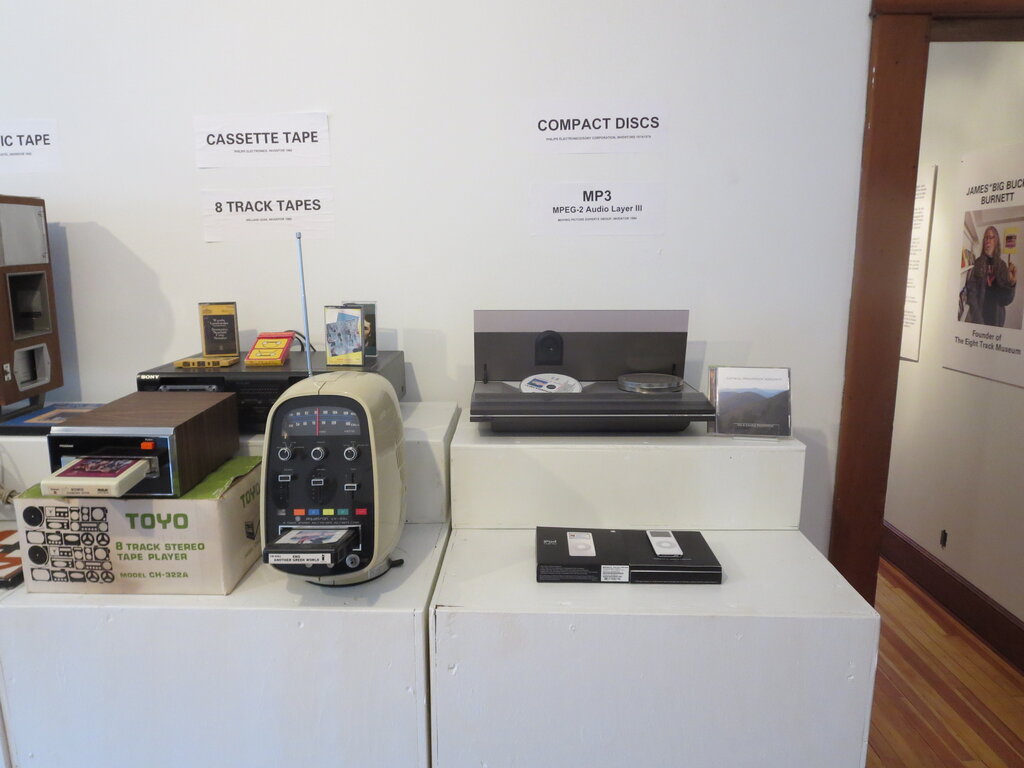
The internet changed everything. First came digital downloads, allowing people to buy individual songs or albums without a physical disc. Then, streaming services arrived and became the dominant way we listen to music. Instead of owning a copy, listeners pay for access to vast libraries of songs.
Following the Money
This shift dramatically reshaped the industry's finances. In 2024, the global recorded music market hit $29.6 billion in revenue. Streaming was the powerhouse, accounting for 69% of that total.
But where does all that money go? The path from a listener's subscription fee to an artist's pocket is complex. A single stream generates a tiny fraction of a cent. This money is pooled and then distributed based on a variety of factors.
The digital age has significantly changed how music is consumed, promoted, and monetized.
The streaming platform takes its cut first. The remaining revenue goes to the rights holders, which typically include the record label, the publisher (who represents the songwriter), and finally, the artists and songwriters themselves. The label's share is usually the largest, covering costs like marketing, production, and distribution.
The Artist's Dilemma
While streaming offers incredible reach, allowing artists to connect with a global audience instantly, monetization remains a major challenge. The per-stream payout is incredibly low. An artist needs millions of streams just to see a meaningful return.
For many musicians, streaming revenue alone is not enough to make a living. It has become more of a promotional tool than a primary income source.
This reality forces artists to find other ways to earn income. They rely more heavily on touring, merchandise sales, and licensing their music for use in films, TV shows, or commercials. The challenge today is not just making great music, but building a diverse business around it.
According to the text, what was the primary source of revenue for the global recorded music market in 2024?
When revenue is generated from a single stream, who typically gets paid first from the collected pool of money?
This new landscape requires artists to be more entrepreneurial than ever, navigating a system where exposure is plentiful but direct compensation is harder to secure.