Music Festival Security Management
Introduction to Music Festival Security
More Than Just Music
The energy at a music festival is electric. Thousands of people gather to share an experience, surrounded by lights, sound, and a powerful sense of community. But beneath the surface of this vibrant, temporary world is a complex, carefully planned operation designed to keep everyone safe.
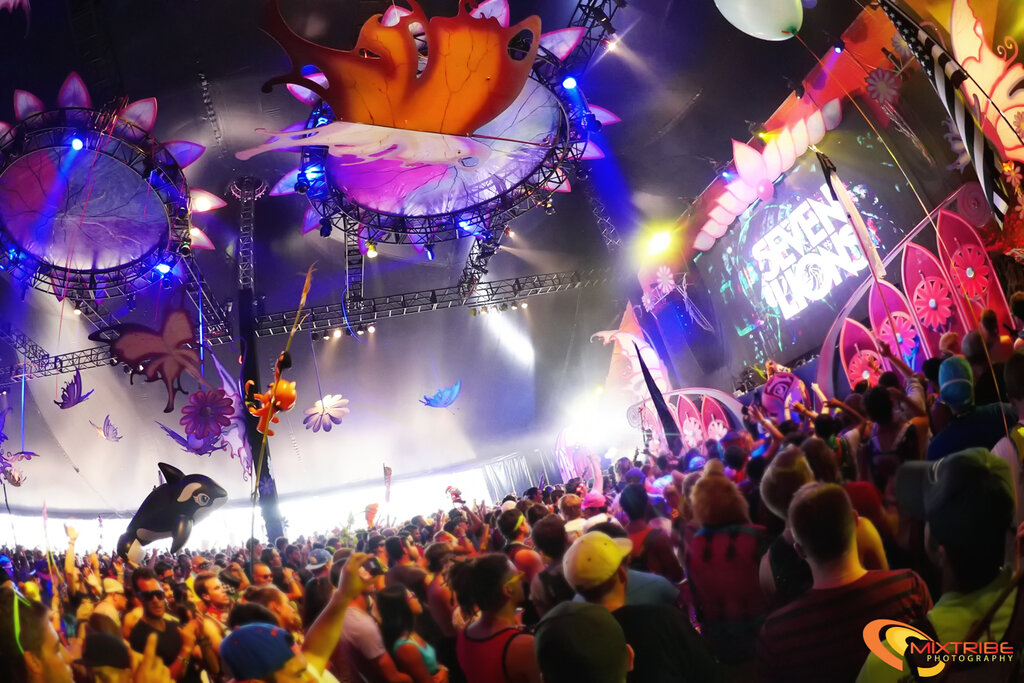
Music festival security is far more than just guards at the gate. It's a comprehensive system that involves months of planning, collaboration between different agencies, and a deep understanding of crowd dynamics. The goal isn't just to react to problems, but to prevent them from ever happening. Every detail, from the placement of water stations to the routes for emergency vehicles, is considered long before the first band takes the stage.
Spotting Trouble Before It Starts
The foundation of any good security plan is a thorough risk assessment. This is essentially a structured way of asking, "What could go wrong?" Planners imagine all sorts of scenarios, from the likely to the extreme. This could include severe weather like a sudden thunderstorm, medical emergencies in the crowd, technical failures with the stage equipment, or security threats like theft.
Thinking about worst-case scenarios isn't about being negative. It's about being prepared so everyone can have the best possible experience.
Festivals present unique challenges compared to permanent venues like stadiums. They are essentially temporary cities built in open fields or parks, often with limited infrastructure. Organizers have to consider the terrain, access points for thousands of people, and how to manage large, dynamic crowds spread across multiple stages and attractions. The sheer scale and temporary nature of the event create a constantly shifting environment where anything can happen.
Planning for Safety
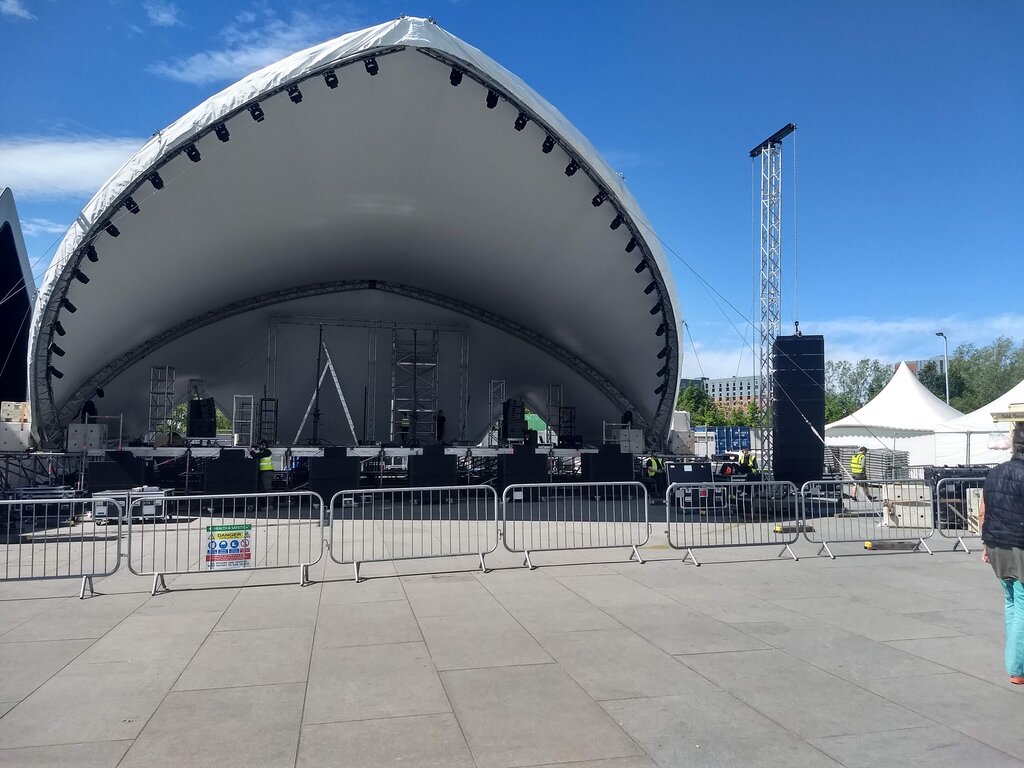
Because of these challenges, security planning must be proactive, not reactive. A proactive approach focuses on prevention. This means designing the festival layout to encourage smooth crowd flow and prevent dangerous bottlenecks. It involves setting up clear signage so people can easily find medical tents, exits, and water stations.
It also means establishing a clear chain of command and robust communication systems. Security staff, medical teams, and event organizers need to be in constant contact. This planning extends to coordinating with local emergency services, like police, fire departments, and ambulance crews, to ensure a swift and effective response if a major incident occurs.
This constant cycle of planning, implementing, and adapting is what makes a large-scale event possible. The ultimate aim is to create an environment where security measures are so well-integrated that they are almost invisible, allowing attendees to focus on the music and the experience.
What is the primary goal of a comprehensive music festival security plan?
What is the foundational first step in creating a music festival's security strategy?