Mushroom Antibiotics Home Cultivation
Introduction to Mycology
The Hidden Kingdom of Fungi
Often mistaken for plants, fungi belong to a kingdom all their own. They are a diverse group of organisms that includes everything from the mushrooms on your pizza to the yeast that makes bread rise, and the mold that might grow on it later. The study of these fascinating life forms is called mycology.
Mycology
noun
The scientific study of fungi.
Unlike plants, fungi don't perform photosynthesis. Instead, they are heterotrophs, meaning they get their nutrients by absorbing them from their surroundings. They are more closely related to animals than to plants, a fact that surprises many people. This fundamental difference in how they get energy shapes their structure, life cycle, and role in the environment.
Building Blocks of Fungi
At a microscopic level, most fungi are made of tiny, thread-like structures called hyphae. These filaments grow and branch out, forming a complex, interwoven network called a mycelium. Think of a mushroom as the fruit of an apple tree; the mycelium is the vast, hidden tree itself, spreading through soil or decaying wood.
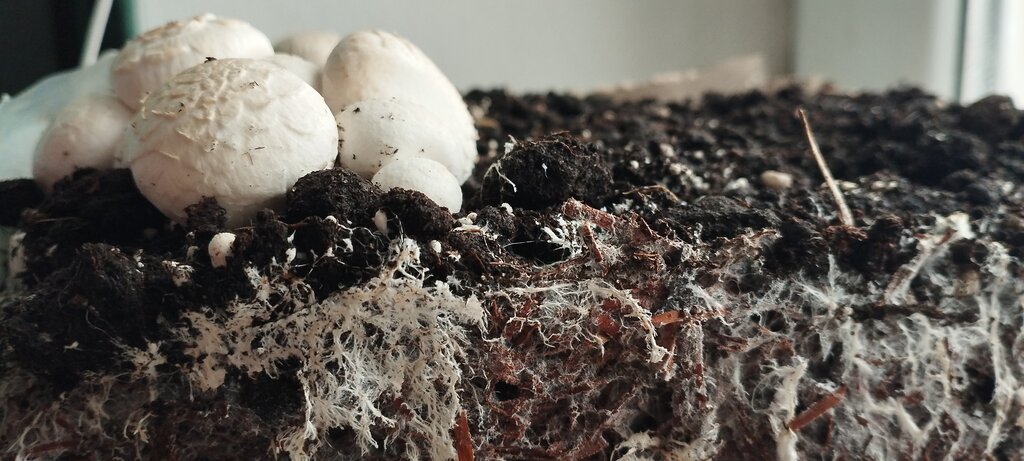
A key feature of the fungal cell is its cell wall. While plant cell walls are made of cellulose, fungal cell walls are primarily composed of chitin. This is the same tough, flexible material that makes up the exoskeletons of insects and crustaceans.
Hyphae → Mycelium → Fungus. The mycelium is the main body of the fungus, while the visible part (like a mushroom) is often just the reproductive structure.
Life Cycles and Reproduction
Fungi can reproduce in two main ways: asexually and sexually. Asexual reproduction is common and allows fungi to spread quickly. It can happen through budding, where a new cell grows out of the parent cell, or through the production of asexual spores. These spores are like tiny seeds that can travel through air or water to find a new place to grow.
Sexual reproduction involves the fusion of hyphae from two different parent fungi. This process creates genetic diversity and produces sexual spores, which are often tougher and can survive harsh conditions before germinating.
Because fungi are actually quite closely related to animals, any drugs that can interfere with a fungus’ growth and development are quite often toxic to us,
Guardians of the Ecosystem
Fungi are essential to life on Earth. Their primary role is as decomposers. They break down dead organic material—like fallen leaves, logs, and dead animals—and return vital nutrients to the soil. Without fungi, we'd be buried under mountains of dead stuff.
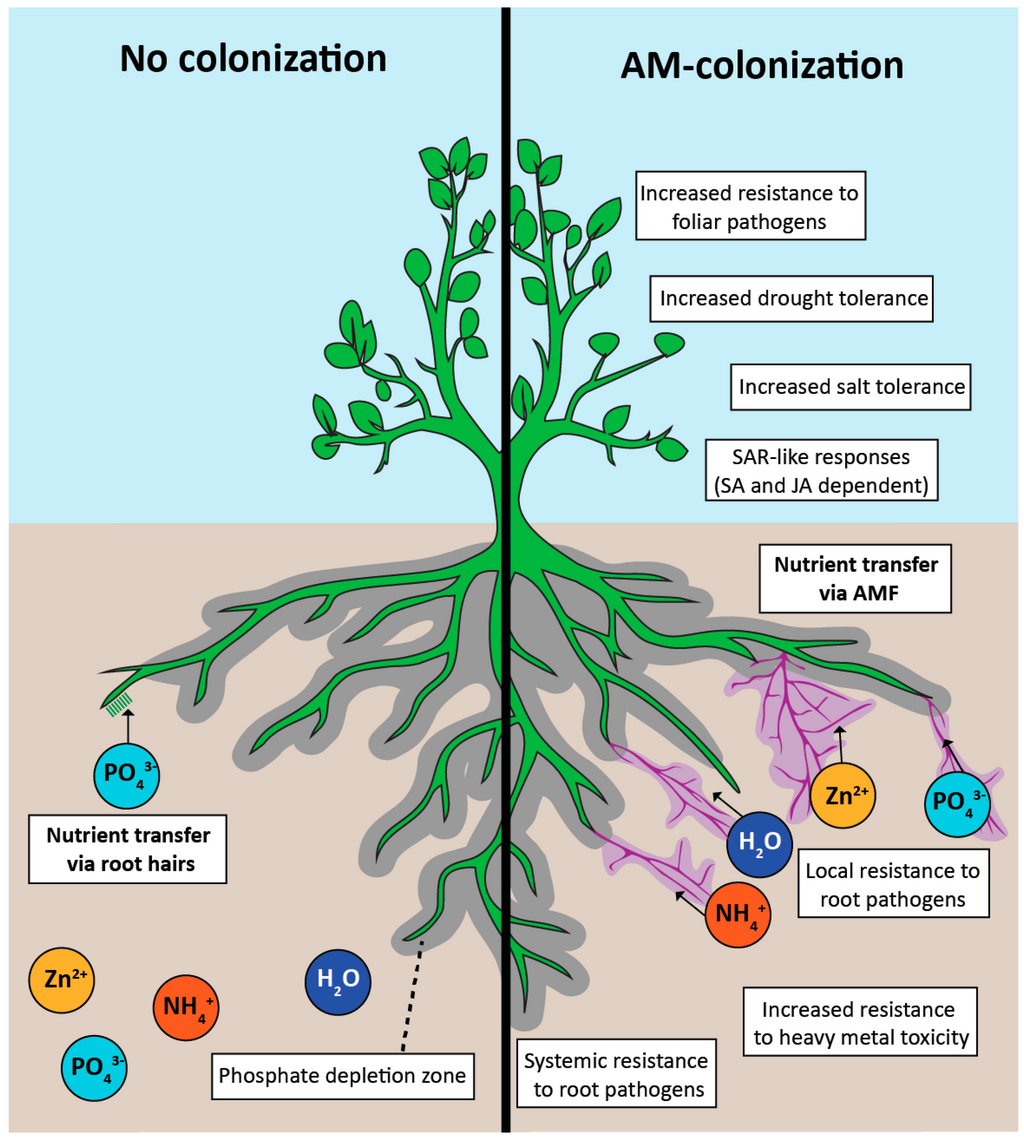
Many fungi also form symbiotic relationships with other organisms. A classic example is mycorrhizae, a partnership between fungi and plant roots. The fungus helps the plant absorb water and nutrients from the soil, and in return, the plant provides the fungus with sugars produced through photosynthesis. Lichens are another example, a collaboration between a fungus and an alga or cyanobacterium.
Of course, not all fungi are helpful. Some are parasites, causing diseases in plants and animals, including humans. Fungal infections like athlete's foot or ringworm are common, while others can be much more serious.
Fungi are broadly classified into several major groups, or phyla. Some of the most well-known include:
- Ascomycota (Sac Fungi): This is the largest phylum, including yeasts, morels, truffles, and many molds.
- Basidiomycota (Club Fungi): This group includes most familiar mushrooms, as well as rusts and smuts.
- Zygomycota: These are often fast-growing molds, like the black bread mold Rhizopus stolonifer.
- Chytridiomycota (Chytrids): Mostly aquatic fungi, some of which are notable for being parasites of amphibians.
Let's test your knowledge of the fungal kingdom.
Unlike plants, which are autotrophs, fungi are heterotrophs. What does this mean?
The cell walls of fungi are primarily made of chitin.
This foundational knowledge of what fungi are, how they are structured, and their roles in the world is the first step toward understanding their more specific applications, like producing antibiotics.