Musculoskeletal Anatomy for Informed Training
Musculoskeletal System Basics
The Body's Framework
Your body's ability to stand, walk, and move starts with its internal framework: the skeleton. Bones provide the rigid structure that supports your weight and protects vital organs, like how your skull guards your brain and your ribs shield your heart and lungs. But they aren't just static scaffolding. Bones are living tissues that are constantly changing.
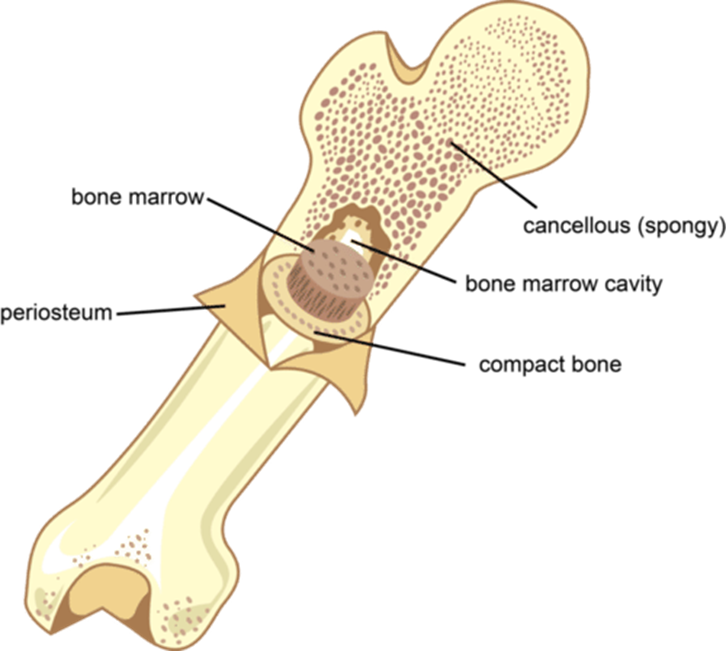
Every bone has two main types of tissue. The hard, dense outer layer is called compact bone, which provides strength and protection. Inside, you'll find spongy (or cancellous) bone. It looks like a honeycomb and, despite its name, is very strong. This structure helps absorb shock and makes bones lighter than if they were solid.
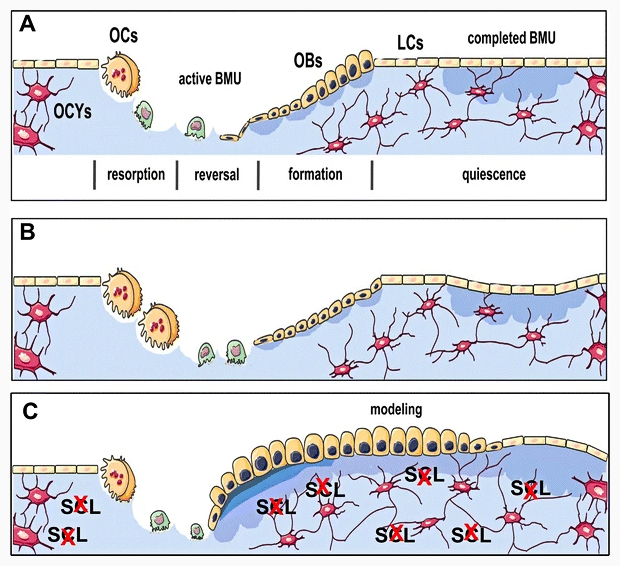
Your bones are in a perpetual state of renovation, a process called remodeling. Two special types of cells are responsible for this upkeep. Osteoclasts break down old, worn-out bone tissue, while osteoblasts build new bone to replace it. This cycle ensures your skeleton stays strong and can repair itself after an injury.
Movers and Connectors
Bones provide the structure, but muscles provide the force to move it. Skeletal muscles are the engines of your body. They work by contracting, or shortening, which pulls on the bones they're attached to. Think of a puppeteer pulling strings to make a marionette move, your nervous system sends signals to your muscles, telling them when to pull and create movement.
Muscles can only pull; they can't push. This is why they often work in pairs. For example, your bicep bends your elbow, and your tricep straightens it.
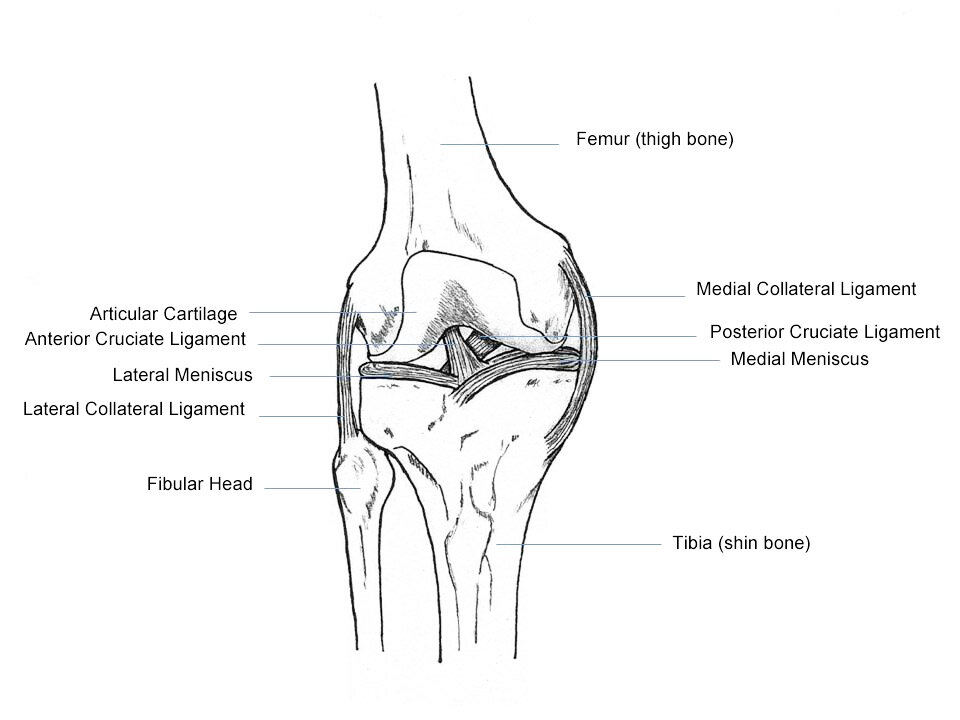
Muscles don't attach directly to bone. Instead, tough, flexible cords called tendons anchor them. Ligaments are similar, but they have a different job. They are strong, fibrous bands that connect bones to other bones, providing stability to joints.
Tendon
noun
A flexible but inelastic cord of strong fibrous collagen tissue attaching a muscle to a bone.
Ligament
noun
A short band of tough, flexible fibrous connective tissue which connects two bones or cartilages or holds together a joint.
Where It All Comes Together
Joints are the crucial connection points where bones meet. They are what make the rigid skeleton mobile. Without them, movement would be impossible. Different joints allow for different types of motion, depending on their structure.
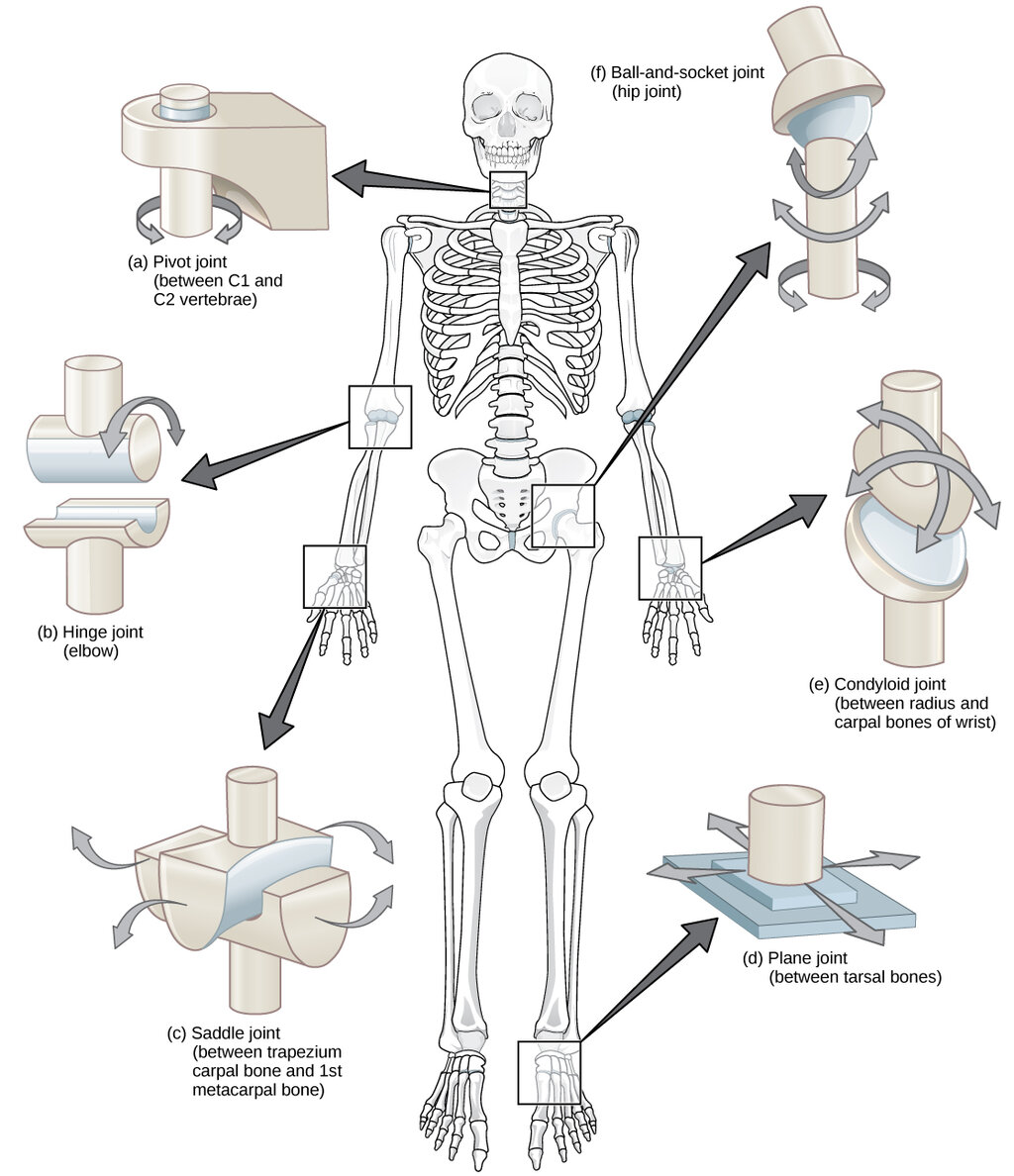
There are several types of joints, but three of the most common are:
-
Ball-and-Socket Joints: These allow the greatest range of motion. The rounded end of one bone fits into a cup-like socket of another. Your shoulder and hip are prime examples, letting you swing your arms and legs in many directions.
-
Hinge Joints: These work like the hinge on a door, allowing movement in only one direction (flexion and extension). Your elbow and knee are hinge joints.
-
Pivot Joints: These allow for rotation. One bone swivels within a ring formed by another. The joint between the top two vertebrae in your neck is a pivot joint, letting you turn your head from side to side.
This combination of bones, muscles, and joints forms a system of levers. Your brain sends a signal, a muscle contracts and pulls a tendon, the tendon pulls a bone, and the bone pivots at a joint. This coordinated action is the essence of biomechanics, allowing you to perform every movement from blinking your eye to running a marathon.
Time to check your understanding of the musculoskeletal system.
What is the primary function of the hard, dense outer layer of a bone, known as compact bone?
In the process of bone remodeling, ______ break down old bone tissue, while ______ build new bone.