Muscle Cramps and Numbness Explained
Muscle Function Basics
Your Muscle's Building Blocks
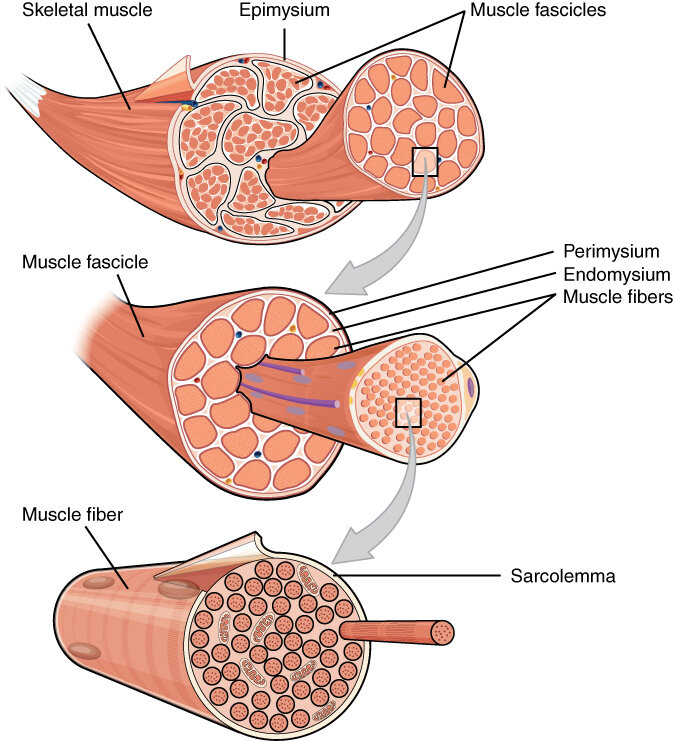
Every muscle in your body is made of thousands of tiny threads called muscle fibers. Think of them like the individual strands in a rope. When these fibers pull together, the whole muscle shortens, creating movement. But not all fibers are the same. They come in two main varieties: slow-twitch and fast-twitch.
Slow-twitch fibers are built for endurance. They contract slowly but can work for long periods without getting tired. They're what power you through a long walk or a marathon.
Fast-twitch fibers are for speed and power. They contract quickly and forcefully but fatigue just as fast. You use them when you sprint for a bus or lift a heavy weight.
Most muscles have a mix of both fiber types. The specific ratio depends on the muscle's job and your genetics. This combination allows for a wide range of movements, from delicate tasks to explosive actions.
The Spark of Action
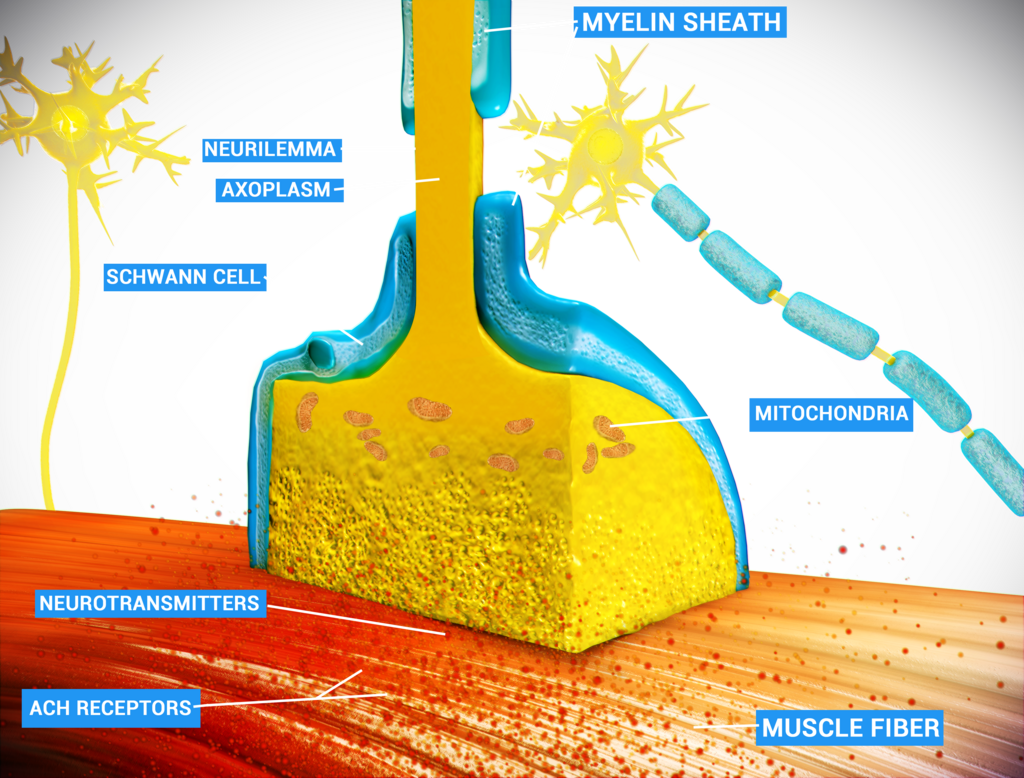
Muscles don't decide to move on their own. They wait for instructions from your nervous system. When your brain decides to move a limb, it sends an electrical signal down a nerve. The place where the nerve ending meets the muscle fiber is a specialized connection called the neuromuscular junction.
At this junction, the nerve doesn't physically touch the muscle. There's a tiny gap called the synaptic cleft. When the electrical signal arrives at the nerve ending, it triggers the release of a chemical messenger called acetylcholine. This chemical drifts across the gap and binds to receptors on the muscle fiber, setting off a new electrical signal in the muscle itself. This is the 'go' signal for the muscle to contract.
Inside the Contraction
Once the muscle fiber receives its signal, an amazing chain of events unfolds. The electrical wave travels deep into the fiber, triggering the release of stored calcium ions. This flood of calcium is the key that unlocks the muscle's contractile machinery.
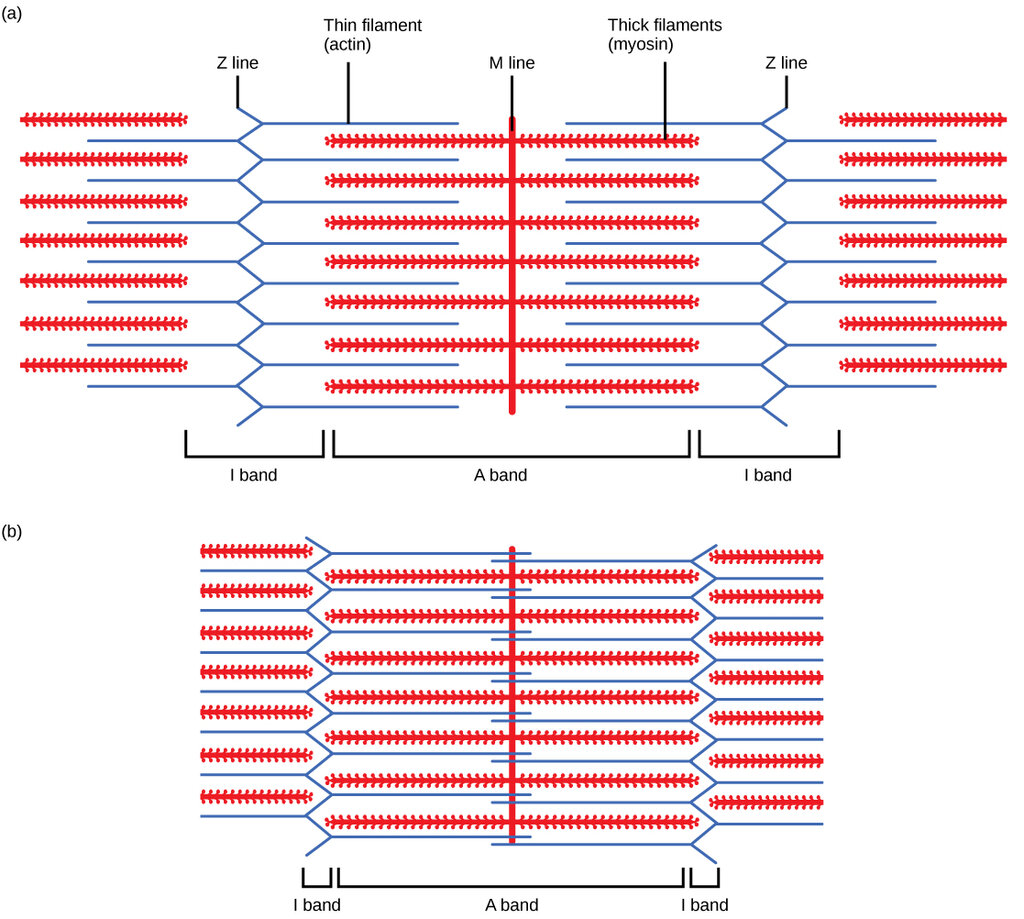
Inside each muscle fiber are even smaller structures called myofibrils, which contain overlapping filaments of two proteins: actin and myosin. In a resting state, these filaments are kept apart. But when calcium arrives, it allows the myosin filaments to grab onto the actin filaments and pull them inward. This 'sliding filament' action shortens the entire fiber, causing the contraction. When the nerve signal stops, calcium is pumped back into storage, the filaments slide apart, and the muscle relaxes.
Fueling the System
All of this signaling and contracting relies on a delicate balance of electrically charged particles called electrolytes. These minerals, dissolved in your body's fluids, are essential for muscle function.
electrolyte
noun
A mineral that carries an electric charge when dissolved in a liquid such as blood. Common electrolytes include sodium, potassium, calcium, and magnesium.
Sodium and potassium are the stars of the show when it comes to nerve and muscle signals. Cells actively pump sodium out and potassium in to create an electrical gradient, like charging a tiny battery. When a nerve or muscle fiber needs to fire, channels open up, letting the ions rush across the membrane and creating the electrical impulse. Without the right balance, these signals can't be transmitted properly.
As we saw, calcium has a direct role inside the muscle, unlocking the mechanism that allows fibers to contract. Magnesium also plays a part, helping to regulate the flow of these other ions and assisting in the relaxation of the muscle after a contraction. A proper balance of all these electrolytes is crucial for smooth, controlled movement.
Electrolytes regulate nerve function, muscle contraction, and fluid balance.
Now that you understand the mechanics of how muscles work, you have the foundation to explore what happens when things go wrong, leading to issues like cramps and numbness.