Municipal Water Purification Systems
Introduction to Water Purification
The Journey to Your Tap
When you turn on your faucet, clean water flows out. It's a simple act we rarely think about, but behind it is a massive, complex process. The water that fills our rivers, lakes, and underground aquifers isn't naturally pure enough to drink. It picks up dirt, microorganisms, and chemical pollutants from its environment.
Municipal water purification is the large-scale system that turns this raw water into safe drinking water for entire communities. It's one of the most important public health services, protecting millions from disease and ensuring our cities can thrive.
Why Water Quality Matters
Water quality isn't just about how clear the water looks. Safe drinking water must be free from harmful contaminants. These unwanted substances fall into a few main categories:
- Microbial contaminants: These are tiny living organisms like bacteria, viruses, and protozoa. If consumed, they can cause diseases such as cholera, dysentery, and giardiasis.
- Chemical contaminants: These include pesticides from farms, heavy metals from industrial waste, and byproducts from the disinfection process itself. They can lead to long-term health problems.
- Physical contaminants: This refers to sediment, silt, and other organic material suspended in the water. While not always directly harmful, they can make water cloudy and shield dangerous microbes from disinfectants.
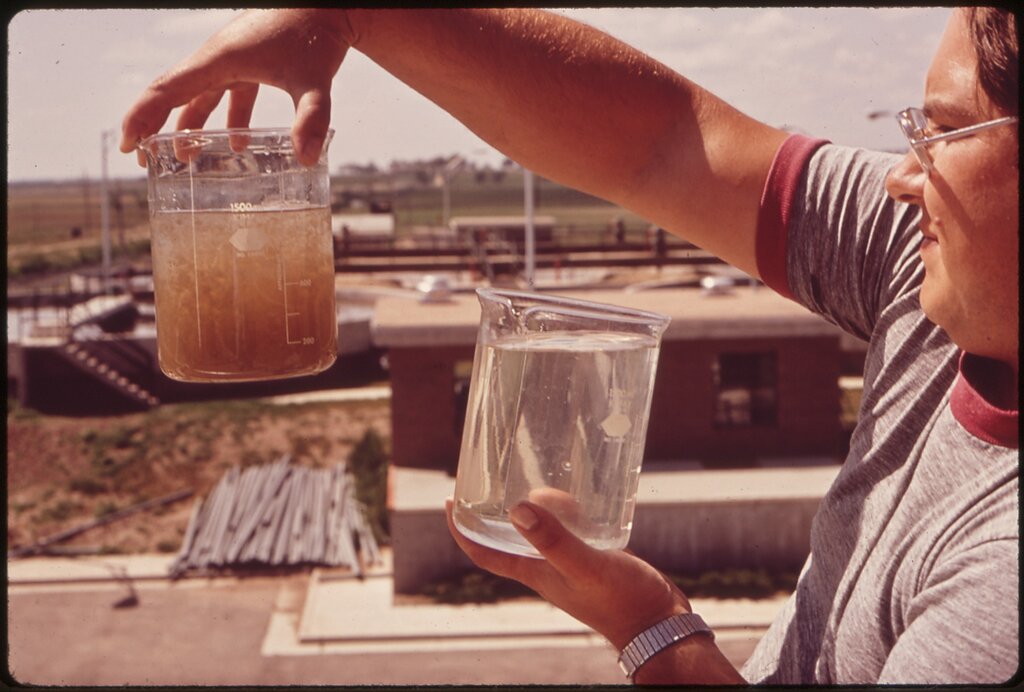
The primary goal of water treatment is to remove or neutralize these contaminants. Failure to do so can have devastating public health consequences, leading to widespread illness and outbreaks. Maintaining high water quality is a constant, essential task.
The Rules of Clean Water
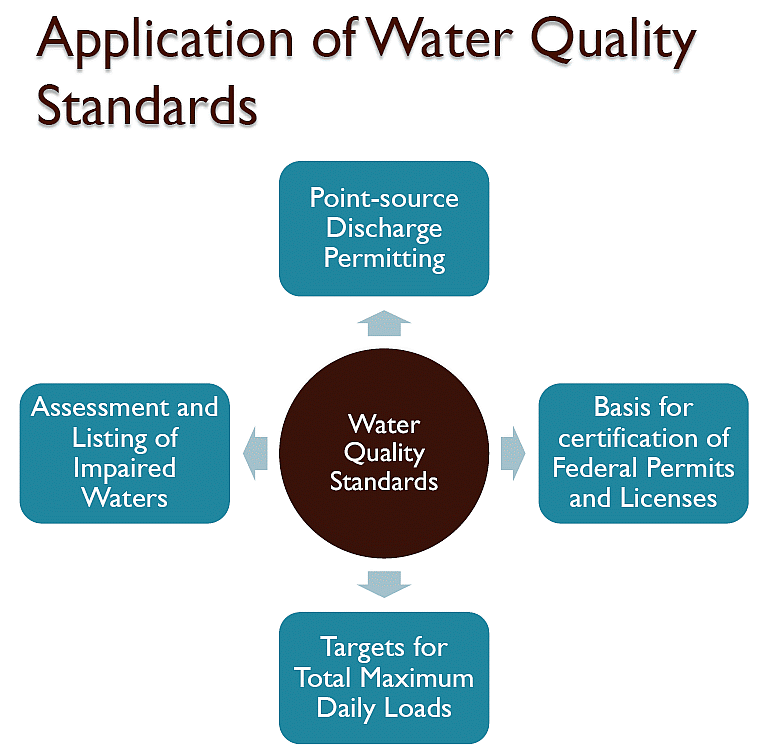
To ensure everyone has access to safe water, governments establish strict regulatory standards. In the United States, the Environmental Protection Agency (EPA) sets these rules under the Safe Drinking Water Act. These standards are legally enforceable and dictate the maximum allowable levels for more than 90 different contaminants in public drinking water.
Water treatment plants must constantly test their water to prove they are meeting these standards. This creates a system of accountability and gives the public confidence that the water flowing from their taps is safe to drink. These standards are the foundation of the entire purification process, defining the target that all treatment efforts aim to achieve.
A Bird's-Eye View of Purification
Getting water from its source to your home involves several key stages. While the specific technologies can vary, the overall journey is quite consistent.
First, operators assess the source water. They identify the origin, whether a river, lake, or reservoir, and test its initial quality. Next comes the core treatment process, where a series of physical and chemical steps remove contaminants. This typically involves making particles clump together, letting them settle out, filtering the water through materials like sand, and finally, disinfection to kill any remaining microorganisms.
Once the water is treated and meets all safety standards, it is sent into the distribution system. This is a vast network of pipes, pumps, and storage tanks that delivers the finished water to homes, schools, and businesses. Maintaining this infrastructure is just as important as the treatment itself to prevent re-contamination.
This overview sets the stage. Each part of this process, from choosing a water source to making sure the pipes to your home are clean, involves detailed science and engineering.
Now that you have a general sense of the journey, let's test your knowledge.
What is the primary goal of the municipal water purification process?
Pesticides from agricultural runoff found in a water source would be classified as which type of contaminant?
Understanding these fundamentals provides a framework for exploring the specific techniques and technologies that make modern water systems possible.