Multinational Coordination Planning
Understanding Multinational Coordination
The Global Jigsaw Puzzle
Think of a multinational organization as a giant, complex jigsaw puzzle. You have pieces in London, Tokyo, and São Paulo. Each piece is unique, shaped by its local market and culture, yet they must all fit together to create a single, coherent picture. That essential connecting force is coordination.
Coordination is the art of making sure all the different parts of a global company work together smoothly toward the same goals. It’s about aligning efforts, sharing information effectively, and ensuring that the right hand knows what the left hand is doing, even when they’re thousands of miles apart. Without it, you get duplicated work, missed deadlines, and teams pulling in opposite directions.
Common Hurdles in Global Teams
Coordinating across borders isn't easy. Teams face several hurdles that can disrupt workflow and create misunderstandings.
First, cultural differences shape everything from how people give feedback to their expectations around deadlines. A direct comment that’s considered helpful and efficient in Germany might feel blunt or rude in Japan. These unspoken rules can lead to friction if not understood.
Then there are the logistical challenges. Time zones make real-time collaboration difficult. A 9 AM meeting in New York is already late afternoon in Paris and the middle of the night in Sydney. This forces teams to rely on asynchronous communication, like email, which can slow down decision-making.
Varying communication styles add another layer of complexity. Some cultures prefer detailed, formal emails, while others thrive on quick, informal chats. Even the meaning of silence in a virtual meeting can differ, interpreted as agreement by some and disagreement by others.
Creating a Coordination Blueprint
Overcoming these hurdles requires a deliberate strategy. You can't just hope that talented people will figure it out on their own. A coordination plan acts as a blueprint, setting clear guidelines for how the global team will operate.
This plan establishes a shared understanding of how to work together. It defines roles and responsibilities, outlines communication protocols, and creates standardized processes for key tasks. It answers questions like: Who needs to approve this? What's our deadline for responding to emails? Which platform do we use for urgent questions? By creating a common framework, a good plan reduces ambiguity and helps everyone work more effectively.
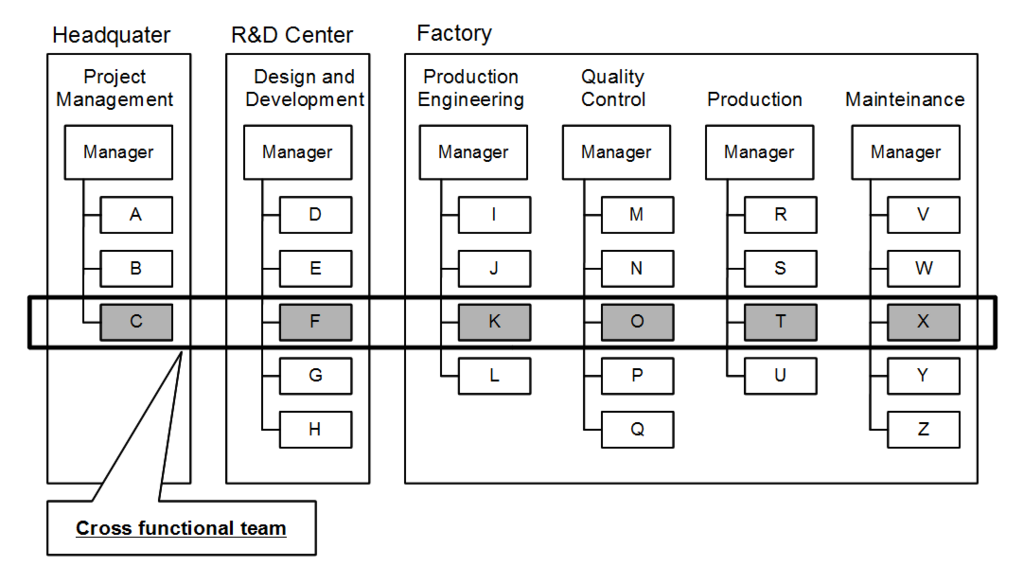
This structure is crucial for bringing together individuals from different departments and locations into a cohesive unit.
Emphasize the need for cross-functional collaboration and develop a communication plan so that each team member understands their role.
Ultimately, multinational coordination isn’t just about managing logistics. It’s about building a unified team culture that can overcome distance and diversity to achieve great things together.