Multifamily Development and Construction in Portugal
Portuguese Regulatory Framework
The Legal Blueprint
Every construction project in Portugal is governed by a single, comprehensive legal framework: the Regime Jurídico da Urbanização e da Edificação (RJUE). Think of it as the national rulebook for urban planning and building. It sets the standards for everything from large-scale urban development down to minor home renovations.
The RJUE aims to simplify and standardize the procedures for obtaining construction permits across the country. It establishes the key processes, deadlines, and responsibilities for both developers and municipal authorities (the Câmara Municipal).
The Master Plan
Before you can even think about architectural drawings, you must consult the local Plano Diretor Municipal, or PDM a for short. Each municipality has its own PDM, which acts as the master zoning plan for all land within its jurisdiction. It is the single most important document defining a property's development potential.
The PDM classifies land into different categories—urban, rural, agricultural, protected—and specifies what can be built in each. It dictates critical parameters like the maximum building height, footprint, and total construction area allowed on a given plot. These are often expressed as land use indexes, such as the índice de construção (construction index) or the índice de impermeabilização do solo (soil sealing index), which limit how much of the land can be covered by buildings and pavement.
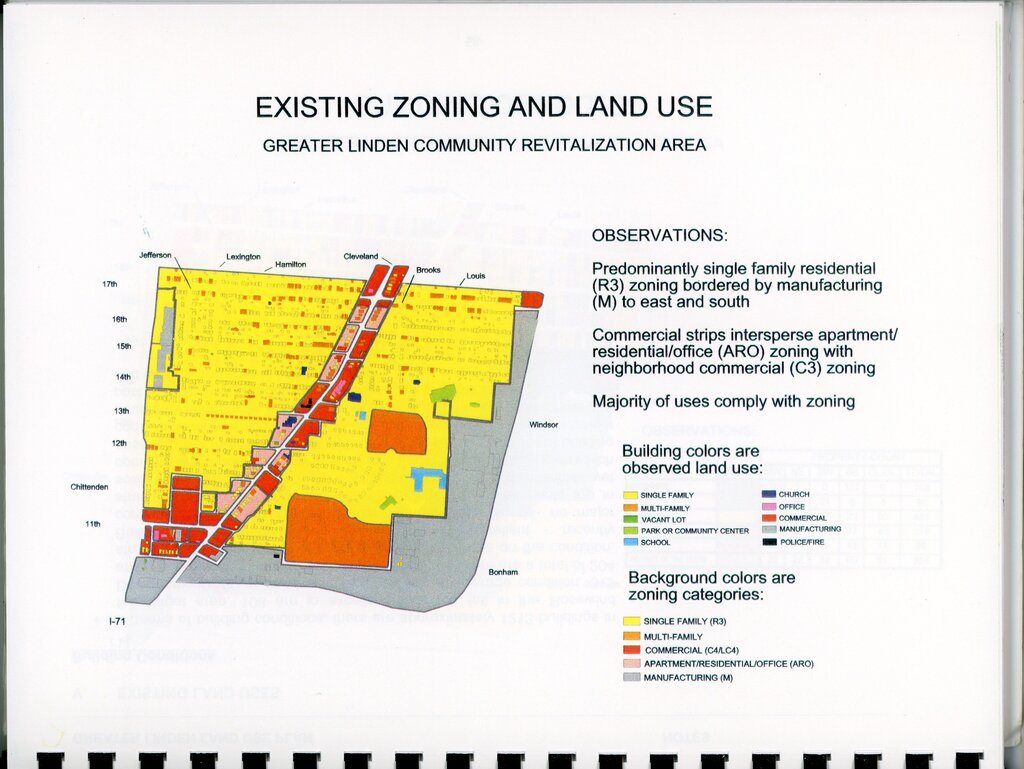
Because the PDM has the force of law, it's non-negotiable. If a plot of land is designated as agricultural, you cannot build a residential complex on it, no matter how good the design is. This makes a thorough PDM analysis the first and most critical step in due diligence.
Getting a Green Light
To get clarity on a specific project before committing to a full design, developers can submit a Pedido de Informação Prévia (PIP). This is a formal inquiry to the municipality about the feasibility of a proposed development on a particular site. You submit a preliminary plan, and the municipality responds with a binding decision on whether the project is viable under the current PDM and other regulations.
A favorable PIP is a huge asset. It provides legal certainty and is valid for one year, during which the relevant municipal rules cannot be changed to the detriment of your project. This protects the developer from sudden zoning changes and gives a solid foundation for seeking financing.
A favorable PIP essentially freezes the rules for your project, creating a safe harbor for development planning.
Once you're ready to proceed, the RJUE outlines two main paths for getting your project approved: Licenciamento (Licensing) and Comunicação Prévia (Prior Notification). The path you take depends entirely on the nature and complexity of your project.
Licensing is the traditional, more rigorous procedure. It's required for new buildings in areas without a detailed development plan (plano de pormenor), major alterations to existing structures, and any work on protected or classified buildings.
In contrast, Prior Notification is a streamlined process. It applies to projects in areas already covered by a detailed plan, certain reconstructions, or minor alterations. Here, the developer's architect takes on the responsibility of certifying that the project fully complies with all applicable laws and plans. They simply notify the municipality and, if no objection is raised within a specific timeframe (usually 20 days), they can proceed.
| Feature | Licenciamento (Licensing) | Comunicação Prévia (Prior Notification) |
|---|---|---|
| Best For | Complex projects, new builds in unplanned areas, protected buildings | Simpler projects, builds in areas with detailed plans |
| Process | Municipality actively reviews and approves plans | Developer's architect certifies compliance and notifies |
| Timeline | Longer, dependent on municipal review cycles | Faster, work can often start after a short waiting period |
| Responsibility | Shared between developer and municipality | Primarily on the developer's architect |
Regardless of the path taken, the goal is to obtain the Alvará de Construção (Construction Permit), which authorizes work to begin. After construction is finished and an inspection confirms it matches the approved plans, the final step is securing the Alvará de Utilização (Use Permit), which certifies the building is fit for its intended purpose (e.g., habitation) and allows it to be legally occupied.
Paying for Progress
Developing land places new demands on public infrastructure like roads, sewage, and public spaces. To offset this impact, municipalities charge urban development fees, known as Taxas de Urbanização (TMU).
The amount is calculated based on a formula set by each municipality, but it's typically tied to the size and type of the new construction. These fees are a significant project cost and must be paid before the construction permit is issued. They directly fund the infrastructure improvements needed to support the new development, ensuring that growth benefits the entire community.
Now let's test your understanding of Portugal's key development frameworks.
What is the primary legal framework that governs all urban planning and building projects in Portugal?
A developer wants to build a new house in an area already covered by a detailed development plan (plano de pormenor). Which approval path is the most appropriate for this project?
Navigating this framework is the core challenge of residential development in Portugal. Understanding the interplay between the national RJUE and the local PDM, and choosing the right approval path, is key to moving a project from concept to reality.