Multi-Antigen Specific T Cells
Introduction to Immunotherapy
What Is Immunotherapy?
Your body has a powerful, built-in defense network: the immune system. It’s constantly on patrol, protecting you from invaders like bacteria and viruses. Immunotherapy is a type of treatment that harnesses this natural power to fight diseases like cancer.
Immunotherapy is a category of cancer treatment that helps these defenses fight cancer.
Unlike chemotherapy, which uses drugs to directly kill fast-growing cells (both cancerous and healthy), immunotherapy works more indirectly. It boosts or modifies your own immune system, helping it recognize and attack cancer cells more effectively. Think of it as training your body's own army to be a better, more precise cancer-fighting force.
Your Body's Natural Defenses
Your immune system is a complex team of cells and organs. A key part of its job is to distinguish between “self” (your own healthy cells) and “non-self” (foreign invaders or abnormal cells). When it spots something that doesn’t belong, it launches an attack to eliminate the threat.
Cancer cells start as normal cells, but they undergo genetic changes that make them grow uncontrollably. In many cases, the immune system recognizes these abnormal cells and destroys them before they can form a tumor. This process is called immunosurveillance.
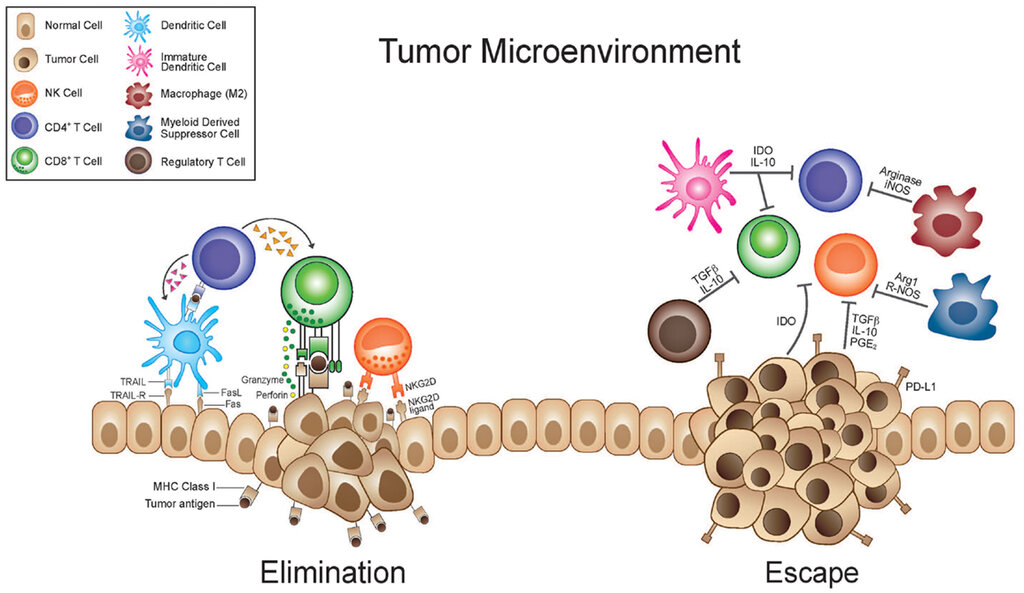
However, some cancer cells develop clever tricks to evade this surveillance. They might disguise themselves to look like normal cells or produce signals that turn off the immune response. When cancer cells successfully hide from or deactivate the immune system, they can multiply and spread.
Types of Immunotherapy
Immunotherapy isn't just one treatment; it's a broad category of therapies that work in different ways to rally the immune system against cancer. Here are a few key approaches.
Monoclonal Antibodies: Marking Cancer for Destruction
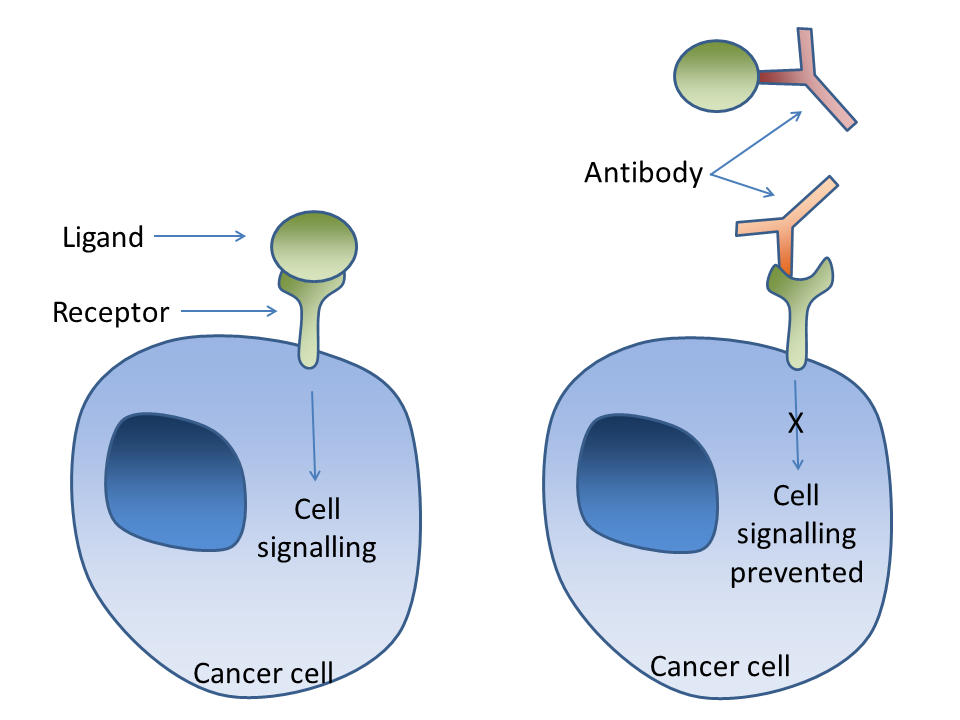
Antibodies are proteins your immune system makes to find and neutralize specific targets. Monoclonal antibodies are lab-engineered versions designed to recognize a specific protein, or antigen, on the surface of cancer cells. Once they attach, they can act like a flag, marking the cancer cell for destruction by other immune cells.
Immune Checkpoint Inhibitors: Releasing the Brakes
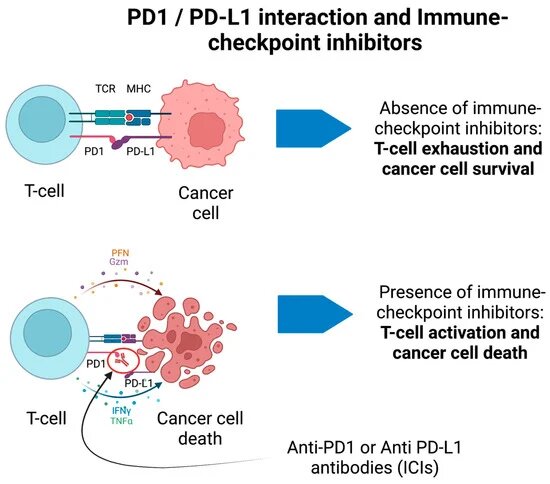
To prevent the immune system from attacking healthy cells, it has natural “brakes” called checkpoints. These are proteins on immune cells that need to be activated (or inactivated) to start an immune response.
Some cancer cells exploit these checkpoints, producing proteins that effectively tell the immune system, “Nothing to see here, move along.” Checkpoint inhibitors are drugs that block these signals. This action releases the brakes on the immune system, allowing it to recognize and attack cancer cells.
Adoptive Cell Therapy: A Living Drug
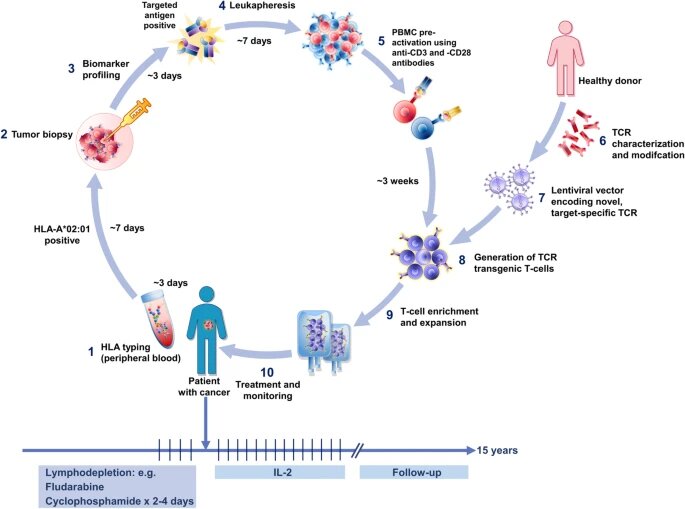
This approach involves taking a patient's own immune cells, usually T-cells, and modifying them in a lab to make them better cancer fighters. These supercharged cells are then grown in large numbers and infused back into the patient.
This technique essentially gives the patient an army of immune cells specifically trained to find and kill their particular cancer. It’s a highly personalized form of treatment sometimes called a “living drug.”
These strategies represent a major shift in cancer treatment, moving from directly targeting the tumor to empowering the body's own defenses. By understanding how the immune system works and how cancer evades it, scientists continue to develop new and more effective immunotherapies.
What is the primary goal of immunotherapy in treating cancer?
Cancer cells can sometimes evade the immune system by producing signals that activate 'checkpoints,' which act as brakes on the immune response.