Multi-Antibody Medicine Development
Introduction to Multi-Antibody Medicines
Beyond a Single Target
For decades, monoclonal antibodies have been a cornerstone of modern medicine. These lab-made proteins are designed to mimic the immune system, targeting a single, specific molecule involved in a disease. Think of them as highly specialized keys designed to fit only one lock. This precision is powerful, but sometimes a disease is more complex than a single lock.
What if you could create a key that opens two or three locks at once? That's the idea behind multi-antibody medicines. These are engineered antibodies that can bind to multiple targets simultaneously. The most common type is the bispecific antibody, which has two different 'arms', each designed to grab onto a different target. Others, called multispecific antibodies, can target even more.
antigen
noun
A substance that prompts the body to produce an immune response, especially the production of antibodies. Antigens are often proteins on the surface of cells, viruses, or bacteria.
This multi-targeting ability unlocks entirely new ways to fight disease. Instead of just blocking a single protein on a cancer cell, a bispecific antibody can act as a bridge. One arm can grab the cancer cell, while the other grabs a powerful immune cell, like a T-cell. By physically connecting them, the antibody forces the T-cell to recognize and destroy the cancer cell, a task it might have otherwise failed to do.
This bridging strategy is particularly revolutionary in cancer treatment, but it's also being applied to complex autoimmune disorders and infectious diseases. For example, some therapies use two antibodies that bind to different spots on a single virus, making it much harder for the virus to escape and mutate.
An Idea Ahead of Its Time
The concept of multi-antibody drugs has been around since the 1960s, but turning the idea into a reality was a major scientific hurdle. Early methods were inefficient, producing a messy mix of antibodies with very low yields of the desired bispecific version. For decades, these challenges kept multi-antibody therapies largely in the realm of research.
Breakthroughs in genetic engineering in the 1990s and 2000s finally cracked the code. Scientists developed clever ways to design and produce pure, stable bispecific antibodies reliably and at scale. This paved the way for the first bispecific antibody to gain regulatory approval in 2009 for treating fluid buildup in the abdomen caused by cancer. Since then, the field has exploded.
Modern Applications
Today, multi-antibody medicines are one of the fastest-growing areas of drug development. In oncology, drugs that connect T-cells to cancer cells, known as Bispecific T-cell Engagers (BiTEs), have shown remarkable success in treating certain blood cancers.
Infectious diseases are another major focus. During the COVID-19 pandemic, antibody cocktails containing two different monoclonal antibodies were used to treat patients. By targeting two different parts of the virus's spike protein, these therapies remained effective even as new variants emerged.
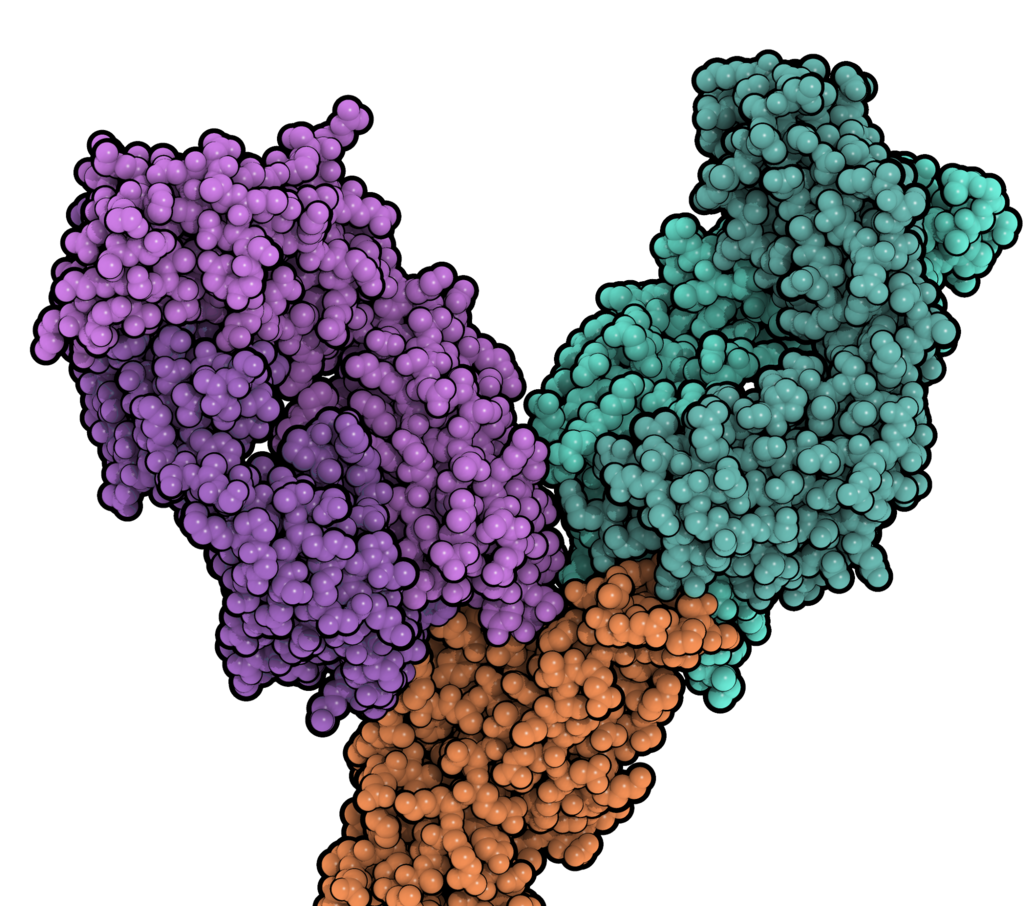
The key advantage over traditional therapies is clear: targeting multiple disease pathways at once can lead to a more powerful and durable effect. It can overcome drug resistance, create entirely new mechanisms of action, and potentially offer new hope for diseases that have been difficult to treat.
What is the primary characteristic that distinguishes a bispecific antibody from a traditional monoclonal antibody?
How do Bispecific T-cell Engagers (BiTEs) utilize a multi-antibody approach to fight cancer?
These sophisticated medicines represent a significant step forward, moving from single-target drugs to more dynamic, multi-pronged attacks on complex diseases.