Mudéjar Interior Design
Introduction to Mudéjar Art
A Style Born of Two Worlds
Imagine a place where two powerful cultures meet, not just on the battlefield, but in the workshop. This is the story of Mudéjar art, a unique style that flourished on the Iberian Peninsula, in modern-day Spain and Portugal, from the 12th to the 17th centuries. It's not purely Christian, and it's not purely Islamic. It's a beautiful, intricate blend of both.
Mudéjar
noun
A term for Muslims who remained in the Iberian Peninsula after the Christian Reconquista but were not converted to Christianity. It also describes the style of art and architecture they created, blending Islamic and Christian traditions.
The name itself comes from the Arabic word mudajjan, meaning "tamed" or "domesticated." It referred to the Muslims who lived under the rule of Christian kings. This was a time of great change and frequent conflict, but also of surprising collaboration.
A Land in Transition
To understand Mudéjar art, you have to understand the historical backdrop. For centuries, much of the Iberian Peninsula was under Muslim rule, a region known as Al-Andalus. Starting in the north, Christian kingdoms began a long process of expanding their territories southward, an era known as the Reconquista (Reconquest).
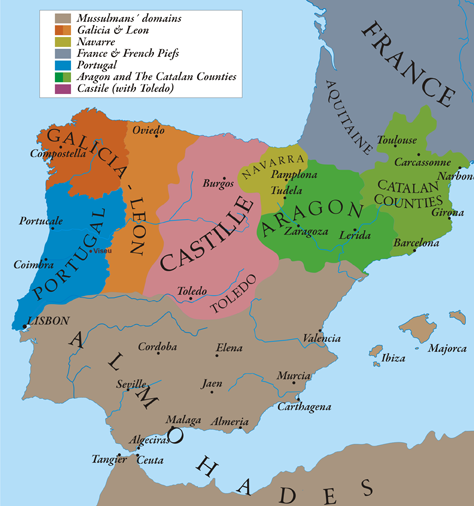
As Christian rulers took over new lands, they didn't expel the entire Muslim population. Instead, many skilled Muslim artisans and builders, the Mudéjars, stayed. These craftsmen were highly valued for their sophisticated techniques. Christian patrons, from kings to bishops, hired them to build and decorate their new churches, synagogues, and palaces.
This created a fascinating exchange. The structures were Christian in function, but the decoration and building methods were deeply rooted in Islamic artistic tradition.
The Art of Fusion
Mudéjar art is defined by this fusion. The artisans used materials that were common and affordable in the region, like brick, plaster, wood, and ceramic tiles. But they used them in ways that were distinctly Islamic in style.
They brought their mastery of complex geometric patterns, intricate tilework (azulejos), elaborate plaster carvings, and stunning wooden ceilings. While Islamic art traditionally avoids depicting human figures, Mudéjar art often incorporates them alongside these abstract designs, adapting to the tastes of their Christian employers. This resulted in a style that was visually rich and completely new.
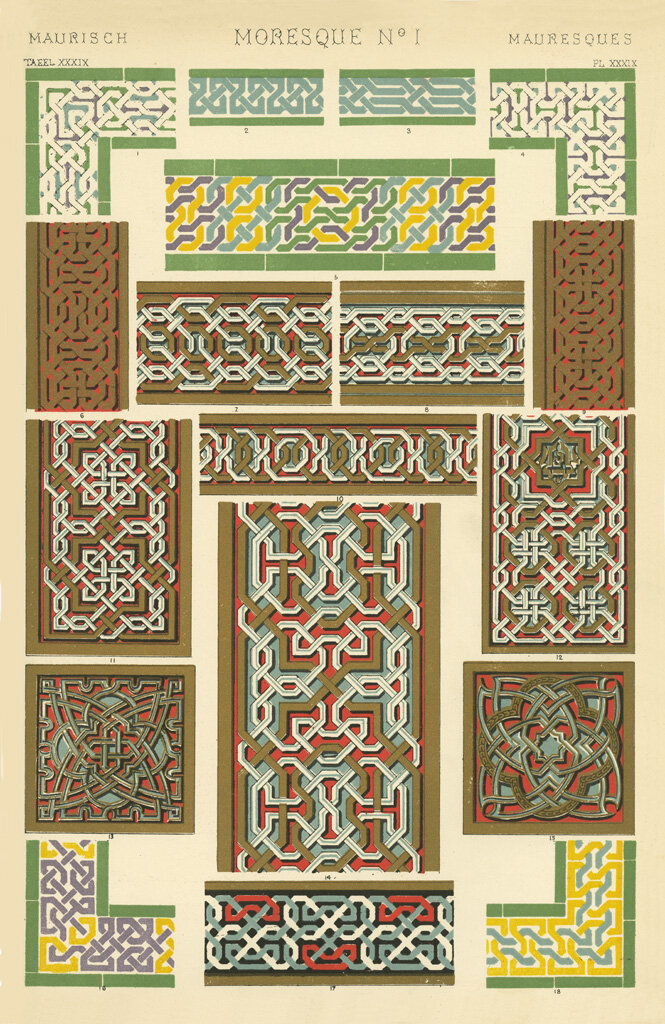
The significance of Mudéjar art lies in its role as a cultural bridge. It's a tangible record of a time when communities of different faiths lived and worked together, influencing each other's worlds. It stands as Spain's most unique contribution to art history, a testament to the complex and creative interactions that shaped the Iberian Peninsula.
Ready to check your understanding?
The term "Mudéjar" originally referred to which group of people on the Iberian Peninsula?
Which of the following is NOT a typical characteristic of Mudéjar art?
This blending of traditions created a style that is both beautiful and historically significant, a true product of its time and place.