Much Ado About Nothing Character Analysis
Introduction to Shakespeare's 'Much Ado About Nothing'
A Merry War
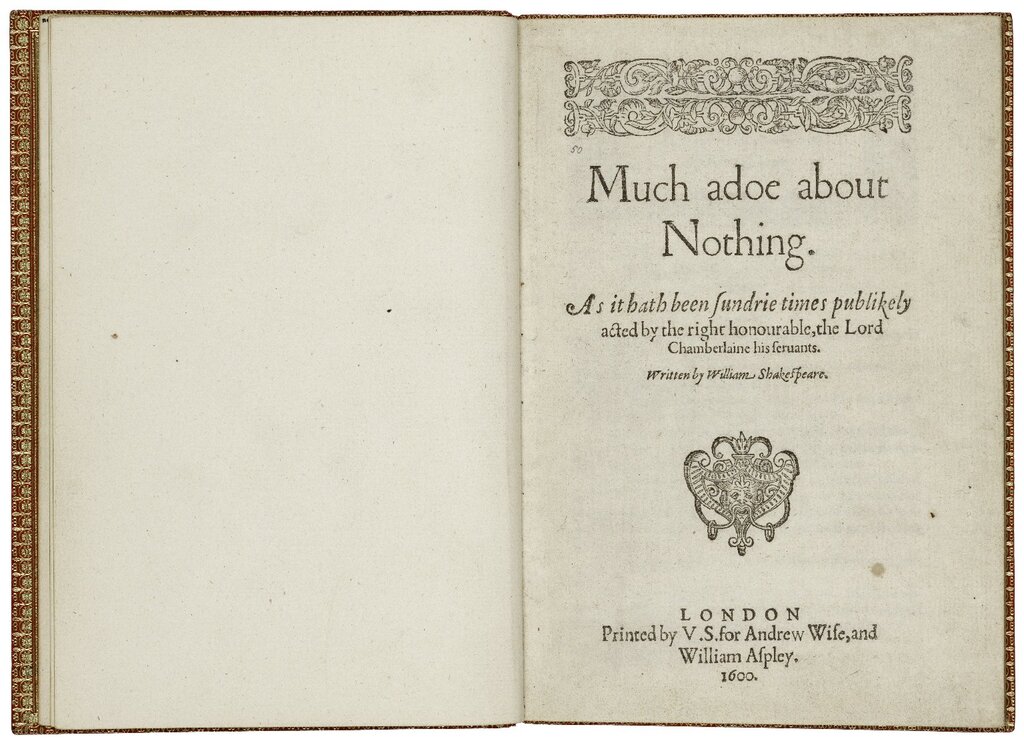
William Shakespeare's Much Ado About Nothing is one of his most beloved comedies for a simple reason: it feels modern. It's packed with sharp, witty dialogue, a hilarious battle of wills between its two leads, and a dark plot of betrayal that gives the story real emotional weight. The play is a brilliant mix of laugh-out-loud moments and serious drama.
The story is set in Messina, a sunny port city in Sicily, Italy. A group of soldiers, led by Don Pedro, Prince of Aragon, arrives to stay at the home of Leonato, the governor of Messina. They are returning from a successful war, and the mood is celebratory. This festive atmosphere, full of masquerade balls and social gatherings, provides the perfect backdrop for romance, gossip, and misunderstanding to flourish.
Two Love Stories
The play masterfully weaves together two very different love stories. The first involves the young soldier Claudio and Leonato's gentle daughter, Hero. Theirs is a conventional romance—love at first sight. Claudio is smitten, Don Pedro helps arrange the match, and a wedding is quickly planned. This straightforward courtship drives the play's main dramatic conflict.
Contrasting this is the far more entertaining relationship between Beatrice, Leonato’s sharp-witted niece, and Benedick, a cynical soldier. They are locked in a “merry war” of insults, both publicly declaring their hatred for love and marriage. Their friends, however, see a perfect match. In a series of cleverly staged scenes, they trick Benedick into believing Beatrice loves him, and Beatrice into believing Benedick loves her.
These two plots don't just run in parallel; they constantly intersect. The lighthearted trick played on Beatrice and Benedick stands in stark contrast to the malicious deception that targets Claudio and Hero.
The central action of the play depends on characters deliberately deceiving one another.
Deception, Honor, and Gender
The play's title is a pun. In Shakespeare's time, "nothing" was pronounced much like "noting," which meant observing, eavesdropping, or writing something down. The story is full of characters "noting" things, often incorrectly. This theme of deception and misinterpretation is central to the action.
Some deceptions are harmless, like the plot to make Beatrice and Benedick fall in love. But others are cruel. The villainous Don John, Don Pedro's illegitimate brother, schemes to ruin Hero's wedding by making it seem as though she has been unfaithful. He stages a scene that Claudio and Don Pedro witness, leading them to a false conclusion.
This brings up the theme of honor. In Elizabethan society, a woman's honor was tied entirely to her chastity. Don John's lie doesn't just hurt Hero's feelings; it destroys her public reputation, shaming her and her entire family. At the altar, Claudio publicly denounces her, and the consequences are devastating. The play explores how fragile reputation can be, and how society places different expectations on men and women. Men gained honor on the battlefield, while women had to guard their virtue above all else.
Beatrice stands out as a character who challenges these gender roles. She is outspoken, independent, and unwilling to be silenced—a stark contrast to her cousin Hero, who is initially presented as the ideal, quiet woman.
| Deception Type | Target | Goal |
|---|---|---|
| Benevolent | Beatrice & Benedick | To make them fall in love. |
| Malevolent | Claudio & Hero | To ruin their marriage and Hero's honor. |
Written around 1598, Much Ado About Nothing follows the classic structure of a Shakespearean comedy by ending with multiple marriages, which symbolize the restoration of social harmony. But the journey to that happy ending is filled with near-tragedy, forcing the characters and the audience to confront darker aspects of human nature like jealousy, pride, and cruelty.