MSCHE Accreditation Standards Explained
Introduction to Accreditation
What is Accreditation?
Think of accreditation as a seal of approval for a college or university. It’s a formal, independent review of an educational program or institution to ensure it meets accepted standards of quality and integrity. This isn't just about having nice buildings or a winning football team. It's a deep dive into everything from the curriculum and faculty qualifications to student support services and financial stability.
The main goal is quality assurance. Accrediting agencies act as external monitors, confirming that the education you receive is sound and that the institution is accountable for its promises to students and the public. This process encourages schools to continuously evaluate and improve themselves.
In short, accreditation verifies that a school is who it says it is and does what it says it does.
Who Does the Accrediting?
Accreditation isn't handled by a single government body. Instead, it's managed by private, non-profit organizations called accrediting agencies. These agencies are recognized by the U.S. Department of Education and the Council for Higher Education Accreditation (CHEA). They fall into two main categories.
Institutional Accreditation
adjective
A comprehensive review of an entire college or university. It signifies that the institution as a whole meets quality standards.
This is the broadest type of accreditation. Agencies that perform institutional accreditation are typically organized by region, which is why you might hear terms like "regionally accredited." They look at the big picture: mission, governance, student outcomes, and academic integrity across the whole school.
Programmatic Accreditation
adjective
A targeted review of a specific school, department, or degree program within an institution. Also known as specialized accreditation.
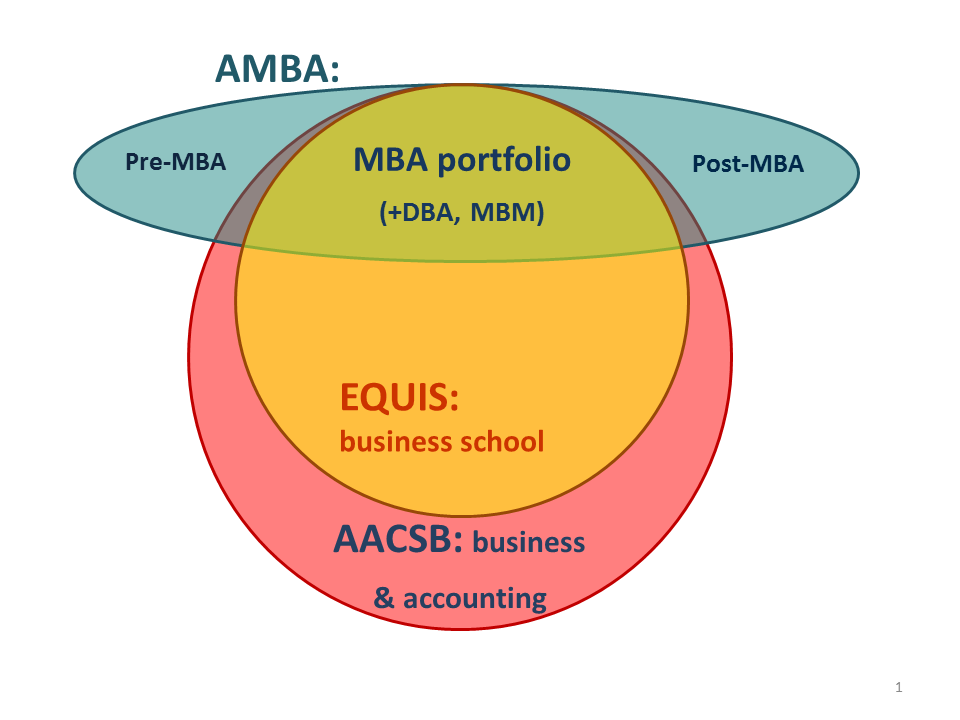
This type focuses on a single field of study. It's especially common in professional fields where graduates must meet specific standards to work. For example, law schools are accredited by the American Bar Association (ABA), and engineering programs are often accredited by ABET. A university can have institutional accreditation while also holding separate programmatic accreditations for its business, nursing, and education schools.
Why Accreditation Matters
Accreditation might seem like a bureaucratic detail, but it has real-world consequences for students. Attending an accredited institution is often a non-negotiable requirement for several key aspects of your academic and professional life.
Accreditation is an essential aspect to consider when selecting a teaching degree program.
Here’s why you should pay attention to it:
- Transferring Credits: If you want to transfer from one college to another, the new school will almost certainly require your previous institution to be accredited. Without it, you might have to retake courses, wasting time and money.
- Financial Aid Eligibility: To receive federal financial aid—including loans, grants, and work-study programs—you must attend a school accredited by a recognized agency.
- Career and Licensing: Many employers, especially in government and regulated industries, require applicants to have a degree from an accredited institution. Furthermore, most state licensing boards for professions like nursing, psychology, and teaching require that your degree comes from an accredited program.
- Graduate School Admission: If you plan to pursue a master's degree or a doctorate, your undergraduate degree will need to be from an accredited college or university.
For institutions, accreditation is a badge of honor that signals legitimacy and public trust. It allows them to participate in federal programs and gives them a framework for continuous improvement. It’s a vital part of the higher education landscape that protects students and upholds the value of a degree.