mRNA Dynamics and Next Generation Diagnostics
Molecular Stability and Signalling
Blueprint vs. Memo
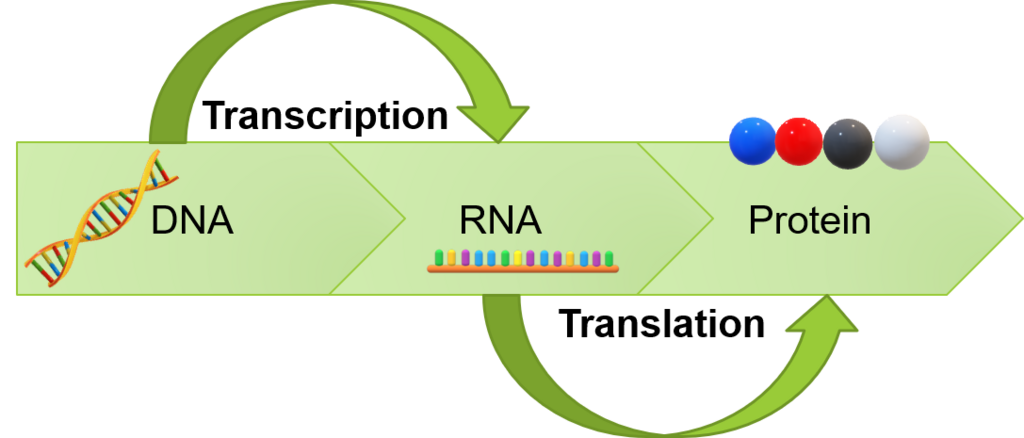
In the library of the cell, DNA is the master reference book. It's a vast, carefully preserved archive containing the instructions for building and operating the entire organism. Because it must last a lifetime, it is built for stability. Messenger RNA (mRNA), on the other hand, is more like a hastily scribbled memo. It copies a specific instruction from the DNA blueprint, delivers it to the factory floor—the ribosome—and is then quickly discarded. This difference in purpose is reflected in their very chemical makeup.
The core distinction lies in their sugar backbones. DNA is built with deoxyribose, while RNA uses ribose. The names give the game away: 'deoxy' means 'missing an oxygen'. This tiny difference has huge consequences. Ribose has a reactive hydroxyl (-OH) group at the 2' position of its sugar ring. Deoxyribose has only a hydrogen atom there. This extra hydroxyl group makes RNA chemically feisty and prone to breaking down, a process called This inherent instability is not a flaw; it's a critical feature for a molecule designed to be a transient signal.
Built for Now, Not Forever
DNA's stability is essential. As the cell's permanent archive, it needs to resist degradation. The double-helix structure protects the genetic code on the inside, and the deoxyribose sugar provides a sturdy, non-reactive backbone.
For mRNA, this durability would be a liability. The cell needs to precisely control protein production. If a signal is no longer needed—say, the cell has finished repairing damage—it must be able to halt the production of the relevant proteins immediately. Because mRNA is so fragile, it has a short half-life, often lasting only minutes in the cytoplasm. This high turnover ensures that the cell's protein landscape can change rapidly in response to new signals. The memo is read, the protein is made, and the memo self-destructs.
Another key difference is in the nitrogenous bases. Both DNA and RNA use adenine (A), guanine (G), and cytosine (C). But where DNA uses thymine (T), RNA uses uracil (U). Thymine is essentially a uracil molecule with an extra methyl group (-CH₃) attached. Producing thymine is more metabolically 'expensive' for the cell. So why bother?
The methyl group acts as a tag that helps DNA repair machinery. A common form of DNA damage is the spontaneous of cytosine, which turns it into uracil. If uracil were a normal part of DNA, repair enzymes wouldn't be able to distinguish between a legitimate uracil and a mutated cytosine. By using thymine instead, any uracil found in DNA is immediately recognised as an error and corrected. Since mRNA is short-lived, this level of fidelity isn't as critical.
| Feature | DNA | mRNA |
|---|---|---|
| Sugar | Deoxyribose | Ribose |
| Bases | A, G, C, Thymine | A, G, C, Uracil |
| Structure | Double helix | Single strand |
| Stability | High (stable) | Low (labile) |
| Primary Role | Long-term storage | Transient signalling |
Flexible Form, Dynamic Function
Finally, structure dictates function. DNA's rigid double helix is perfect for one thing: storing vast amounts of information in a stable, compact form. It's a static library.
Messenger RNA, being single-stranded, is far more flexible. It can fold into complex three-dimensional shapes, loops, and hairpins. This structural dynamism allows it to interact with a wide array of other molecules, most importantly the ribosome, which reads its sequence to build a protein. Its single-stranded nature also makes the genetic code accessible. Unlike DNA, which must be unwound to be read, the bases of an mRNA molecule are exposed and ready for translation. This flexibility is key to its role as an active, mobile messenger, carrying out the specific, time-sensitive orders encoded in the permanent DNA archive.