MPSC Agriculture Exam Mastery
Introduction to Agriculture
What is Agriculture?
At its core, agriculture is the art and science of cultivating the soil, growing crops, and raising livestock. It's about managing the land to produce food, fiber, fuel, and other goods that sustain human life. But it's much more than just planting a seed and waiting for it to grow. It involves a deep understanding of natural cycles, soil health, water resources, and the plants and animals we depend on.
Agriculture
noun
The science, art, or practice of cultivating the soil, producing crops, and raising livestock and in varying degrees the preparation and marketing of the resulting products.
The scope of agriculture is vast. It ranges from a small family garden to massive commercial farms that feed millions. It includes everything from growing grains like wheat and rice, to cultivating fruits and vegetables, raising cattle for meat and milk, managing forests for timber, and even farming fish in controlled environments. It is the foundation of our food systems and a cornerstone of civilization.
A Quick Trip Through Time
For most of human history, our ancestors were hunter-gatherers. They moved constantly, following animal herds and seasonal plants. Life was precarious and dependent on what nature provided day to day.
Everything changed around 10,000 BCE with the Agricultural Revolution. Humans began to domesticate plants and animals. Instead of searching for food, they started to produce it. This shift from a nomadic lifestyle to settled farming allowed people to stay in one place. Communities grew, villages formed, and eventually, cities and civilizations rose. This fundamental change paved the way for social structures, specialized labor, and technological innovation.

Early farmers learned through trial and error, developing techniques to improve soil fertility and manage water with simple irrigation. Over centuries, these practices evolved, leading to more reliable food supplies and supporting growing populations across the globe.
The Branches of Agriculture
Agriculture isn't a single field of study; it's a broad discipline with many specialized branches. Each focuses on a different aspect of production, management, or science. Understanding these branches helps to see how interconnected the world of farming truly is.
| Branch | Focus |
|---|---|
| Agronomy | Field crops like grains, oilseeds, and fiber crops. |
| Horticulture | Fruits, vegetables, flowers, and ornamental plants. |
| Animal Husbandry | Breeding and raising livestock for meat, milk, eggs, or wool. |
| Forestry | Management and cultivation of forests for timber and other products. |
| Fisheries Science | Cultivating fish and other aquatic organisms (aquaculture). |
| Agricultural Engineering | Design and use of machinery, equipment, and structures for farming. |
These fields often overlap. An agronomist studying a new type of corn might work with an agricultural engineer to design a better harvesting machine. A horticulturist might collaborate with a soil scientist to improve fruit yield. Together, these branches form a complete system for producing the world's food and resources.
Farming's Economic Roots
The importance of agriculture to the economy cannot be overstated. It is the primary source of food for the world's population and provides employment for a significant portion of the global workforce, especially in developing nations.
Beyond direct employment on farms, agriculture supports a vast network of related industries. This includes food processing, packaging, transportation, and retail. It also supplies raw materials for other sectors, such as cotton for textiles, sugarcane for biofuels, and wood for construction. A healthy agricultural sector is often the backbone of a strong national economy, contributing to GDP and ensuring food security.
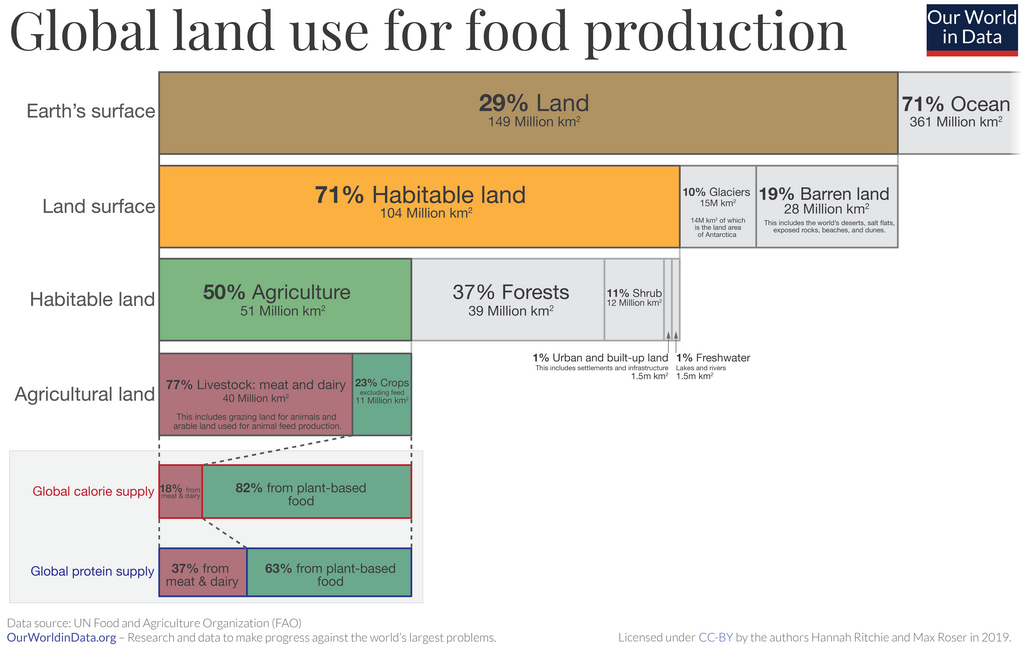
Different approaches to farming, known as farming systems, have developed to suit various environments and economic needs. These systems can be broadly categorized based on their scale, intensity, and purpose.
Subsistence Farming: Farmers grow crops and raise animals primarily to feed their own families. There is little to no surplus for sale. This is common in many parts of the developing world.
Commercial Farming: Production is geared towards selling crops and livestock on the market for profit. These farms are often large-scale and may specialize in a single crop (monoculture).
Extensive Farming: Uses large areas of land with lower inputs of labor, fertilizer, and capital. Yields per acre are lower, but overall production can be high due to the vast scale. Ranching is a good example.
Intensive Farming: Uses smaller plots of land with high inputs of labor, fertilizer, and technology to maximize yield. Market gardening and dairy farming are examples of intensive systems.
These are the fundamental building blocks of agriculture. From its ancient origins to its modern economic impact, understanding these core concepts provides a solid foundation for exploring the complexities of how we feed the world.
Which of the following best defines the core concept of agriculture?
What was the most significant societal change resulting from the Agricultural Revolution around 10,000 BCE?