Movie Directing Essentials
Introduction to Film Directing
The Director's Vision
At the heart of every film is a single guiding force: the director. Think of them as the captain of a ship. They don't hoist the sails or scrub the deck, but they hold the map, set the course, and ensure every crew member works together to reach the destination. The director's primary job is to shape the film's creative vision, translating the words of a script into a living, breathing story on screen.
This vision touches every aspect of the final product, from the color of a character's coat to the timing of a crucial line of dialogue. It's the director who decides the tone of the film. Is it a gritty, realistic drama or a lighthearted, fast-paced comedy? Every choice made on set flows from this central vision.
A director's most important tool is their point of view. They must know the story they want to tell and how they want the audience to feel.
A Team Sport
Filmmaking is not a solo act; it's one of the most collaborative art forms. A director's success depends on their ability to communicate their vision to a team of specialized artists. They work closely with the heads of each department to bring the story to life.
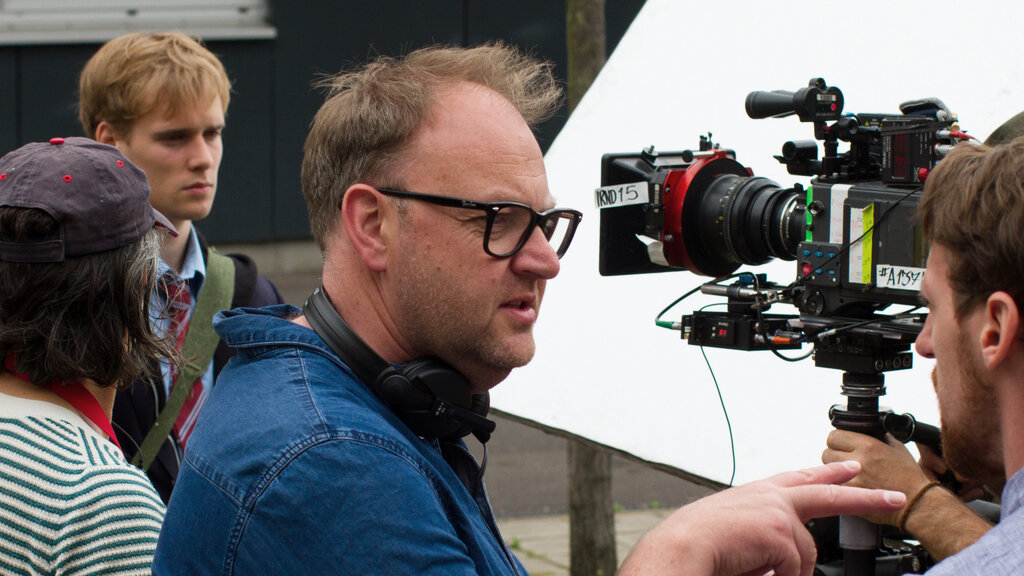
Key collaborators include:
-
The Cinematographer (or Director of Photography): This person is the director's right hand for everything visual. Together, they decide on lighting, camera angles, lens choices, and movement. The cinematographer paints with light and shadow to create the mood and atmosphere the director envisions.
-
The Production Designer: If the cinematographer paints with light, the production designer builds the world. They oversee the creation of sets, the selection of locations, and the choice of props and costumes. The director works with them to ensure the physical environment serves the story and reveals character.
-
The Editor: While much of the editor's work happens after filming, their collaboration with the director is crucial. The director provides the raw material—all the shots and takes—and works with the editor to assemble them into a cohesive narrative. They shape the film's rhythm, pacing, and emotional impact.
Storytelling and Composition
A director is, first and foremost, a storyteller. They must have a deep understanding of the script's characters, themes, and structure. Their job is to interpret the screenplay and decide the most effective way to present its story to an audience. This involves making countless decisions about what the audience sees and when they see it.
This leads to visual composition, the art of arranging elements within the frame. How a shot is composed can communicate power dynamics, a character's emotional state, or important plot details without a single word of dialogue. A low-angle shot can make a character seem powerful and intimidating, while a high-angle shot can make them appear small and vulnerable. A director uses the frame as their canvas.
Directing Actors
Working with actors is one of the most delicate and essential parts of a director's job. It isn't about manipulating actors like puppets. Instead, it's about creating a space of trust where performers can do their best work. A good director helps actors understand their characters' motivations and emotional journeys.
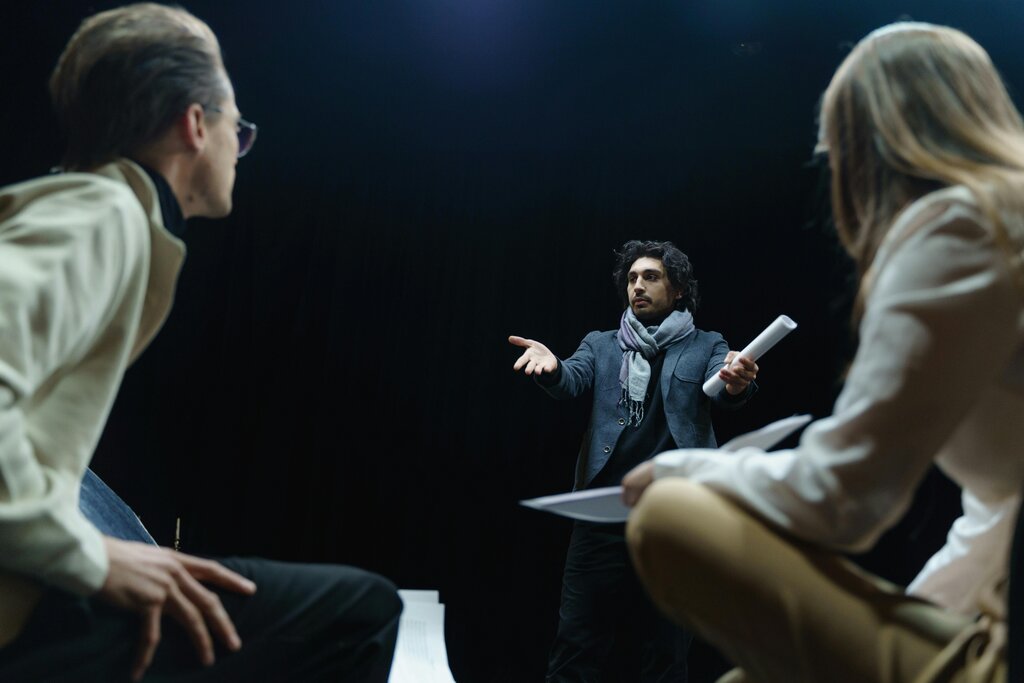
Clear communication is key. The director must be able to articulate their vision for a scene and provide constructive feedback. They might discuss a character's backstory, suggest a different intention for a line, or simply help an actor connect with the emotion of the moment. By guiding performances, the director ensures that all the characters feel authentic and serve the larger story.
Now, let's test your understanding of the director's role.
What is the primary role of a film director?
The director works with the ______ to decide on lighting, camera angles, and the overall visual look of the film.
Mastering these fundamentals is the first step. The director is the ultimate author of the film, weaving together performance, visuals, and sound to create a complete and compelling world.