Mouthwash Explained
Introduction to Mouthwash
What Is Mouthwash?
Brushing and flossing are the cornerstones of good oral hygiene, but there's another player you can add to your team: mouthwash. Simply put, mouthwash is a liquid rinse used to clean your mouth. Its main job is to supplement your daily routine, reaching areas that a toothbrush and floss might miss.
The goal is to improve your overall oral health. By swishing it around, you can help freshen your breath, reduce harmful bacteria, and tackle issues like plaque and gum inflammation.
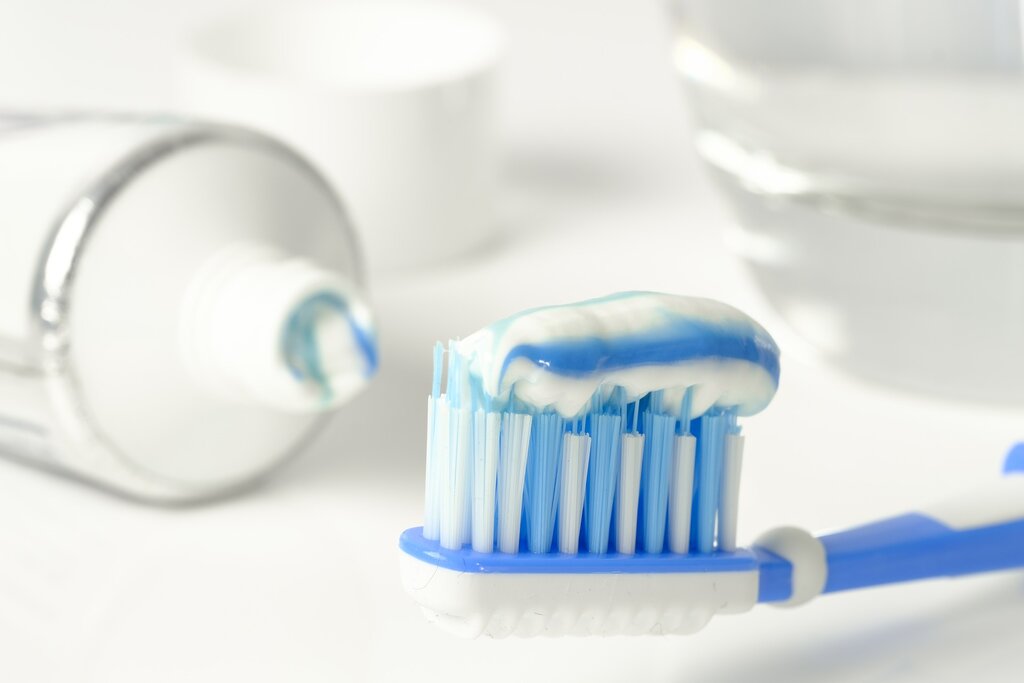
Think of it as a final cleansing step. After you've physically removed food particles and plaque with your brush and floss, a good mouthwash can help eliminate leftover bacteria and leave your mouth feeling fresh.
A Quick Trip Back in Time
Rinsing the mouth for hygiene is not a new idea. The ancient Romans famously used some rather startling ingredients, including urine, believing the ammonia it contained had disinfecting properties. Thankfully, things have improved since then.
In the late 19th century, a product called Listerine was developed. It was originally formulated as a surgical antiseptic to kill germs in operating rooms. It wasn't until the 1920s that it was marketed to the public as a solution for halitosis, or bad breath. This campaign was a huge success and helped turn mouthwash into the common household product it is today.
From a powerful surgical antiseptic to a daily breath freshener, the evolution of mouthwash shows a shift from purely medical use to everyday personal care.
General Benefits of Rinsing
So, why should you consider adding a rinse to your routine? Mouthwash offers several key benefits that go beyond just fresh breath.
- Reduces Plaque: Certain mouthwashes contain ingredients that help inhibit the growth of bacteria that form plaque, that sticky film on your teeth.
- Fights Gingivitis: By killing bacteria along the gumline, antiseptic mouthwashes can help prevent and reduce gingivitis, an early stage of gum disease characterized by red, swollen gums.
- Prevents Cavities: Mouthwashes containing fluoride can help strengthen tooth enamel, making your teeth more resistant to decay.
- Freshens Breath: This is the benefit most people are familiar with. Mouthwash kills the bacteria responsible for causing bad breath, providing a temporary feeling of freshness and cleanliness.
Types of Mouthwash
Not all mouthwashes are created equal. They generally fall into two main categories: cosmetic and therapeutic. It's important to know the difference so you can choose one that meets your specific needs.
Cosmetic mouthwashes are the simplest type. They are primarily designed to mask bad breath and provide a pleasant taste. While they make your mouth feel fresh for a little while, they don't offer any long-term health benefits because they don't contain active ingredients that kill bacteria or strengthen teeth.
Therapeutic mouthwashes, on the other hand, contain active ingredients that are designed to improve your oral health. These are the rinses that can actually help control plaque, reduce gingivitis, or fight cavities. They can be further broken down by their main active ingredient and purpose.
| Type | Primary Goal | Common Active Ingredients |
|---|---|---|
| Antiseptic | Kills bacteria, reduces plaque and gingivitis | Cetylpyridinium chloride, essential oils, chlorhexidine |
| Fluoride | Strengthens enamel and prevents cavities | Sodium fluoride |
| Cosmetic | Temporarily freshens breath | Flavoring agents, astringents |
Choosing the right one depends on what you're trying to achieve. If your main concern is temporary freshness, a cosmetic rinse might be fine. But for tangible health benefits, a therapeutic mouthwash is the way to go.