Mountain Biking Basics
Mountain Biking Basics
The World Beyond the Pavement
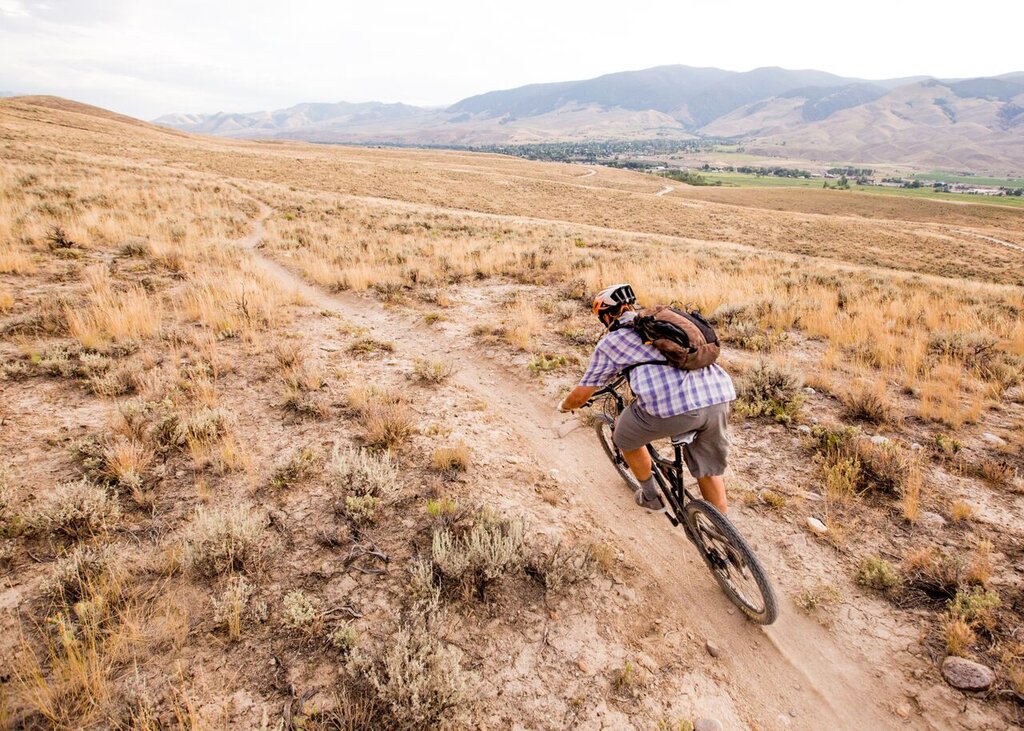
Mountain biking is more than just riding a bike on a dirt path. It's a way to explore forests, deserts, and mountains, challenging yourself physically and mentally along the way. The terrain can range from smooth, flowing singletrack trails to steep, rocky descents filled with roots and obstacles. It's an adventure every time you head out.
Choosing Your Ride
When you start looking at mountain bikes, you'll quickly notice two main categories: hardtail and full suspension. The difference lies in the suspension system, which absorbs impacts from the trail, giving you a smoother ride and better control.
A hardtail has suspension in the front fork but a rigid, non-suspended rear. A full suspension bike has suspension in both the front fork and the rear.
Hardtails are generally lighter, require less maintenance, and are more efficient on climbs. They're a fantastic way to learn fundamental skills because they teach you to be smoother on the trail. Full suspension bikes provide more comfort and control on rough, technical terrain, which can boost confidence and reduce fatigue.
The right choice depends on your budget and the types of trails you plan to ride. Many beginners start with a hardtail and find it's all they ever need.
Essential Gear
Beyond the bike, a few key pieces of gear are crucial for safety and comfort. Don't skip these.
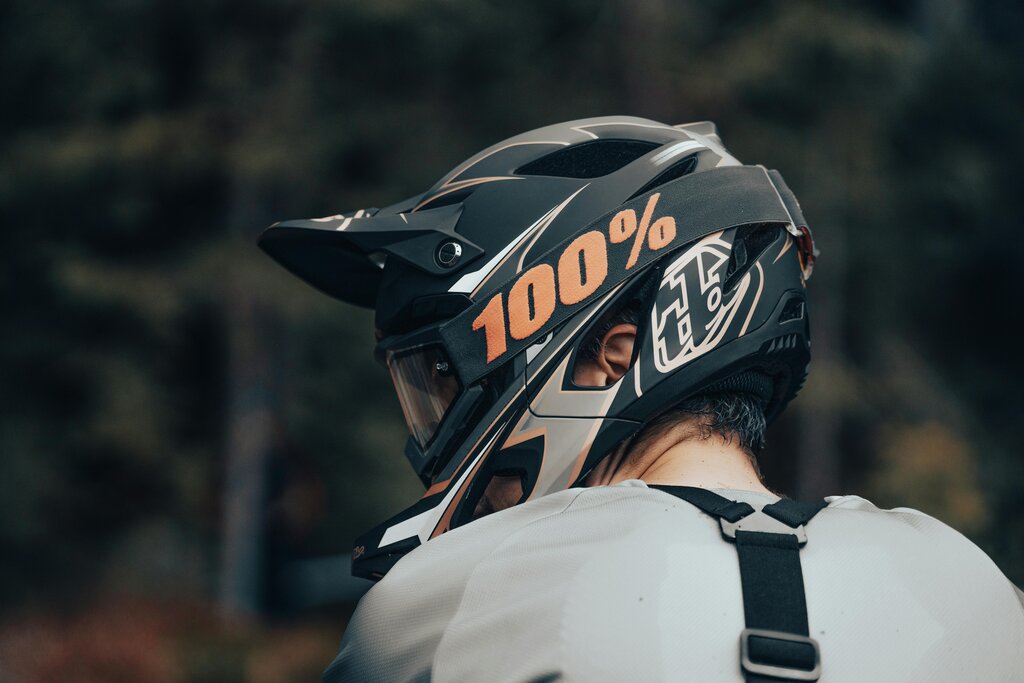
Your helmet is the single most important piece of equipment you'll own. A crash can happen to anyone, at any speed. Mountain bike helmets are designed with more coverage, especially around the back of the head, and often include a visor to block sun and debris.
Next, consider gloves and eye protection. Gloves improve your grip, protect your hands in a fall, and help dampen vibrations from the trail. Glasses, clear or tinted, shield your eyes from dirt, branches, and bugs.
| Gear | Purpose |
|---|---|
| Helmet | Protects your head. Non-negotiable. |
| Gloves | Improves grip and protects hands. |
| Eye Protection | Shields eyes from sun, dust, and branches. |
| Padded Shorts | Increases comfort on the saddle. |
| Moisture-Wicking Shirt | Keeps you dry and comfortable. Avoid cotton. |
Getting the Right Fit
A properly fitted bike is more comfortable, efficient, and easier to control. While a professional bike fit is a great long-term investment, you can start with two basic adjustments: saddle height and lever position.
For saddle height, sit on the bike with your heel on the pedal at its lowest point. Your leg should be almost completely straight. When you move your foot to a normal riding position (ball of the foot on the pedal), you'll have the perfect slight bend in your knee.
Adjust your brake levers so that your wrists are straight when your fingers rest on them. You shouldn't have to reach up or down to grab the brakes. This neutral position reduces strain and gives you better control when you need to stop quickly.
What is the primary difference between a hardtail and a full suspension mountain bike?
Why might a beginner choose a hardtail over a full suspension bike?
With the right bike and gear, you're ready to start exploring the trails.