Motorsport Scandals and Creative Engineering
Weight and Ballast Exploits
The Weight Game
In Formula 1, every gram counts. A lighter car accelerates faster, corners more nimbly, and is gentler on its tyres. The regulations, however, set a minimum weight limit for the car, including the driver. This rule exists to ensure fairness and safety, preventing teams from building dangerously flimsy machines.
Cars are weighed after each race in a process called scrutineering. They are rolled onto a set of scales, and if a car comes in under the minimum weight, it's disqualified. This simple check has led to a long and creative history of teams trying to race underweight but still pass the post-race inspection. The goal is to carry weight that is somehow 'lost' during the race or hidden from the officials.
The strategic advantage is clear: run lighter than your opponents for 99% of the race, then somehow add the weight back just in time for the weigh-in.
Water-Cooled Loopholes
In the early 1980s, one of the first major weight-related controversies involved water-cooled brakes. Teams would fit their cars with large water tanks, claiming the water was essential for cooling the brake systems. Over the course of the race, this water would be sprayed onto the brakes and evaporate, conveniently shedding kilograms of weight.
After the race, just before scrutineering, teams would simply top up the water tanks. They argued that the regulations stated the car should be weighed in the condition it started the race, which included full fluid tanks. This interpretation of the rules allowed them to benefit from a lighter car during the actual competition.
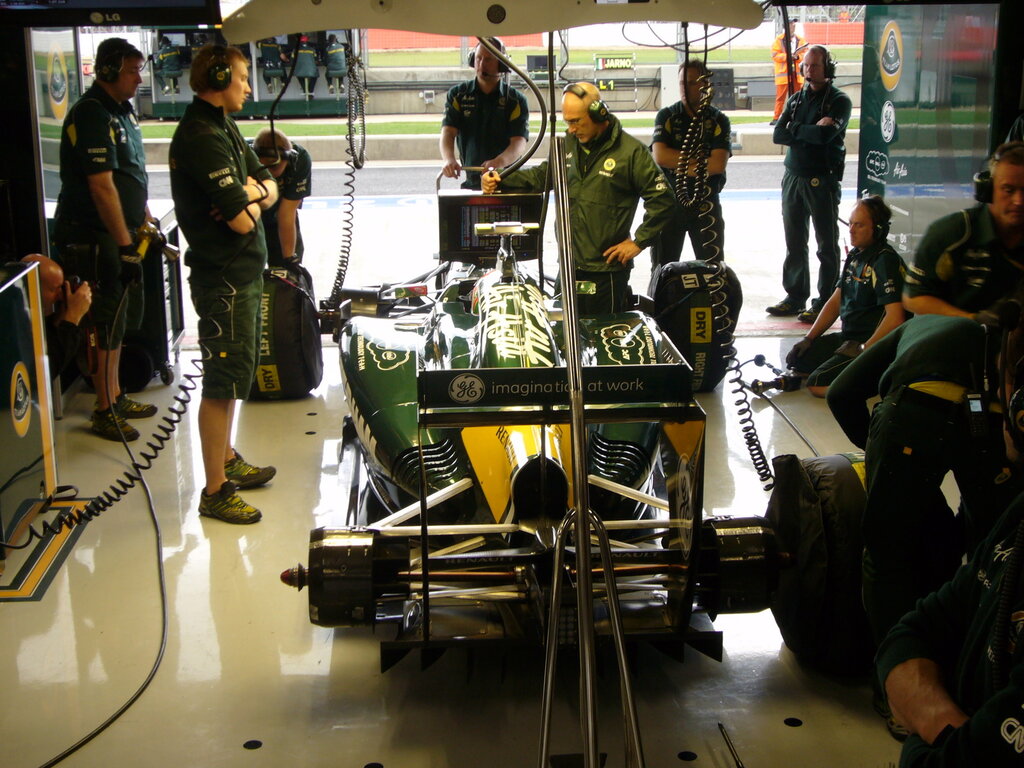
This practice reached its most infamous peak with the Tyrrell team in 1984. They took the water-injection idea a step further. During their final pit stop, not only would they top up the water, but they would also pump a dense slurry of lead shot into the water tank, which was strategically placed high up in the car. This dramatically increased the car's weight, ensuring it easily passed the post-race check.
An investigation discovered the lead shot after analysing the 'water' from the tanks post-race. Officials found that the water was not just for brake cooling but was a clever ballast system. The team was disqualified from the entire 1984 season, a harsh penalty for a blatant attempt to circumvent the spirit and letter of the law.
The Hidden Fuel Tank
Two decades later, another team was caught in a sophisticated weight controversy. In 2005, the BAR Honda team was found to be running a car that could be made illegally light.
Their system involved a secondary, hidden fuel tank. The car had a main fuel cell, but it also had a smaller 'collector tank' built into the structure of the main tank. The rules at the time stated that a car must be weighed with all lubricants and coolants but drained of fuel. The BAR team could drain the main fuel tank, but the collector tank would retain several kilograms of fuel, acting as hidden ballast.
When officials became suspicious, they ordered the team to drain all fuel from the car, including the collector tank. Once this hidden fuel was removed, the car was found to be significantly underweight. The team argued the collector tank was a necessary part of the fuel system, but the race stewards disagreed. They concluded it was a device designed to illegally ballast the car. BAR Honda was banned for two races and disqualified from the San Marino Grand Prix where the infringement was discovered.
These case studies highlight the constant cat-and-mouse game between the rule-makers and the engineers. While the regulations aim for a level playing field, the relentless pursuit of performance drives teams to explore every possible loophole, sometimes pushing them far beyond the boundaries of fair play.
Why do Formula 1 regulations mandate a minimum weight for cars, including the driver?
In the early 1980s, what was the primary purpose of the 'water-cooled brakes' system from the teams' perspective?