Motorcycle Operation Fundamentals
Motorcycle Basics
Know Your Machine
Before you can ride, you need to understand the machine you're working with. A motorcycle isn't just an engine and two wheels; it's a collection of parts that work together, and you're in control of them. Let's start with the basics you'll interact with on every ride.
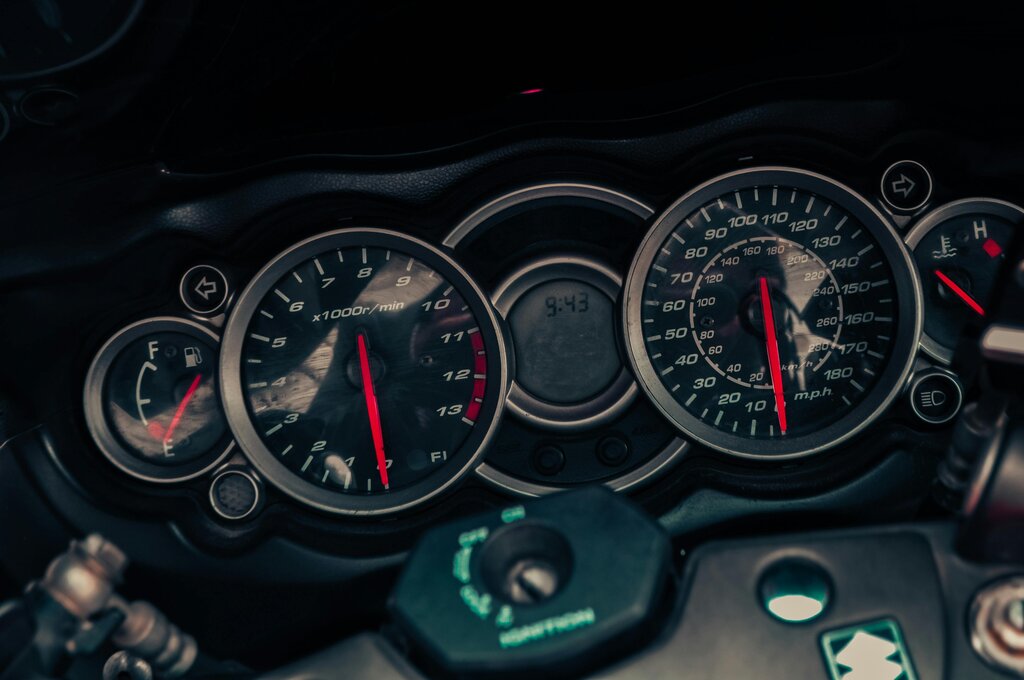
Your main point of contact is the handlebars. On the right grip, you'll find the throttle. Twist it toward you to give the engine gas and accelerate. The front brake lever is also here, right in front of the grip. Squeezing it applies the brake to the front wheel, which provides most of your stopping power.
On the left grip is the clutch lever. Squeezing the clutch disengages the engine from the transmission, allowing you to shift gears. The gear shifter is a pedal by your left foot. Typically, you press down for first gear and lift up for all subsequent gears. Neutral is a half-click between first and second.
Your right foot controls the rear brake pedal. While the front brake does most of the work, the rear brake is important for smooth, controlled stops.
Familiarize yourself with the controls, learn how to accelerate, brake, steer, and shift gears smoothly.
Find Your Style
Motorcycles come in many shapes and sizes, each designed for a different purpose. The right bike for you depends on how you plan to ride. Here are a few common types.
| Type | Best For | Key Features |
|---|---|---|
| Standard | General use, beginners | Upright riding position, simple design. |
| Cruiser | Relaxed, long-distance rides | Low seat, forward foot controls, laid-back posture. |
| Sport Bike | High performance, track riding | Forward-leaning position, powerful engine, aerodynamic body. |
| Touring | Cross-country travel | Large frame, comfortable seating, luggage space. |
| Dual-Sport | On- and off-road riding | Long suspension travel, durable, street-legal. |
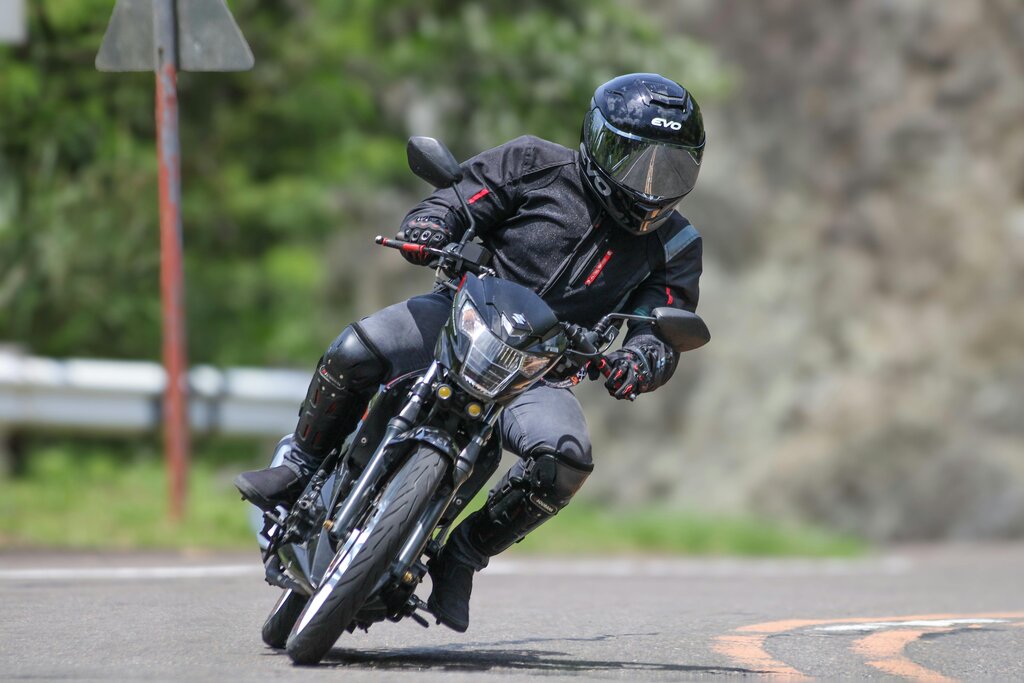
A standard bike, sometimes called a "naked" bike because it lacks extra bodywork, is often a great choice for new riders. Its neutral, upright riding position is comfortable and gives you good visibility. Cruisers are the classic, low-slung bikes you might picture on a long highway journey. They prioritize comfort over raw speed.
Sport bikes are built for performance, with powerful engines and an aggressive, forward-leaning riding posture that helps with aerodynamics. On the opposite end of the spectrum, touring bikes are designed for maximum comfort on long trips, often equipped with large windshields and built-in storage. Finally, dual-sport bikes are versatile machines capable of handling both paved roads and dirt trails.
Dress for the Ride
Riding a motorcycle exposes you to the elements and potential hazards in a way a car doesn't. That's why personal protective equipment, or PPE, is non-negotiable. Proper gear is the only thing between you and the pavement in an accident.
This isn't about looking cool—it's about staying safe. Always dress for the fall, not just the ride.
Here’s what you need:
- Helmet: This is the most critical piece of gear. It protects your brain. Always wear a helmet that is approved by the Department of Transportation (DOT).
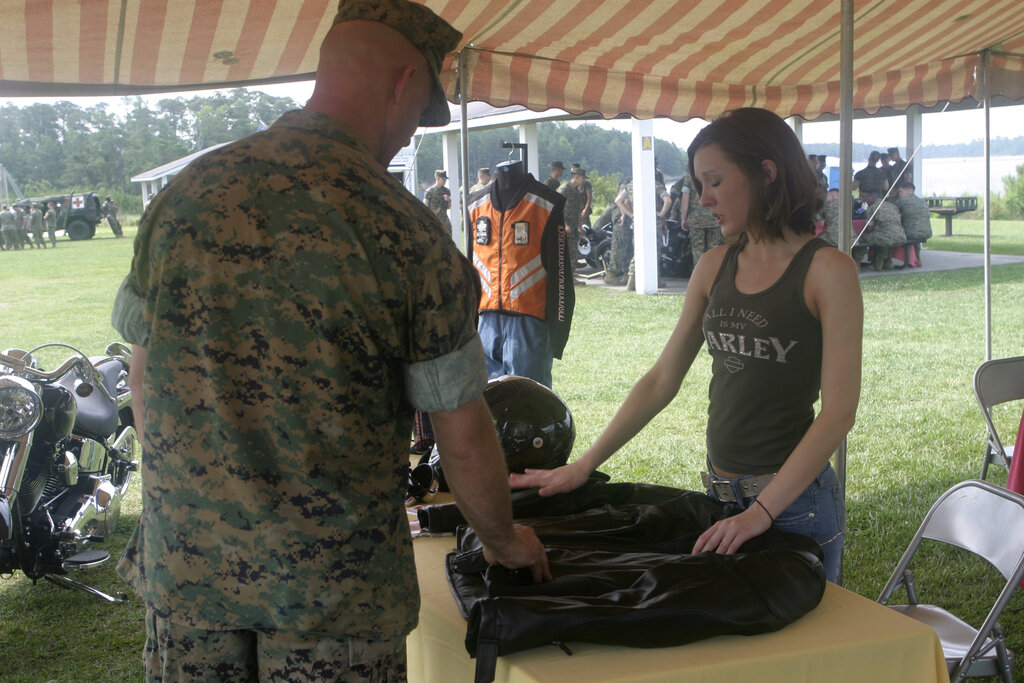
- Jacket & Pants: Look for riding-specific apparel made from leather or durable textiles like Kevlar. They are designed to resist abrasion and often include armor at key impact points like the elbows, shoulders, back, and knees.
- Gloves: In a fall, your hands will likely be the first thing to hit the ground. Riding gloves protect your hands from injury and also improve your grip on the controls.
- Boots: Sturdy, over-the-ankle boots protect you from foot and ankle injuries, provide good grip on the pavement, and shield you from hot engine parts.
Now that you know the essentials, let's see what you've learned.
What is the primary function of the clutch lever, typically found on the left handlebar?
Which type of motorcycle is often recommended for new riders due to its comfortable, upright riding position and lack of extra bodywork?
Understanding your motorcycle's controls, the different types of bikes available, and the importance of proper gear are the first steps on your journey to becoming a safe and confident rider.