Motorcycle Fundamentals and Safety
Motorcycle Components
The Skeleton
Every motorcycle starts with a frame, its skeleton. This rigid structure holds everything together, from the engine to the handlebars. Most frames are made of steel or aluminum, designed to be strong yet lightweight. The frame dictates the bike's geometry, which affects how it handles on the road. Think of it as the foundation of a house. A strong, well-designed foundation leads to a stable and reliable structure.
The chassis includes the frame plus all the parts that attach to it, like the suspension, wheels, and steering components.
The Heart of the Machine
The engine is the motorcycle's power plant. It converts the chemical energy in fuel into the rotational force that turns the wheels. Engines come in various sizes and configurations. You'll hear terms like single-cylinder, V-twin, or inline-four. Each type has a distinct character, affecting power delivery, sound, and vibration.
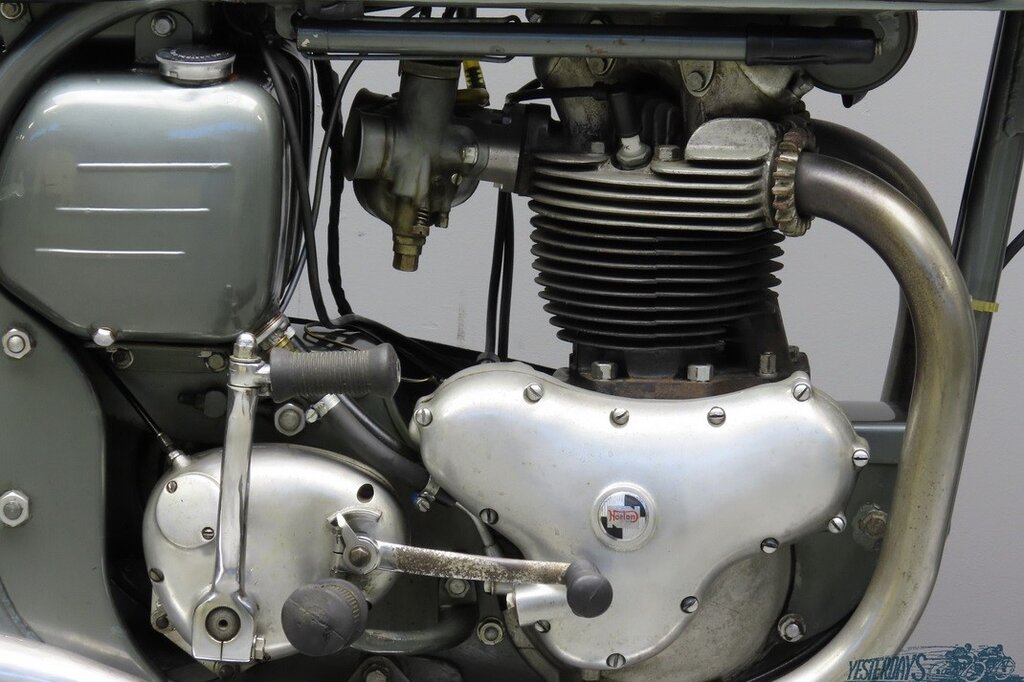
For example, a single-cylinder engine is simple and compact, often found in dirt bikes and smaller street bikes. A V-twin, like those famous in cruisers, provides strong low-end torque. An inline-four, common in sportbikes, revs high and produces a lot of horsepower.
Connected to the engine is the transmission. This system of gears lets the rider manage the engine's power. By shifting gears, you can keep the engine in its optimal power range, whether you're starting from a stop or cruising at highway speed. Most motorcycles use a sequential manual transmission, meaning you shift through the gears one by one, up or down.
Control and Comfort
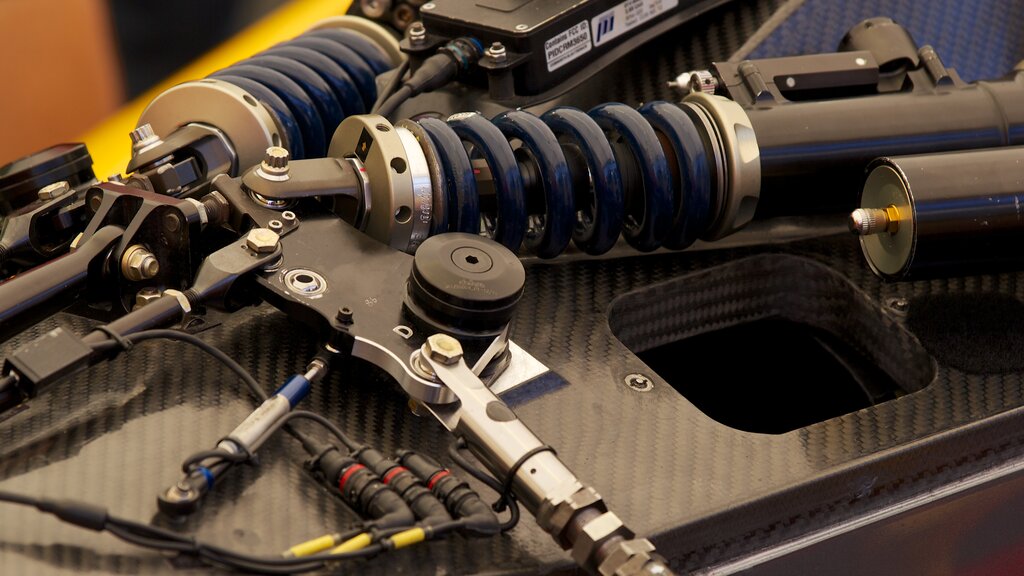
A smooth ride is thanks to the suspension. At the front, you have the fork, which consists of two tubes connecting the front wheel to the frame. Inside these tubes are springs and hydraulic dampers that absorb bumps. The rear suspension typically uses a swingarm with one or two shock absorbers, often called shocks, to do the same for the back wheel. Good suspension keeps the tires in contact with the road, which is crucial for both comfort and control.
Of course, going is only half the equation. You also need to stop. The brake system handles this critical job. Most modern bikes use disc brakes. When you squeeze the brake lever or press the pedal, hydraulic fluid pushes brake pads against a metal disc (or rotor) attached to the wheel. The resulting friction slows the wheel down.
Motorcycles have separate brake controls for the front and rear wheels. The front brake provides the majority of the stopping power.
The wheels and tires are your only connection to the pavement. They support the bike's weight and provide the grip needed to accelerate, turn, and brake. Tire choice is critical and depends on the type of riding you do. A sportbike tire is designed for maximum grip on pavement, while an adventure bike tire has a knobbier tread for traction on dirt and gravel.
Essential Systems
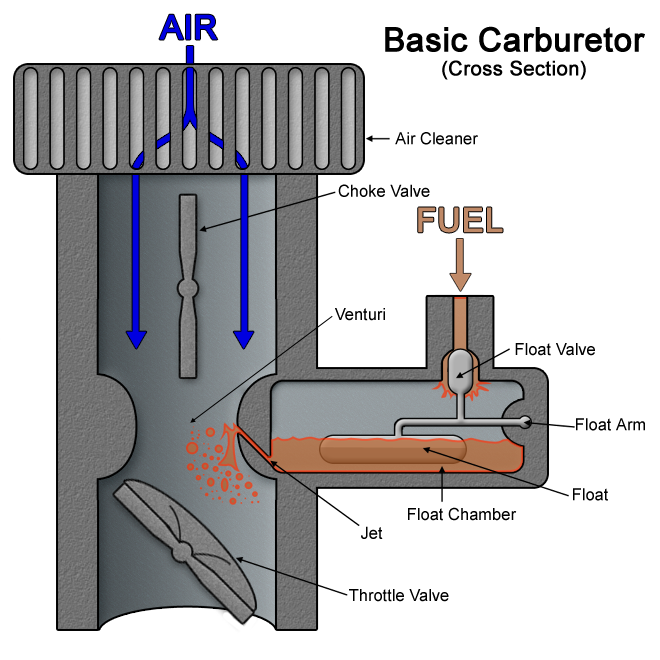
To make power, an engine needs fuel and air. The fuel system stores gasoline in a tank and delivers it to the engine. Older bikes use a carburetor to mix fuel and air, while modern bikes use a more precise electronic fuel injection system. After the fuel is burned, the exhaust system channels the hot gases away from the rider and muffles the engine's sound.
Finally, the electrical system powers the lights, ignition, and other electronics. It's all run by a battery, which is charged by the engine's alternator. This system is the bike's nervous system, handling everything from starting the engine to lighting up the road ahead.
These core components work together in harmony to create the experience of riding a motorcycle. Understanding how each part functions is the first step to becoming a more knowledgeable and confident rider.
Ready to test your knowledge on these components?
What is the primary function of a motorcycle's frame?
Which engine configuration is known for its high-revving nature and is commonly found in sportbikes?