Motorcycle Endorsement Basics
Understanding Motorcycle Licensing
Getting Your Motorcycle License
Riding a motorcycle offers a unique sense of freedom, but it comes with its own set of rules. Unlike driving a car, you can't just hop on a bike with a standard driver's license. You'll need a special motorcycle license or an endorsement added to your existing license. The United States doesn't have a single, national system for this. Instead, each state sets its own requirements.
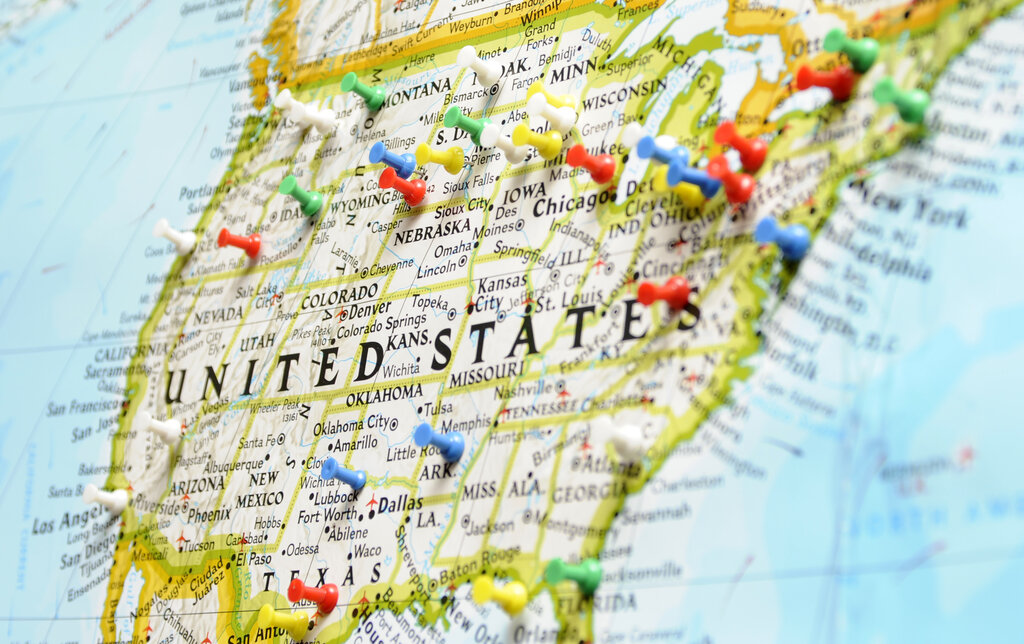
While the details change depending on where you live, the general path to getting licensed is fairly consistent. It usually starts with meeting a minimum age requirement, which can vary. From there, the process typically involves a few key steps.
First, you'll likely need to get a learner's permit. This allows you to practice riding under certain restrictions, like only riding during daylight hours or without passengers.
Next, you'll have to pass a written knowledge test. This exam covers traffic laws, road signs, and motorcycle-specific safety information. Finally, you must pass a practical skills test, often called a road test. This is where you demonstrate your ability to control the motorcycle safely through a series of maneuvers.
Each country, state, or region has different licensing regulations.
Because the rules are state-specific, your first and most important step is to check with your local Department of Motor Vehicles (DMV), or its equivalent. They are the official source for everything you need to know. They'll provide the exact age and documentation requirements, study materials for the written test, and details about what the skills test involves.
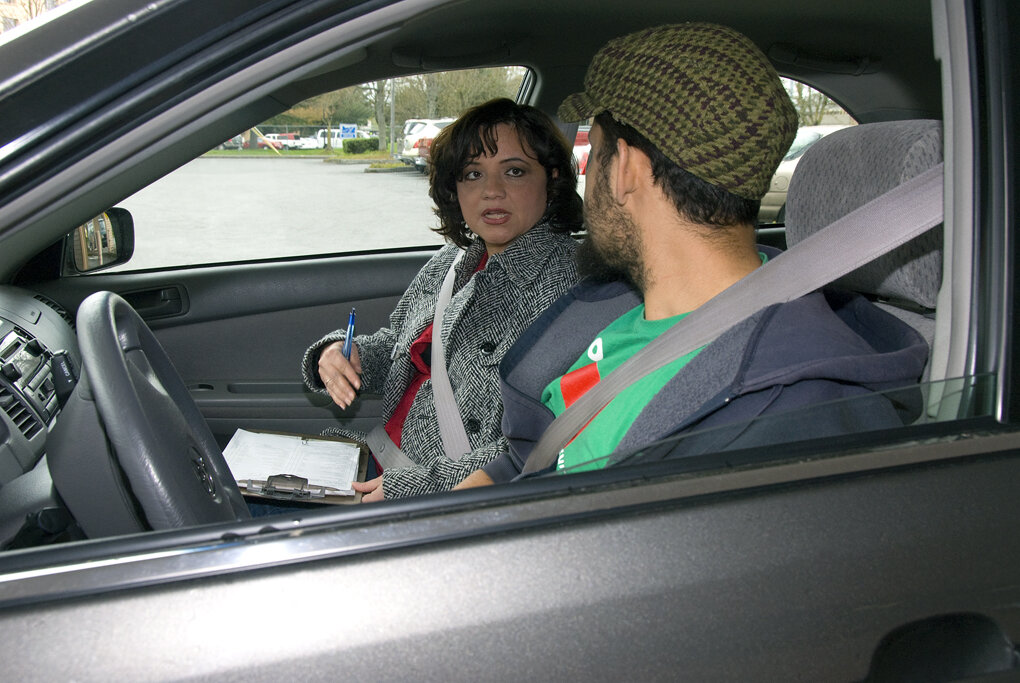
Some states also offer safety courses that can sometimes waive the skills test requirement. Again, this is something your local DMV can clarify. Understanding your state's specific process is the foundation for getting on the road safely and legally.