Motor Learning for Athletes
Introduction to Motor Learning
How We Learn to Move
Think about the first time you tried to ride a bike, shoot a basketball, or swing a golf club. It probably felt awkward and clumsy. Your brain was working overtime, telling your body exactly what to do, yet the movements were jerky and uncoordinated. Fast forward through hours of practice, and that same action feels natural, almost automatic. This journey from clumsy beginner to skilled performer is the essence of motor learning.
Motor Learning
noun
The process of acquiring and refining motor skills through practice and experience, leading to relatively permanent changes in our ability to perform those skills.
In sports, motor learning is everything. It’s how an athlete masters the perfect free throw, the precise tennis serve, or the complex gymnastics routine. Understanding this process allows coaches and athletes to design smarter training that accelerates skill development and leads to better performance on game day.
The Three Stages of Skill
Learning a new physical skill isn't a single event; it's a journey through distinct stages. Each stage has its own challenges and requires a different mental focus.
The stages of motor learning include the cognitive stage (understanding the task), the associative stage (refining the movement pattern), and the autonomous stage (performing the skill automatically with minimal conscious effort)
1. Cognitive Stage: Thinking and Trying This is the very beginning. You’re figuring out what to do. The movement is slow, inefficient, and requires all your concentration. You make a lot of mistakes and have to consciously think through every step. Think of a first-time driver, gripping the steering wheel tightly and carefully processing every action.
2. Associative Stage: Refining and Practicing After some practice, you enter the associative stage. You’ve grasped the basics, and now you're focused on how to do the skill better. Movements become smoother and more reliable. You make fewer big errors and can start to identify your own mistakes. This is the longest stage, where hours of practice are spent refining the technique.
3. Autonomous Stage: Acting and Reacting Finally, you reach the autonomous stage. The skill has become automatic. You can perform it without conscious thought, allowing you to focus on other things, like strategy or reacting to an opponent. An expert basketball player doesn't think about how to dribble; they just do it while scanning the court for an open teammate.
How We Improve
Moving through the stages of learning doesn't happen in a vacuum. Two key ingredients are essential for progress: feedback and the right kind of practice.
Feedback is the information an athlete receives about their performance. It's the compass that points them toward correction and improvement.
Feedback can come from internal sources, like the feel of a perfect golf swing, or external sources, like a coach pointing out a flaw in your form, watching a video replay, or just seeing if the basketball went in the hoop. Without feedback, we're just guessing. We might practice for hours, but we'd be reinforcing the same mistakes over and over.
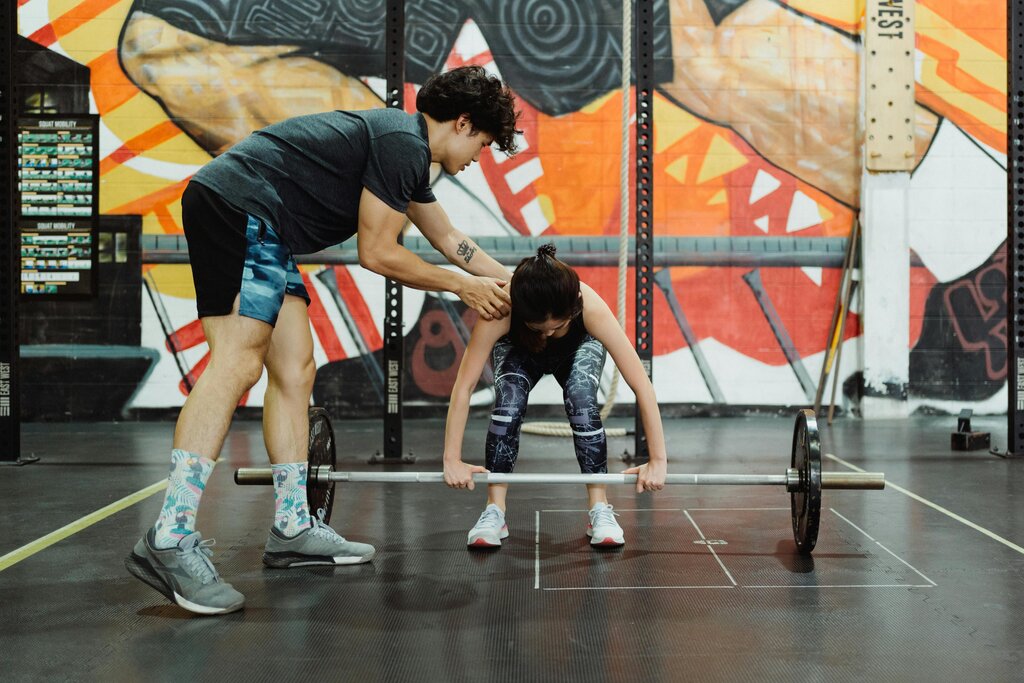
Just as important as feedback is how you practice. Not all repetition is created equal. The structure of a training session can dramatically affect how quickly a skill is learned and how well it holds up under pressure.
| Practice Type | Description | Example |
|---|---|---|
| Blocked | Repeating the same skill over and over without interruption. | A golfer hitting 50 seven-irons in a row at the driving range. |
| Random | Mixing different skills within the same practice session. | A basketball player alternating between free throws, layups, and three-pointers. |
| Variable | Practicing variations of the same skill in different contexts. | A soccer player taking penalty kicks from different angles and distances. |
While blocked practice can feel productive and lead to quick improvements in that single session, research shows that random and variable practice often lead to better long-term retention and performance in actual games. They more closely mimic the unpredictable nature of sports.
Making Skills Stick
The ultimate goal of training is for skills to be useful in a game. This brings up the concept of transfer of learning: how well the skills learned in practice carry over to a new situation, like a competition.
Positive transfer occurs when practicing one skill helps you learn or perform another. For example, learning to throw a baseball might help you learn to throw a javelin.
Coaches aim to create practice environments that have a high degree of transfer to the actual sport. This is why drills that simulate game-like pressure, decisions, and variability are so effective. They build skills that are robust and adaptable, ready to be used when it counts the most.
Ready to check your understanding? Let's see what you've learned.
A tennis player is working on a new type of serve. They understand the basic mechanics but have to concentrate heavily on each part of the motion, and they make frequent, large errors. Which stage of motor learning are they in?
A coach has their basketball players practice by shooting 50 free throws in a row, then doing 50 layups, then running 50 passing drills. This is an example of what kind of practice?
By understanding these core principles—the stages of learning, the role of feedback, and the design of practice—athletes and coaches can work together more effectively to turn effort into expertise.