Motivations for Imperial Expansion 1750-1900
Industrial Resource Demands
The New Industrial Appetite
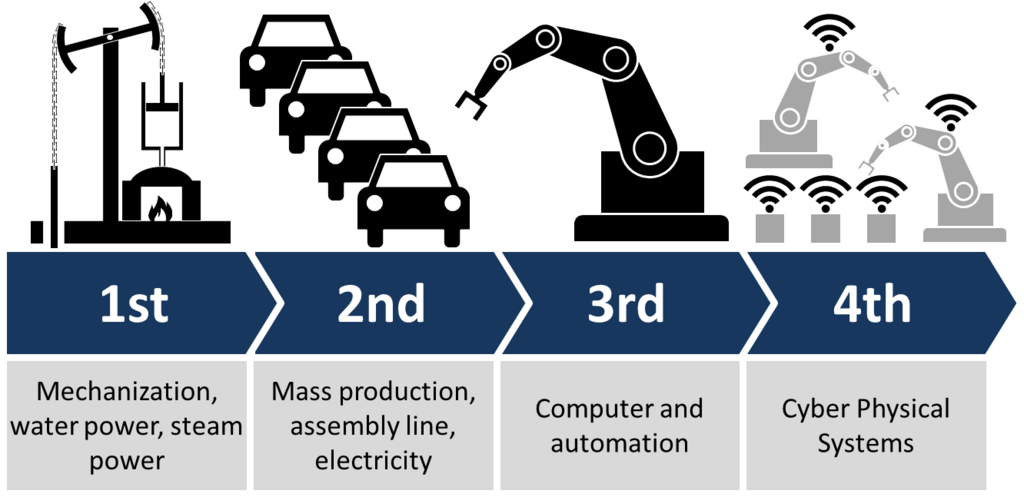
The Second Industrial Revolution wasn't just about bigger factories and faster machines. It was a revolution in materials. While the first wave of industry ran on coal and iron, the second wave demanded a new menu of resources, many of which couldn't be found in Europe. This created a pressing need not just for trade, but for control.
Unlike earlier mercantilism, which chased luxury goods like spices and silks, this new era was about securing industrial inputs. Factories making electrical wires, rubber tires, and canned goods depended on a reliable, cheap supply of raw materials from Africa, Asia, and Latin America. To guarantee that supply, industrial nations shifted from trading with distant partners to directly controlling them. This was the economic engine driving New Imperialism.
Rubber, Wires, and Oil
Few materials show this shift better than rubber. Natural latex from trees was sticky and melted in the heat. But with the invention of vulcanization, rubber became an industrial miracle. It was used for everything from waterproof seals and electrical insulation to machine belts that kept the factories running. The demand was insatiable.
This hunger for rubber led to horrific exploitation in places like the Congo Free State, a private colony of Belgium's King Leopold II. There, local populations were forced into brutal labor to meet rubber quotas. A similar boom occurred in the Amazon basin. For industrial powers, securing rubber sources was a strategic necessity.
The spread of electricity created another critical demand: copper. The telegraph, the telephone, and the electric motor all required vast quantities of copper wire. To feed this need, European and American companies invested heavily in and exerted political control over copper-rich regions like Chile and Central Africa.
Similarly, tin became essential. It was used to create tin cans, a revolutionary technology for preserving food to feed growing urban populations. It was also vital for alloys like bronze and solder, used in machinery. This led imperial powers to dominate tin-producing regions like and Bolivia, ensuring their industrial and consumer economies could continue to grow.
Even the machines themselves needed foreign resources. The high-speed, high-friction machinery of the Second Industrial Revolution required better lubricants than traditional animal fats. Palm oil, extracted from the fruit of West African palm trees, proved to be the perfect solution. European companies established massive plantations, often through coercive means, to secure a steady flow of this essential industrial grease.
Feeding the Industrial Machine
The revolution in industry was mirrored by a revolution in agriculture. As millions of people moved to cities, farms had to produce more food with less labor. The key was fertilizer, and the most potent source came from a surprising place: bird droppings.
For centuries, massive deposits of had accumulated on islands off the coast of Peru. This substance was incredibly rich in nitrogen, phosphorus, and potassium, the essential ingredients for industrial-scale agriculture. The demand from Europe and North America led to a "guano boom" in the mid-19th century. Nations competed for control of these small, valuable islands, demonstrating that even agricultural inputs had become a motive for imperial expansion.
The need for specific raw materials transformed imperialism from a quest for luxury goods into a strategic necessity for industrial survival.
This pattern was clear. Whether it was rubber for tires, copper for wires, or guano for fertilizer, the economies of industrial nations were fundamentally dependent on materials from overseas. Simply trading for these resources was seen as too unreliable. What if a supplier raised prices or a rival power cut off access? The solution was direct political and military control over the territories that produced these vital resources. This logic was the heart of New Imperialism, tying the fate of colonized regions directly to the demands of faraway factories.
Ready to test your understanding of how industrial demands fueled imperial expansion?
What was the primary economic motivation behind New Imperialism during the Second Industrial Revolution?
The invention of the tin can for food preservation and the creation of alloys for machinery drove imperial powers to dominate tin-producing regions such as __________.
The link between industrialization and imperialism was direct and powerful, reshaping the global map in service of the factory.