Mosquitoes The Good The Bad The Biting
Mosquito Biology
The Mosquito's Toolkit
A mosquito's body is a marvel of specialization, divided into three main parts: the head, thorax, and abdomen. Each section is equipped with tools for survival and reproduction.
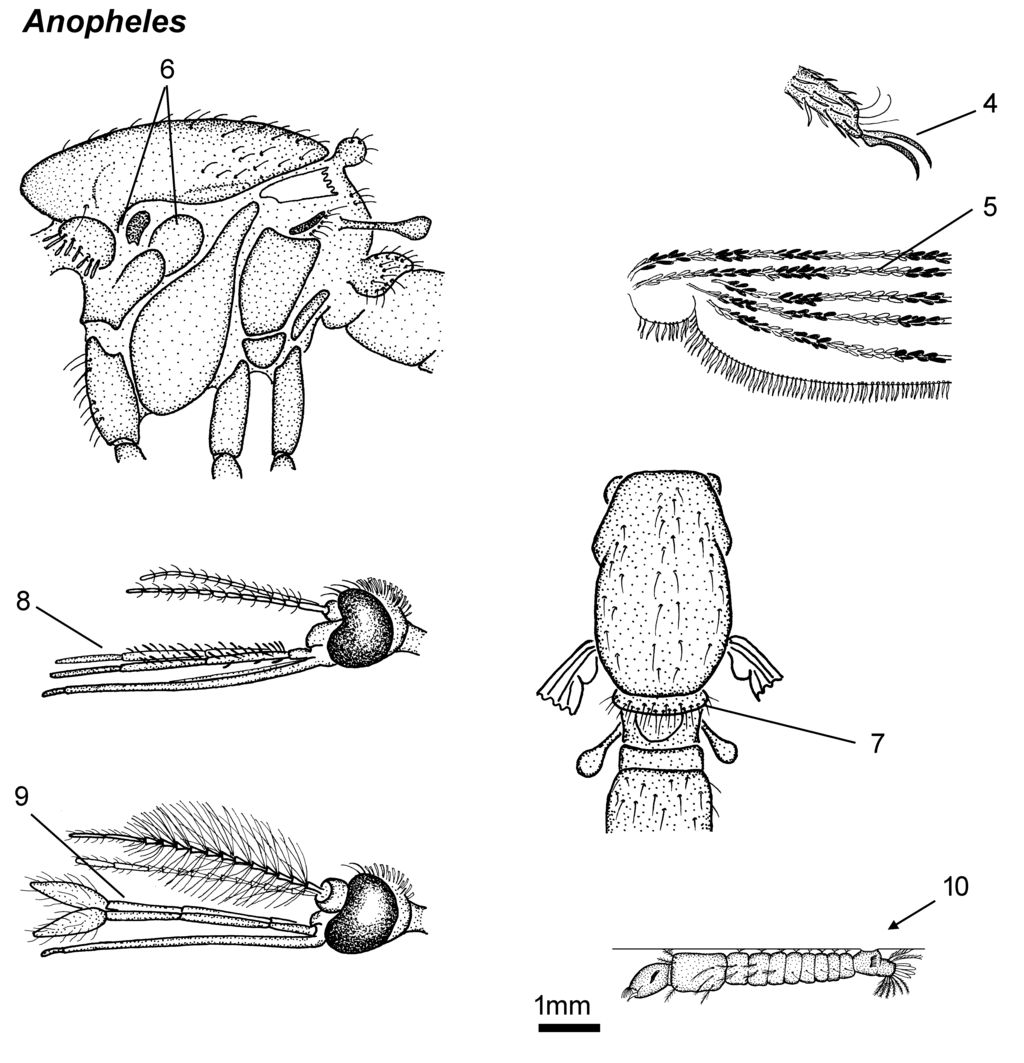
The head is the sensory command center. It features large compound eyes that are excellent at detecting motion, and a pair of antennae that detect chemicals in the air, like the carbon dioxide you exhale. Male mosquitoes have especially feathery antennae, which they use to sense the wing-beat vibrations of potential mates.
Also on the head is the proboscis, the long, needle-like structure used for feeding. It looks like a single spear, but it's actually a complex set of six separate, slender mouthparts wrapped in a protective sheath. Two of these parts have fine teeth to saw through skin, while others pierce the flesh and locate a blood vessel.
The thorax is the powerhouse, where the legs and wings are attached. A mosquito has six long, delicate legs and a single pair of wings. The wings aren't just for flight; they're covered in tiny scales that can create iridescent patterns and are crucial for aerodynamics. The buzzing sound we associate with mosquitoes comes from their wings beating hundreds of times per second.
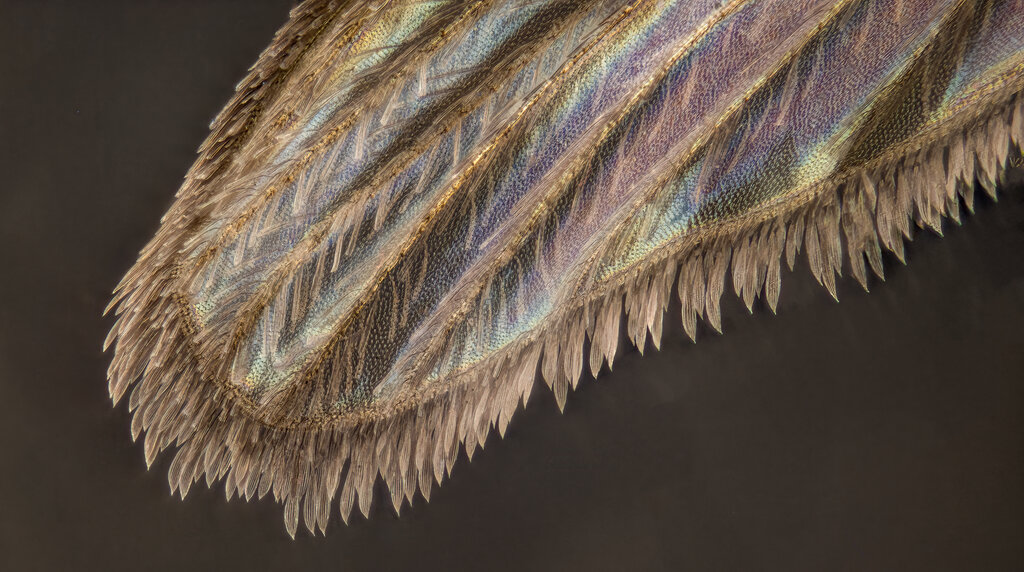
Finally, the abdomen is where digestion and reproduction happen. When a female takes a blood meal, her abdomen stretches dramatically to hold it. This is also where her eggs develop before she lays them.
A Thirst for Blood
Only female mosquitoes bite. Both males and females feed on plant nectar for energy, but females need the protein and iron in blood to produce eggs. Without a blood meal, most cannot reproduce.
When a female mosquito lands on a host, she uses her proboscis to probe the skin for a capillary. Once she finds one, a tube suctions up the blood while another injects saliva. This saliva contains chemicals that prevent blood from clotting and numb the area, allowing her to feed without being immediately noticed. It's the proteins in this saliva that our immune system reacts to, creating the classic itchy, red bump.
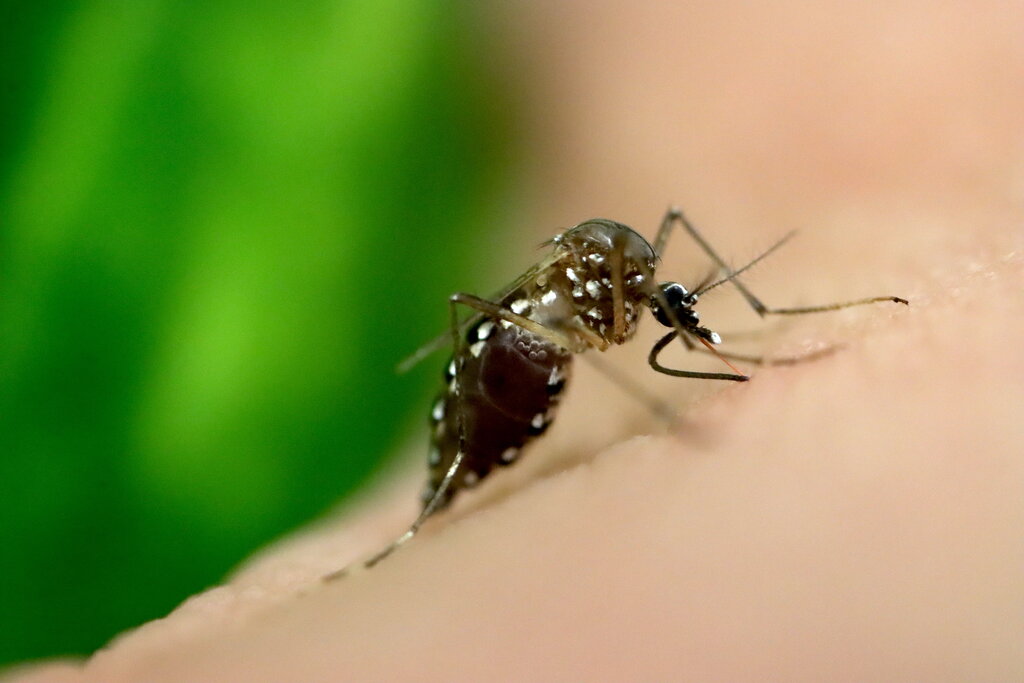
While females are notorious for biting, male mosquitoes are peaceful nectar-feeders that play no role in disease transmission.
Sensing and Reproducing
Mosquitoes use a sophisticated array of senses to navigate their world. To find a blood host, a female mosquito hones in on a cocktail of signals. From a distance, she detects the plume of carbon dioxide we exhale with every breath. As she gets closer, she senses body heat and specific odors on our skin, like lactic acid and ammonia. These cues guide her to a suitable landing spot.
These sensory abilities are also key for reproduction. Male mosquitoes often form large swarms, usually at dusk. When a female flies nearby, the specific frequency of her wing beats alerts the males to her presence. The males' feathery antennae are tuned to pick up these precise vibrations, helping them find and court a mate.
After mating and taking a blood meal, the female's focus shifts to finding the perfect place to lay her eggs. This is not a random process. She uses her sensory organs to find a suitable body of water, guided by factors like moisture, temperature, and chemical cues from the water and surrounding soil. Some species prefer to lay their eggs in rafts on the surface of clean, standing water, while others lay them singly on damp soil at the edge of a pond, waiting for the next rain to hatch.
Now that you've learned about the mosquito's internal and external systems, let's review the key concepts.
Ready to test your knowledge?
What is the primary function of a male mosquito's feathery antennae?
Why do mosquito bites typically become red and itchy?
Understanding a mosquito's anatomy and behavior is the first step in understanding its larger role in the environment and its relationship with humans.